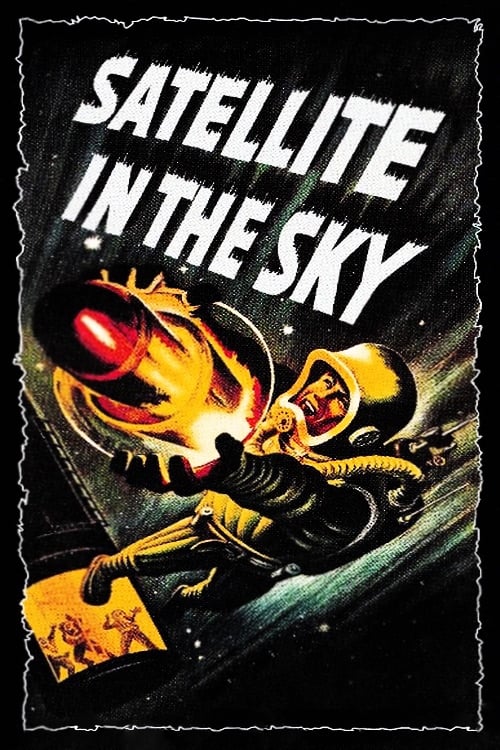
Satellite in the Sky
1956
No user ratings available yet
Representation score: 1.3 out of 10
Representation Score
Limited
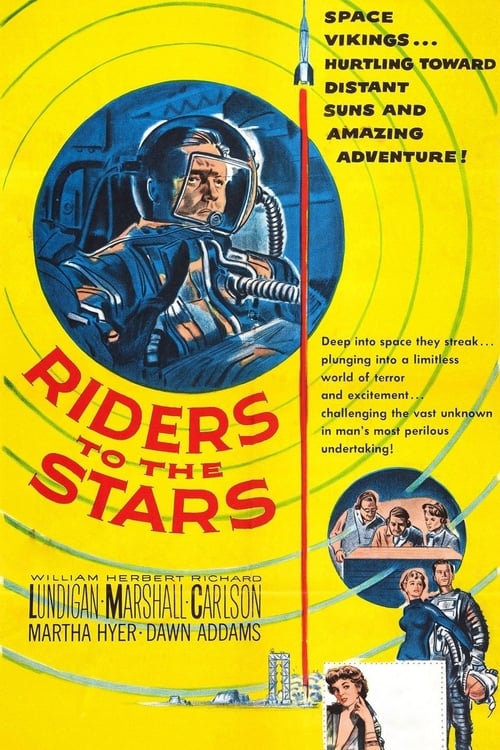
1954
ApprovedDirector
Richard Carlson, Herbert L. Strock
Runtime
81 minutes
Average Rating
No ratings yetNew Showbiz Analysis
Riders to the Stars offers a nuanced look at mid-century gender dynamics by presenting women as capable and goal-oriented individuals in high-stakes technical roles. This challenges the conventional passive portrayal of women during the era. However, the film falls short in terms of racial and cultural diversity. The predominantly white cast and adherence to traditional Western social norms limit its scope. Ultimately, while the film pushes against gendered professional boundaries, it does not engage with the multi-layered complexities or broader systemic critiques found in more contemporary cinema.
Category Breakdown
The film does not include any LGBTQ+ characters or explore non-straight relationships. It adheres closely to the social and cinematic norms of the 1950s.
The story focuses on women who pursue aviation, a field typically dominated by men. It highlights the tension between professional ambitions and the domestic expectations of the time.
The cast is primarily white, reflecting the homogeneous casting practices of 1954 Hollywood. There are no characters of color with significant roles or ability to act.
The film operates within a traditional Western framework, emphasizing personal achievement within existing societal structures without challenging capitalist or religious norms.
There is no indication of the depiction of physical or neurodivergent disabilities in the narrative.
Present on Screen
Limited or Absent
Official Synopsis
Three men gamble their lives in space to change the history of the world
1956
1929

1953
1956
1952

1965
1959

1936
No reviews yet. Be the first to share your thoughts on this movie!
Use the rating form above to leave a star rating and optional review.