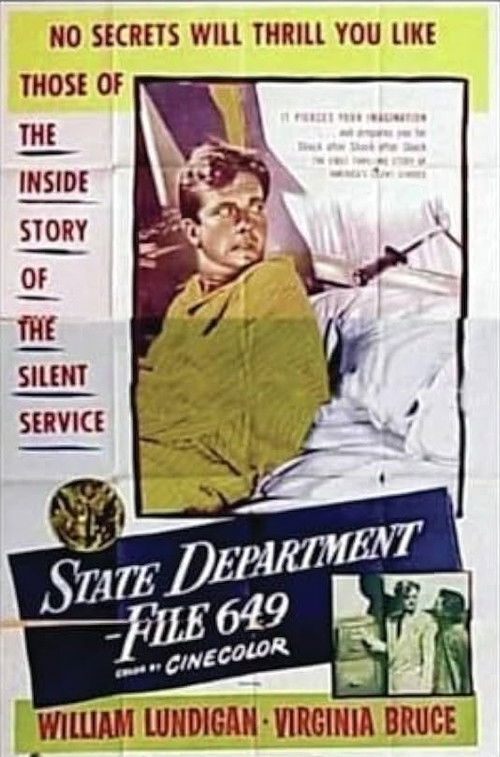
State Department: File 649
1949
No user ratings available yet
Diversity score: 2.7 out of 10

1962
ApprovedDirector
Ronald Neame
Runtime
93 minutes
Average Rating
No ratings yetSynopsis
Yul Brynner plays political leader Sharif who is sprung from a police van on his way to a firing squad by young loyalists led by Sal Mineo. Yul and the other prisoners kidnap an ambulance and head into the Arabian desert with the police in hot pursuit. All the performances are magnificent: Sal Mineo showing his acting talents, Jack Warden in a wiseguy performance as an employee of Zahrain oil who was involved in embezzlement, Anthony Caruso as a slimy psychotic and the underrated Madlyn Rhue as a nurse who becomes emotionally involved in the proceedings.
Overall Score
Limited
Category Breakdown
LGBTQ+ Representation
The film adheres to the heteronormative standards of 1960s adventure cinema. There is no evidence of non-cisnormative gender identities or same-sex intimacy within the narrative.
Gender Representation
Central agency is concentrated in male protagonists like Brynner and Mineo. While a nurse provides emotional involvement, her role remains largely supportive rather than a primary driver of the plot.
Racial & Ethnic Diversity
The story features a non-Western political leader in an Arabian setting. However, the narrative often mirrors colonial-era tropes where outsider perspectives mediate the local environment.
Religious & Cultural Diversity
The film operates within a mid-century Western adventure framework. It focuses on individualist struggle and institutional conflict, such as oil embezzlement, rather than deep cultural exploration.
Disability Representation
There are no visible or invisible disabilities portrayed as central to the character arcs or plot progression.
Strengths
Areas for Improvement
AI Analysis
Escape from Zahrain is a quintessential mid-century adventure drama that prioritizes traditional masculine leadership. While the film provides geographic variety by centering on a non-Western leader, it does not disrupt the prevailing social hierarchies of its era. The narrative follows established genre tropes, focusing on political struggle and survivalist motivations. The power dynamics remain centered on male characters, reflecting the standard distribution of agency in 1960s cinema. Ultimately, the film lacks intersectional complexity. It functions as a traditionalist piece of storytelling that stays within the bounds of conventional cinematic ethics and mid-century studio-era craftsmanship.
1949
1962
1964
1949
1969
1953
1971
1978
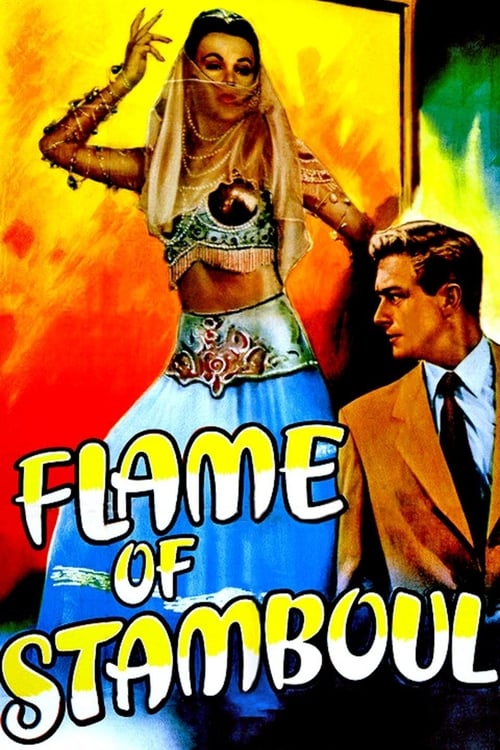
1951
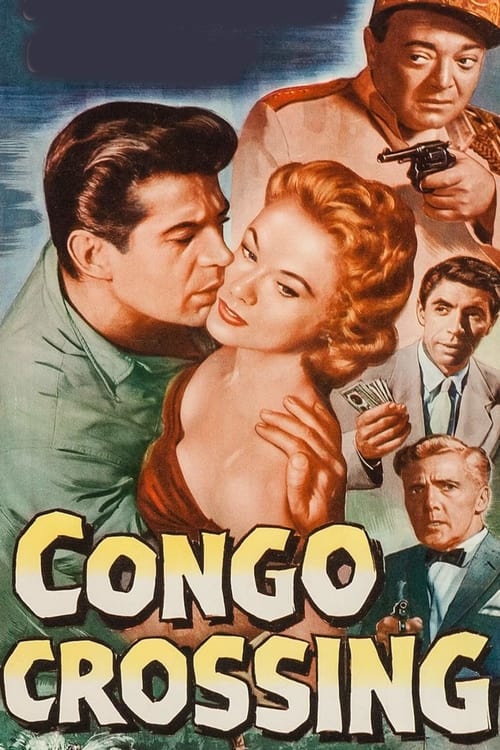
1956
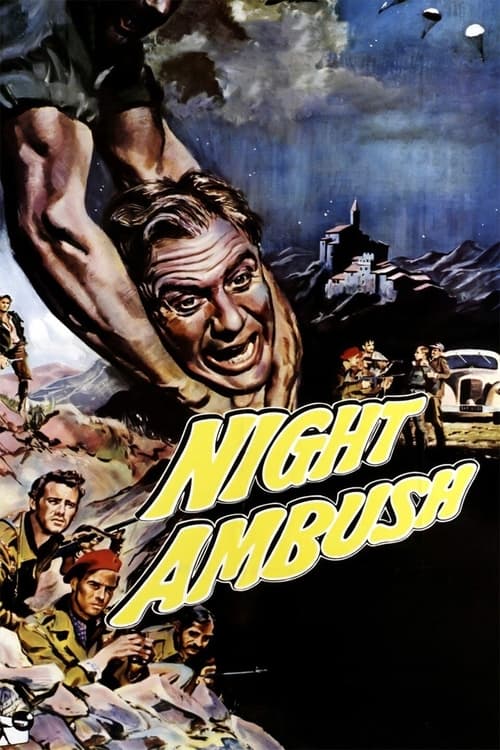
1957
No reviews yet. Be the first to share your thoughts on this movie!
Use the rating form above to leave a star rating and optional review.