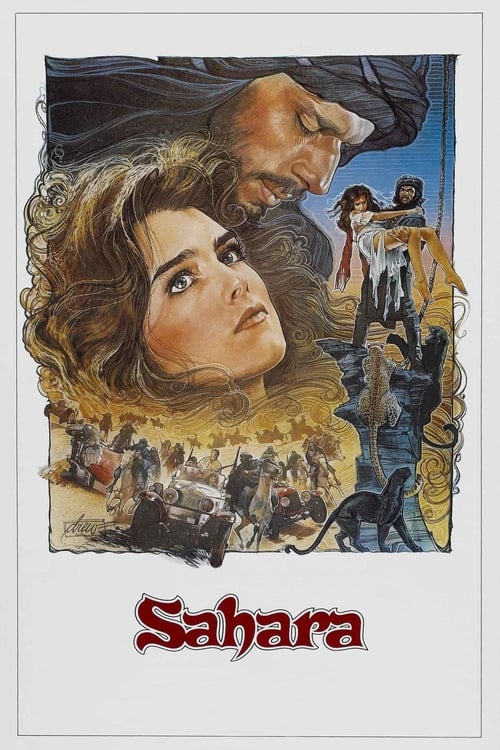
Sahara
1983
No user ratings available yet
Representation score: 0.7 out of 10
Representation Score
Limited
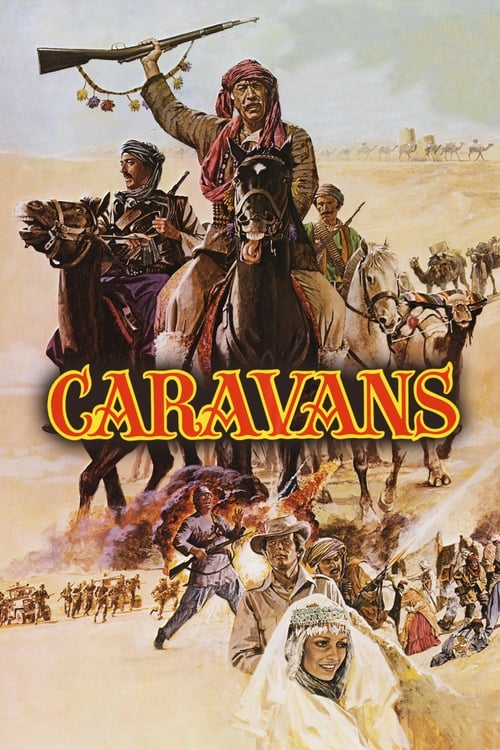
1978
PGDirector
James Fargo
Runtime
127 minutes
Average Rating
No ratings yetNew Showbiz Analysis
Caravans operates as a conventional adventure-drama that emphasizes Western-centric storytelling. While the female protagonist takes control by rejecting traditional roles, the narrative is driven by male-led diplomatic goals. The film uses a Middle-Eastern setting to move beyond purely Anglo-centric environments, but it lacks the depth needed to challenge cultural hierarchies. The tension between Western diplomacy and nomadic life serves primarily as a plot device rather than a critical examination of cultural dynamics. Ultimately, the film adheres to mid-century cinematic structures, offering a moderate cultural presence without significant progressive complexity.
Category Breakdown
The film does not include any LGBTQ+ characters or relationships that go beyond traditional heterosexual ones. The plot centers around typical romantic and dramatic conflicts.
The female lead takes control by choosing a nomadic life over a structured domestic role. However, the story revolves around a male diplomat's mission to find and convince her.
The film sets its scene in a Middle-Eastern context with nomadic tribes, providing a non-Western backdrop. While it moves beyond Anglo-centric settings, the depth of the ensemble remains unclear.
The story explores the tension between Western institutional interests and nomadic lifestyles. It follows a traditional adventure structure where Western characters navigate foreign cultures.
There are no visible or invisible disabilities depicted within the main character arcs.
Present on Screen
Limited or Absent
Official Synopsis
This epic adventure-drama based on James Michener's best-selling novel concerns a young American embassy official who is sent into the Middle-Eastern desert to find the missing daughter of a US Senator. The young woman has left her husband, a Colonel in the Shadom - she was his number two wife - and has opted for the lifestyle of a nomadic tribe. When the diplomat locates the girl he joins the caravan and attempts to persuade the girl to return.
1983

1975

1956
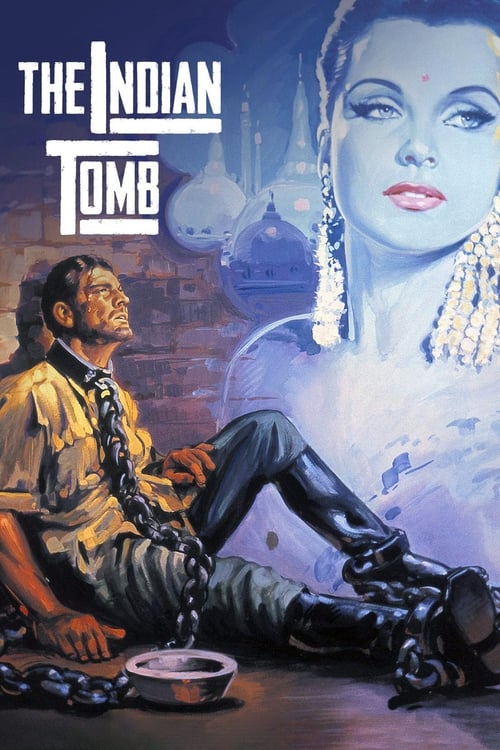
1959

1984

1969

1982

1990
No reviews yet. Be the first to share your thoughts on this movie!
Use the rating form above to leave a star rating and optional review.