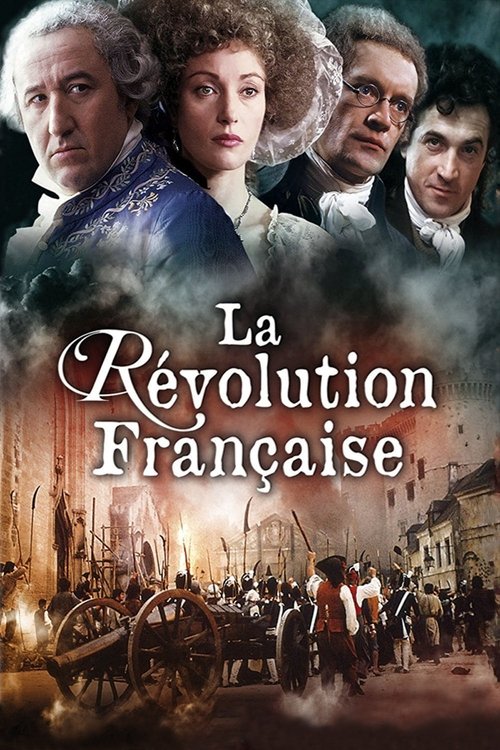
The French Revolution
1989
No user ratings available yet
Diversity score: 3.7 out of 10
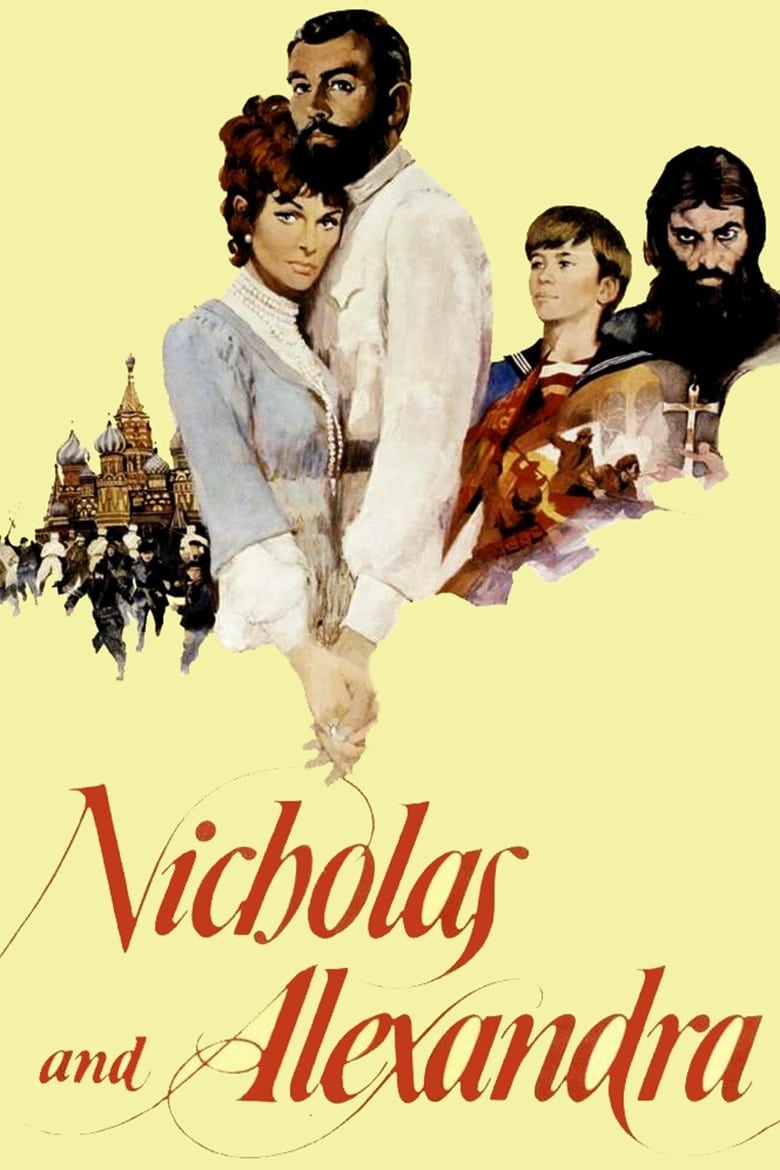
1971
PGDirector
Franklin J. Schaffner
Runtime
189 minutes
Average Rating
No ratings yetSynopsis
Tsar Nicholas II, the inept last monarch of Russia, insensitive to the needs of his people, is overthrown and exiled to Siberia with his family.
Overall Score
Fair
Category Breakdown
LGBTQ+ Representation
The film adheres to a strictly heteronormative structure centered on the imperial marriage. No LGBTQ+ characters or subversions of gender identity appear within this historical framework.
Gender Representation
The narrative disrupts traditional masculine leadership by portraying the Tsar as indecisive. Instead, it emphasizes Empress Alexandra’s disproportionate political influence through her connection to Rasputin.
Racial & Ethnic Diversity
The production focuses almost exclusively on the ethnic Russian aristocracy. While it shows the divide between the ruling class and peasantry, it lacks significant non-Anglo-Saxon diversity.
Religious & Cultural Diversity
The film offers a sophisticated critique of autocracy and the divine right of kings. It depicts the breakdown of religious and institutional sanctity during the Bolshevik revolution.
Disability Representation
Themes of physical and psychological vulnerability appear through the Romanov children's health crises. However, these elements serve as plot drivers rather than providing nuanced depictions of disability.
Strengths
Areas for Improvement
AI Analysis
Nicholas and Alexandra provides a historical examination of the Romanov dynasty's collapse. It succeeds in deconstructing traditional power structures and critiquing the stability of long-standing Western-style institutions through its portrayal of systemic failure. However, the film remains limited by its historical homogeneity. The focus on the Russian aristocracy results in a lack of racial and ethnic diversity, and the narrative lacks any LGBTQ+ representation. While the film explores vulnerability through the imperial family's health crises, these moments function more as political catalysts than meaningful explorations of disability or neurodivergence.
1989
1937
1955
2008
1973
1966
No reviews yet. Be the first to share your thoughts on this movie!
Use the rating form above to leave a star rating and optional review.