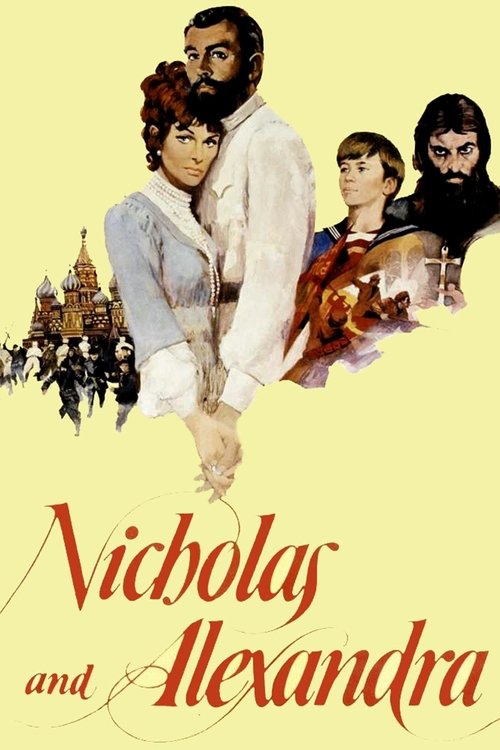
Nicholas and Alexandra
1971
No user ratings available yet
Diversity score: 5.1 out of 10
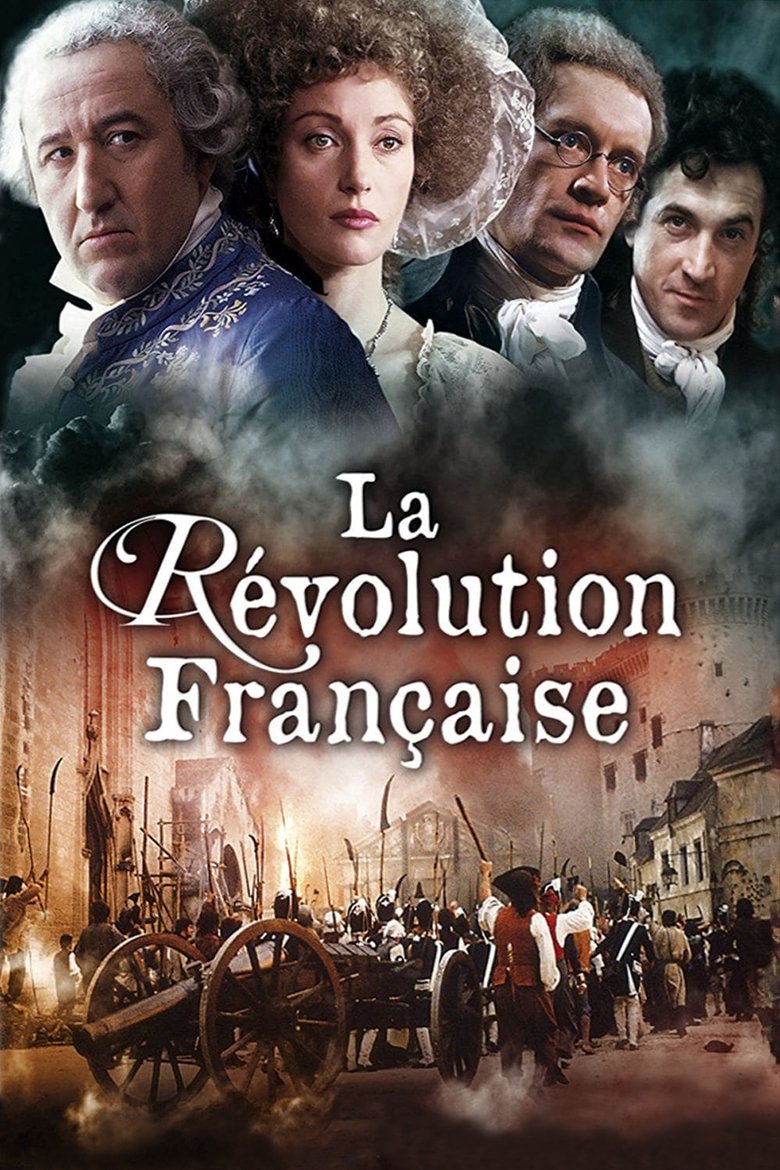
1989
Director
Richard T. Heffron, Robert Enrico
Runtime
335 minutes
Average Rating
No ratings yetSynopsis
A history of the French Revolution beginning from the decision of the king to convene the Etats-Generaux in 1789 in order to deal with France's debt problem. Part one spans the event until August 10, 1792 (when the King Louis XVI lost all authority and was imprisoned). Part two carries the story through the end of the terror in 1794.
Overall Score
Limited
Category Breakdown
LGBTQ+ Representation
The film adheres to the historical periodization of the late 18th century. There are no discernible non-cisnormative gender identities or same-sex narratives within the central plot.
Gender Representation
The narrative disrupts traditional hierarchies by centering the political agency of women. Female figures navigate the volatile political landscape, moving beyond passive domestic roles to participate in socio-political shifts.
Racial & Ethnic Diversity
The cast is predominantly white and European, consistent with the historical context of 1789 France. The film maintains a focus on the internal ethnic homogeneity of the revolutionary struggle.
Religious & Cultural Diversity
The film portrays the Monarchy and Catholic Church as oppressive structures necessitating upheaval. It engages with anti-hierarchical themes and challenges traditional Christian morality through the lens of revolutionary violence.
Disability Representation
There is no significant focus on neurodivergence or physical disability. Any characters with impairments appear to function within standard historical drama tropes rather than possessing independent agency.
Strengths
Areas for Improvement
AI Analysis
This historical epic focuses on the systemic collapse of the French monarchy and the rise of the Third Estate. It excels in its cultural critique, deconstructing Western institutions and traditional religious morality through the chaos of the Reign of Terror. However, the film is limited by its strict adherence to 18th-century demographics. The lack of racial, LGBTQ+, and disability representation reflects the era's homogeneity but results in a narrow social scope. Ultimately, the film is a study of class-based disruption and institutional decay rather than a diverse modern ensemble piece.
1971

1955

1955

2019

1966
No reviews yet. Be the first to share your thoughts on this movie!
Use the rating form above to leave a star rating and optional review.