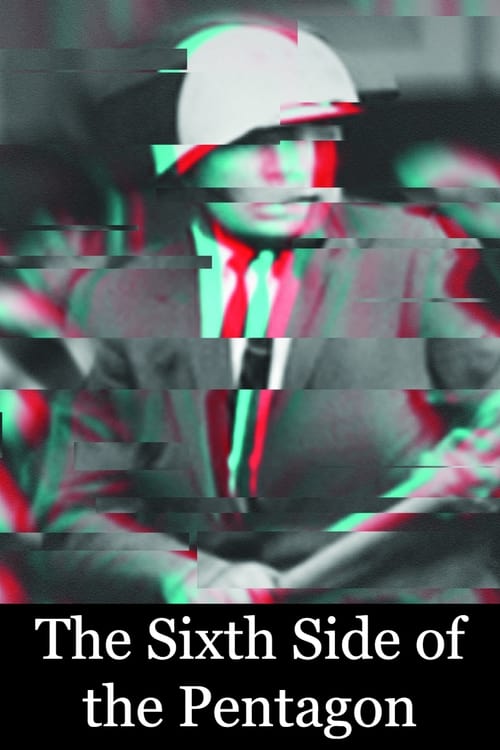
The Sixth Side of the Pentagon
1968
No user ratings available yet
Representation score: 6.0 out of 10

Representation Score
Good
2012
Director
Patrick Rotman
Runtime
110 minutes
Average Rating
No ratings yetNew Showbiz Analysis
Patrick Rotman’s documentary excels at deconstructing historical power structures by examining the systemic upheavals of 1968. Its greatest strength lies in its global perspective, which moves beyond an Anglo-centric lens to include diverse geopolitical struggles. The film effectively uses archival footage and counter-culture music to capture the era's chaos and prioritize the voices of those challenging the status quo. However, the film's focus on historical revolutionary leaders results in a narrative dominated by masculine archetypes. Additionally, the lack of explicit focus on LGBTQ+ narratives or disability representation limits its overall inclusivity.
Category Breakdown
The film focuses on geopolitical conflicts and global political movements. While the era was important for queer liberation, there are no explicit narratives about non-binary gender identities.
The narrative centers on revolutionary figures like Che Guevara and De Gaulle, which emphasizes masculine archetypes. However, the film explores the breakdown of traditional social and patriarchal orders.
The film's scope is inherently global, covering from Saigon to Mexico. By highlighting the Vietnam War and Che Guevara, the film prioritizes non-Western perspectives and the empowerment of oppressed populations.
The documentary highlights anti-establishment icons and protests against state institutions. It prioritizes revolutionary experiences and counter-culture music over singular institutional morality or state-sanctioned patriotism.
There is no specific evidence regarding the portrayal of physical or neurodivergent disabilities within the film's coverage of the 1968 era.
Present on Screen
Limited or Absent
Official Synopsis
From Washington to Saigon, Rome to Mexico, Paris to Prague, a wave of protests shook the world. 68 looks back at the looks back at the Vietnam War, the Prague Spring and the Soviet Invasion, the Paris riots, Dubcek, Che Guevara, De Gaulle, Cohn-Bendrik and more. A dive into the chaos of a turbulent year, featuring fantastic colour footage and the music of Jimi Hendrix, Janis Joplin, Jim Morrisson and Bob Dylan.
1968
2012
2011
1968

1961

1975
1991
1968
No reviews yet. Be the first to share your thoughts on this movie!
Use the rating form above to leave a star rating and optional review.