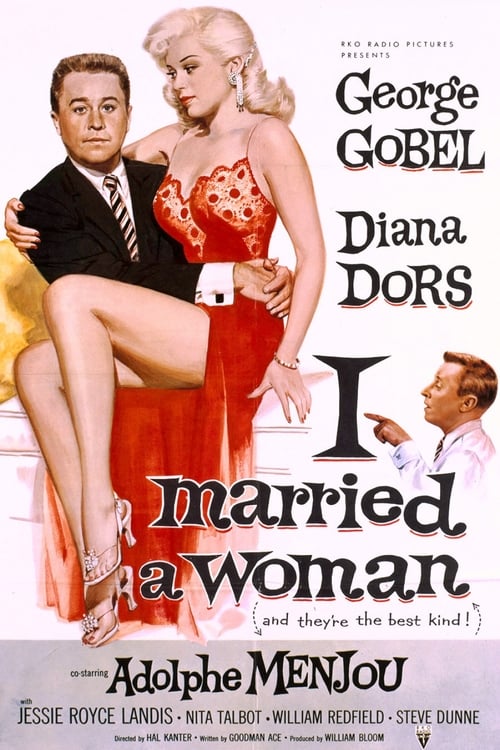
I Married a Woman
1958
No user ratings available yet
Representation score: 1.4 out of 10
No Poster Available
Representation Score
Minimal
1951
ApprovedDirector
Hugh McCollum
Runtime
16 minutes
Average Rating
No ratings yetNew Showbiz Analysis
Trouble In-Laws is a typical product of its time, adhering to the conventional production standards of the early 1950s. The film relies on traditional comedic structures and mid-century social hierarchies without attempting to disrupt them. The narrative centers on an advertising professional and a strong man, emphasizing themes of commerce and physical capability. This focus reinforces the period's prevailing gender and racial norms rather than offering diverse perspectives. Ultimately, the film lacks the narrative complexity or intentionality needed to challenge the social landscape of the mid-20th century.
Category Breakdown
The film does not include any LGBTQ+ narratives or characters with non-traditional gender identities. It follows the straight-centered conventions typical of 1951 studio productions.
The story emphasizes masculine pursuits such as business and physical strength. It upholds the professional hierarchies of the mid-20th century without challenging traditional gender roles.
The production reflects the homogeneous casting standards of the early 1950s. There is no indication of a diverse cast that challenges the era's social norms.
The narrative operates within a framework of conventional Western social stability. It does not critique institutional or religious authority.
While the plot includes a 'strong man,' there is no representation of neurodivergence or physical disabilities as central narrative elements.
Present on Screen
Limited or Absent
Official Synopsis
Hugh, an advertising man, tries to get a local strong man to endorse a breakfast food.
1958
1948
1947
1959
1947
1937
1946
1951
No reviews yet. Be the first to share your thoughts on this movie!
Use the rating form above to leave a star rating and optional review.