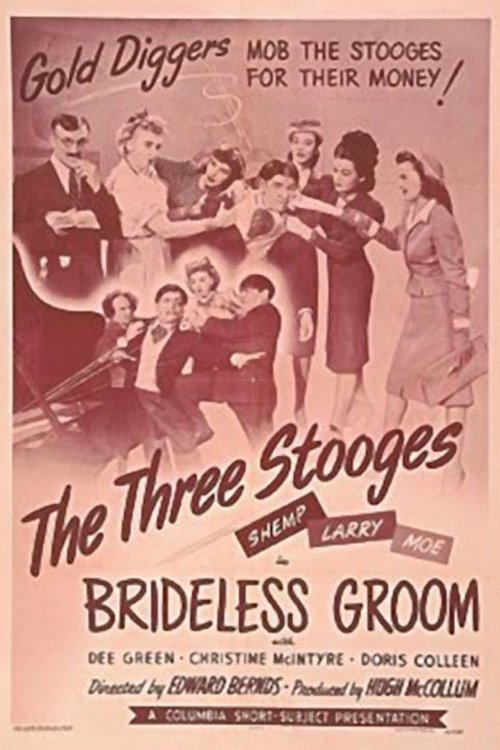
Brideless Groom
1947
No user ratings available yet
Representation score: 2.2 out of 10
Representation Score
Minimal
1947
ApprovedDirector
Edward Bernds
Runtime
16 minutes
Average Rating
No ratings yetNew Showbiz Analysis
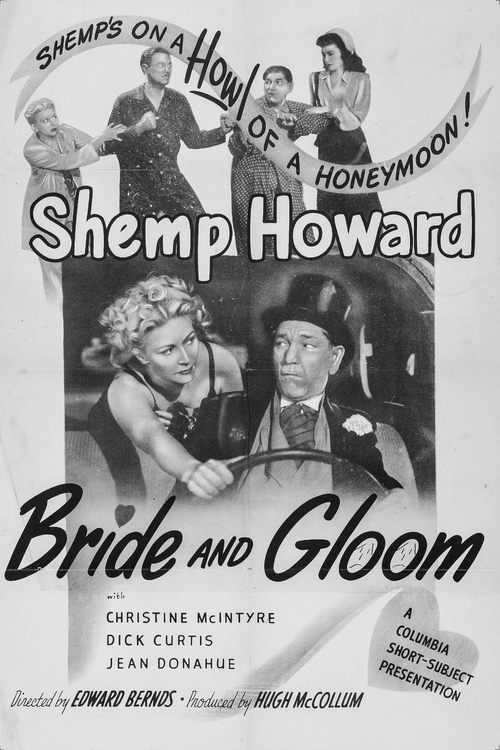
Bride and Gloom is a quintessential product of the 1940s studio system, prioritizing formulaic slapstick over social complexity. The narrative relies on established comedic clichés centered on male errors and domestic friction. The film adheres strictly to the cultural and demographic norms of its era. It functions as light entertainment that reinforces traditional social hierarchies and heterosexual marriage structures without challenging them.
Category Breakdown
The film does not include any LGBTQ+ characters or narratives. The plot revolves around a traditional romantic conflict involving a bride-to-be, reinforcing conventional heterosexual relationships.
Women are portrayed mainly as archetypes, such as the 'wrong woman' or the unhappy bride. These roles serve as catalysts for male comedic errors rather than showcasing female empowerment.
The production reflects the homogeneous casting standards of the 1947 Hollywood studio system. There is no indication of a diverse cast or race-bent casting.
The story emphasizes traditional Western values and social propriety. The wedding premise reinforces established institutions like marriage without offering any critical perspective.
There is no evidence that disability plays a central role in the narrative. While slapstick humor relies on physical movement, no specific disability is highlighted in the plot.
Present on Screen
Limited or Absent
Official Synopsis
In this Columbia All-Star Comedy (production number 8439), Shemp Howard finds himself in a love nest with the wrong woman, while his bride-to-be is waiting, none too happy, at the church.
1947

1946
1946
1947
1943
1948
1947
1952
No reviews yet. Be the first to share your thoughts on this movie!
Use the rating form above to leave a star rating and optional review.