La llamada de la muerte
1960
No user ratings available yet
Representation score: 2.8 out of 10
Representation Score
Minimal
1965
Director
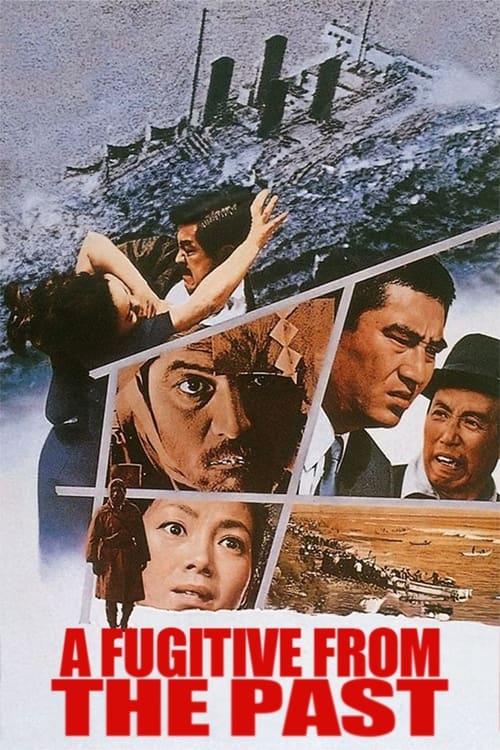
Tomu Uchida
Runtime
183 minutes
Average Rating
No ratings yetNew Showbiz Analysis
Tomu Uchida’s crime drama emphasizes genre conventions and psychological complexity over disrupting social hierarchies. The film employs a non-linear narrative to delve into memory and guilt, but these themes are confined to individual character arcs rather than broader identity-based representation. The storyline follows a typical investigative format centered around a maritime disaster and a criminal heist. Despite its technical sophistication, the film remains a traditional period piece that upholds the social norms of mid-20th century Japan.
Category Breakdown
The film adheres to the social norms of the 1960s, focusing on heterosexual relationships and assuming that all characters are cisgender.
The story revolves around a male-dominated criminal world and a male law enforcement officer. Female characters play minor roles and have limited influence on the plot.
The cast primarily features actors from similar cultural backgrounds, reflecting the Japanese society of the time without excluding other ethnicities.
The narrative explores personal moral dilemmas and ambiguities without critiquing larger societal or institutional issues related to religion or culture.
The film does not include characters dealing with physical, neurological, or sensory disabilities, focusing instead on the main plot involving a heist and its aftermath.
Present on Screen
Limited or Absent
Official Synopsis
Three robbers escape with loot from a heist before one of them kills the others. Their corpses wash up near the aftermath of a maritime calamity, provoking a policeman's interest.
1960
1979
1958
1964

1958
1949
1934
1955
No reviews yet. Be the first to share your thoughts on this movie!
Use the rating form above to leave a star rating and optional review.