Voice Without a Shadow
1958
No user ratings available yet
Representation score: 3.8 out of 10
Representation Score
Minimal
1958
Director
Yoshitarō Nomura
Runtime
116 minutes
Average Rating
No ratings yetNew Showbiz Analysis
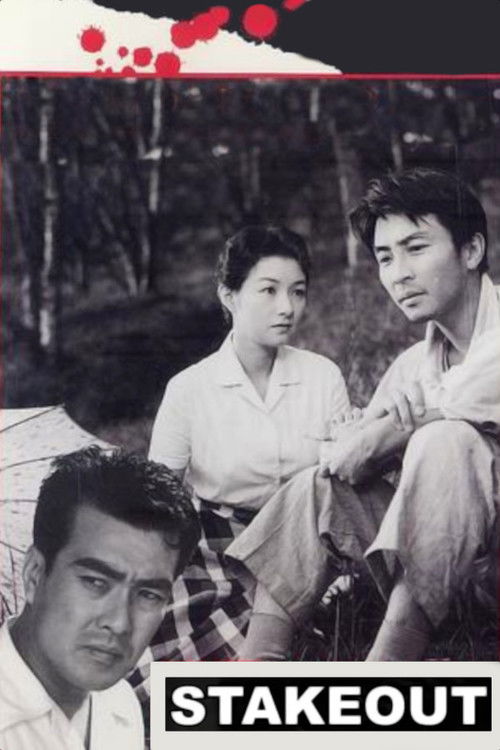
Stakeout is a classic genre piece that prioritizes procedural realism over exploring diverse social identities. The film examines law enforcement and psychological tension within a post-war urban setting. The narrative structure reinforces traditional hierarchies, especially through its male-dominated professional focus. It adheres to the social norms of 1950s Japan, emphasizing duty and the psychological pressures of police work. Ultimately, the film lacks representation of diverse identities, focusing instead on the mechanics of surveillance and maintaining social order.
Category Breakdown
The film follows a traditional detective storyline where there are no queer narratives or characters who don't identify as cisgender. The plot focuses on a suspect's relationship with an old flame.
The story is set in a male-dominated professional environment where female characters mainly serve as catalysts for the plot rather than being active drivers of the action.
Set in post-war Tokyo, the film portrays a predominantly homogeneous Japanese society. It reflects the historical and social conditions of the time without featuring actors from diverse backgrounds.
The story emphasizes the stability of institutions and the maintenance of social order. It presents a traditional view of state authority and professional responsibility within the context of law enforcement.
There are no characters with visible or invisible disabilities in the film. The focus remains on the psychological tension and the mechanics of the investigation.
Present on Screen
Limited or Absent
Official Synopsis
Two detectives begin a stakeout based on the slim chance of catching a murderer whom they suspect will try to reunite with an old flame.
1958
1949
1958
1958
1974
1948
1965
1952
No reviews yet. Be the first to share your thoughts on this movie!
Use the rating form above to leave a star rating and optional review.