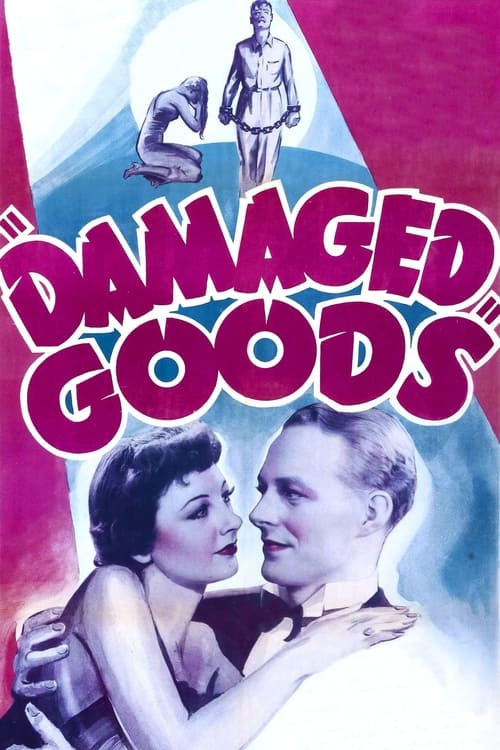
Damaged Goods
1937
No user ratings available yet
Representation score: 2.9 out of 10
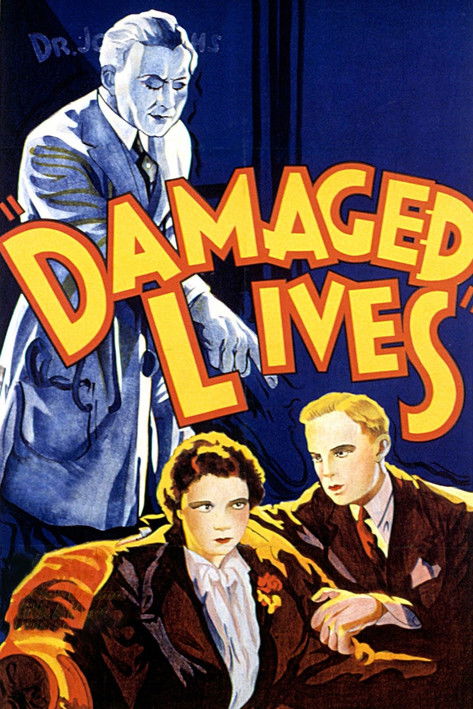
Representation Score
Limited
1933
NRDirector
Edgar G. Ulmer
Runtime
70 minutes
Average Rating
No ratings yetNew Showbiz Analysis
Damaged Lives operates within the restrictive social and cinematic frameworks of the Pre-Code era. The narrative is centered around a cautionary tale of infidelity and disease, emphasizing moral causality over systemic critique. The film uses personal transgressions to explore contemporary anxieties about health and morality. Instead of challenging social hierarchies, the story appears designed to reinforce existing social and medical orders through its tragic character arcs. Overall, the work functions as a traditional social drama. It lacks the narrative structure needed to deconstruct or challenge the era's dominant cultural, racial, or gendered structures.
Category Breakdown
The film does not include any queer narratives or characters with non-straight identities. The main storyline revolves around an affair, which is a common theme used to explore traditional marital issues.
The story focuses on the consequences of a romantic transgression. It is unclear whether the film challenges or reinforces traditional gender roles for the female protagonist.
The film seems to follow the homogeneous casting practices typical of the 1930s. There is no indication of significant non-white representation in the main storyline.
The emphasis on sexually transmitted diseases highlights a moral concern. The story likely serves as a cautionary tale to uphold social and medical norms.
Medical conditions are used as plot devices to indicate moral shortcomings. There is no evidence of characters being represented beyond the traditional, tragic stereotypes.
Present on Screen
Limited or Absent
Official Synopsis
An extramarital affair leads to a young couple contracting venereal disease.
1937

1929
1935

1920
1938

1929

1971
1942
No reviews yet. Be the first to share your thoughts on this movie!
Use the rating form above to leave a star rating and optional review.