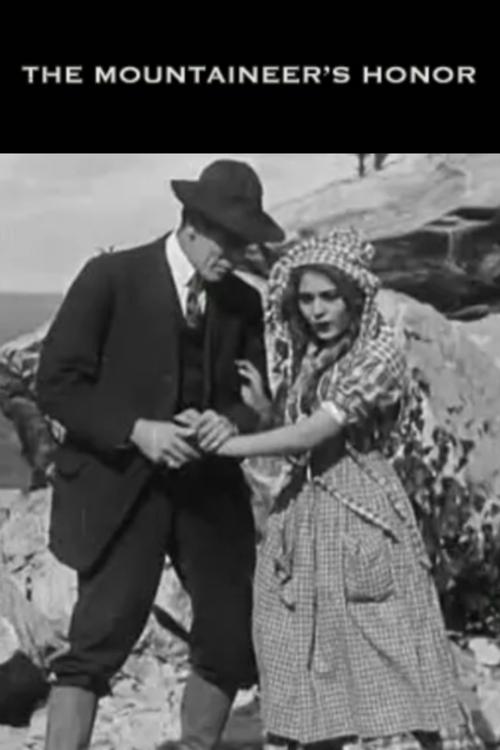
The Mountaineer's Honor
1909
No user ratings available yet
Representation score: 0.7 out of 10
Representation Score
Minimal
1905
Director
Ferdinand Zecca
Runtime
4 minutes
Average Rating
No ratings yetNew Showbiz Analysis
A Father's Honor is a classic example of early 20th-century melodrama, emphasizing emotional impact through well-established archetypes. The narrative follows a repetitive cycle of loss and vengeance typical of the era. While the film lays down fundamental elements of the melodrama genre, it does not challenge the social structures of its time. Instead, it upholds them through its character interactions. The absence of diversity mirrors the historical context, focusing on a single, traditional moral code centered on patriarchal retribution.
Category Breakdown
The film centers on a heterosexual tragedy involving a father and his daughter. There are no characters with non-binary or transgender identities.
Female characters are portrayed as passive victims of violence, which propels the plot forward. The father's role is defined by traditional masculine stereotypes of protection and revenge.
The film likely reflects the homogeneous society of 1905 France. There is no indication of diverse casting or challenging Eurocentric norms.
The story adheres to traditional moral frameworks centered around honor and family duty. It reinforces established social norms rather than questioning Western institutions.
There are no characters with physical, sensory, or neurodivergent disabilities in the story.
Present on Screen
Limited or Absent
Official Synopsis
A young woman receives a message, and hurriedly leaves home. But the message was a trick to lure her into a trap, where she is assaulted and killed. When her body is found floating in the river, it is brought to her father. Once he realizes what has been done to his daughter, the father immediately sets out in an effort to extract vengeance.
1909
1960
1904

1973
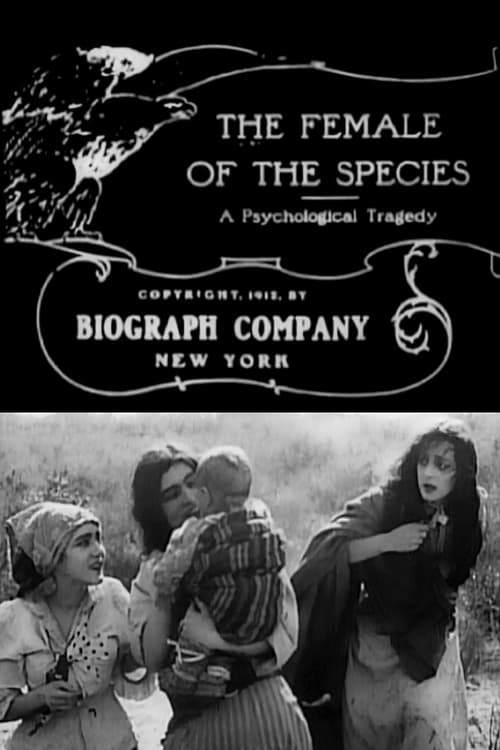
1912
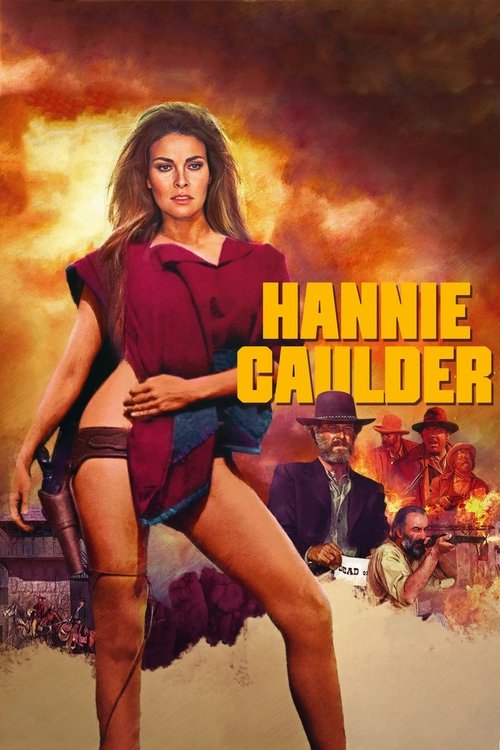
1971
1916
1920
No reviews yet. Be the first to share your thoughts on this movie!
Use the rating form above to leave a star rating and optional review.