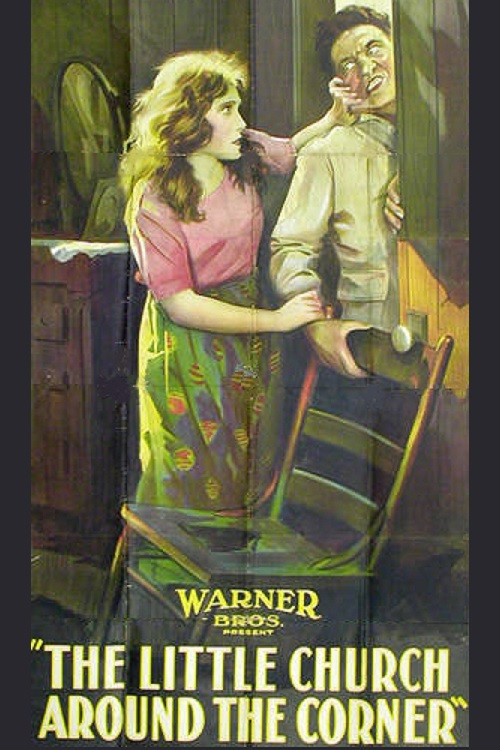
Little Church Around the Corner
1923
No user ratings available yet
Representation score: 0.9 out of 10
No Poster Available
Representation Score
Minimal
1905
Director
Ferdinand Zecca
Runtime
13 minutes
Average Rating
No ratings yetNew Showbiz Analysis
This 1905 drama is a product of its time, focusing on a narrow, traditional familial tragedy. The narrative is built around a patriarchal labor structure, centering on a father and son in a coal mine. The film adheres to the social and cinematic conventions of the early 20th century. It prioritizes industrial realism and melodrama over challenging social hierarchies or including diverse identities. Ultimately, the work lacks the intentional narrative architecture required for modern diversity standards, reflecting the homogeneous and traditionalist landscape of early French cinema.
Category Breakdown
The film does not include any characters with LGBTQ identities or non-traditional gender roles. It focuses on a traditional father-son relationship set in a labor environment.
The story centers on a patriarchal structure through the male figures of a father and son. It reflects the traditional gendered labor divisions common in the early 20th century.
The production reflects a homogeneous European working-class demographic typical of early French industrial cinema. There is no evidence of racial diversity or multicultural casting.
The film depicts the harsh, systemic dangers of industrial labor and capitalistic extraction. However, it functions primarily as a standard period melodrama without explicit social critique.
There is no representation of characters with disabilities. The only physical trauma shown is death, which serves as a tragic plot device rather than a nuanced exploration.
Present on Screen
Limited or Absent
Official Synopsis
A father and son are working in a coal mine. An explosion occurs, which kills the son.
1923

1925
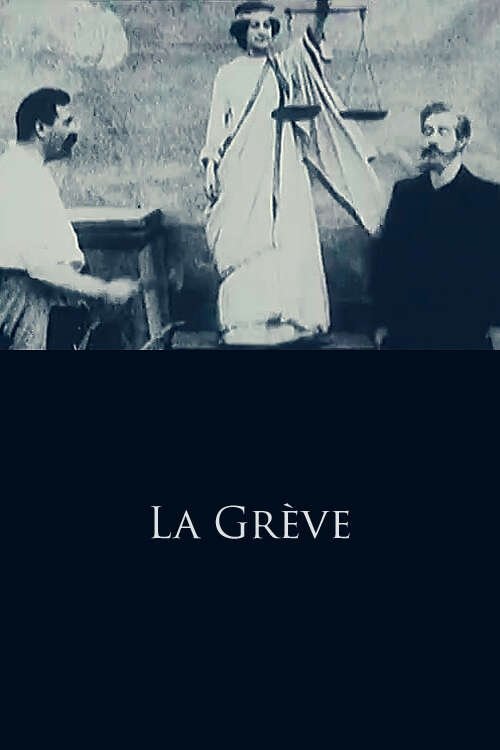
1904
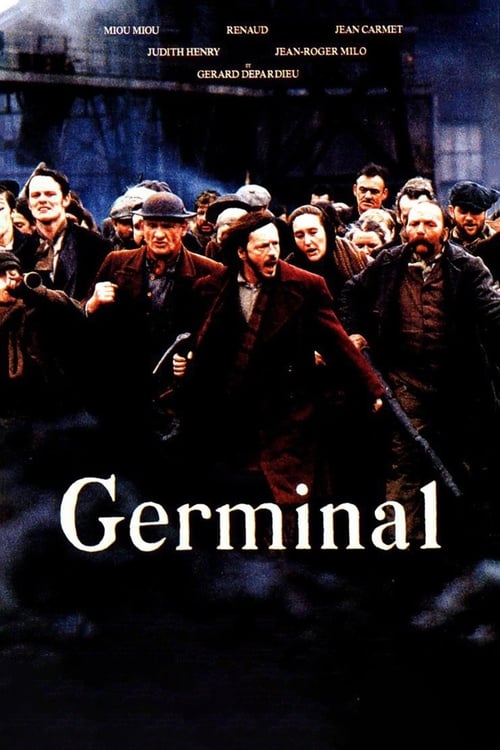
1993
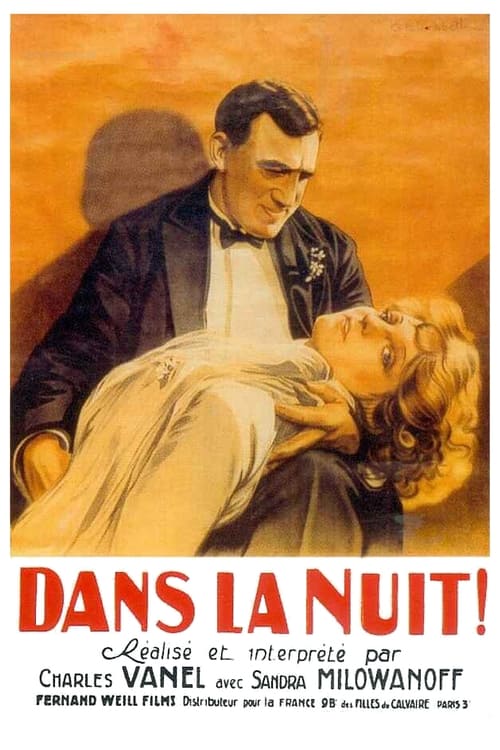
1930
1937

2019
1905
No reviews yet. Be the first to share your thoughts on this movie!
Use the rating form above to leave a star rating and optional review.