State Funeral
2019
No user ratings available yet
Representation score: 2.4 out of 10
Representation Score
Fair
2015
Director
Jobst Knigge
Runtime
53 minutes
Average Rating
No ratings yetNew Showbiz Analysis
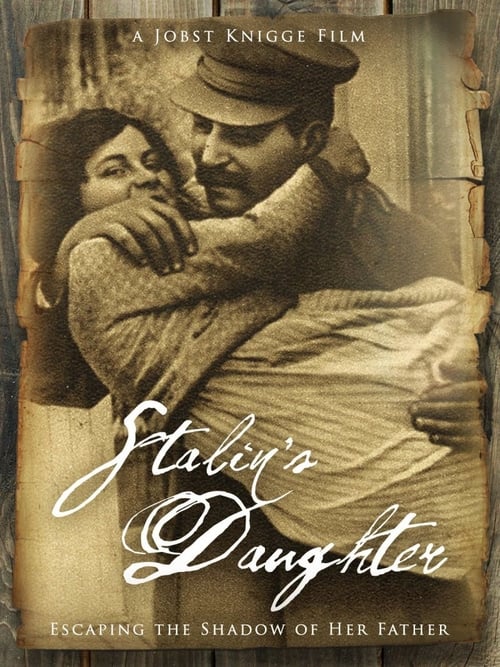
Stalin's Daughter is a historical exploration of power that emphasizes personal stories over diverse demographics. It succeeds by shifting focus from Stalin's dominance to his daughter's lived experience. The film's progressive value comes from its critique of how totalitarianism affects individual freedom and traditional social structures. It uses archival footage to highlight the impact of state violence on families. While the documentary lacks a wide range of demographic diversity, it provides a nuanced look at female resilience against patriarchal authority. It remains a focused study of a specific historical period and its systemic impacts.
Category Breakdown
The film doesn't include explicit stories about LGBTQ+ individuals. However, it hints at personal relationships being suppressed during Stalin's rule.
The documentary focuses on Svetlana Alliluyeva, offering a woman's perspective within a highly masculine power structure. It explores how women cope and survive under oppressive political systems.
The story is primarily about the Soviet elite and doesn't include diverse ethnic backgrounds. The main conflicts are geopolitical rather than racial.
The film criticizes centralized, authoritarian institutions and their effect on families. It shows the struggle for freedom from systemic control and totalitarianism.
There is no information about the portrayal of physical or neurodivergent disabilities in this historical documentary.
Present on Screen
Limited or Absent
Official Synopsis
A shock wave started as Stalin's daughter Svetlana Iosifovna Alliluyeva fled to the West. During her childhood, she remained at the center of power and was her father's favorite child. However, her life was overshadowed by death and violence. Her mother and brother died, family members were murdered, and her partner was exiled by Stalin. The Iron Curtain was an obstacle in her family dream. This documentary shows for the first time interviews with friends and relatives, exclusive photos and documentation, as well as the last and never broadcast interview with Alliloejeva.
2019
2012
2023
2017
2021
2014
2004
2020
No reviews yet. Be the first to share your thoughts on this movie!
Use the rating form above to leave a star rating and optional review.