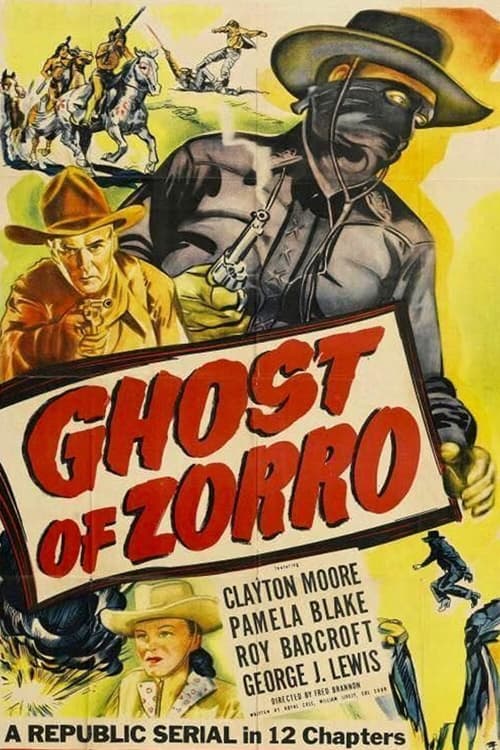
Ghost of Zorro
1949
No user ratings available yet
Representation score: 1.1 out of 10
Representation Score
Limited
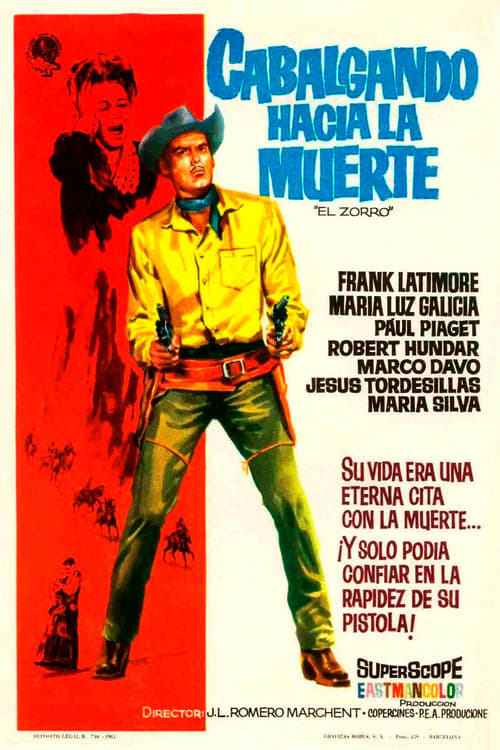
1962
Director
Joaquín Romero Marchent
Runtime
87 minutes
Average Rating
No ratings yetNew Showbiz Analysis
The film functions as a traditional mid-century adventure, relying heavily on established genre clichés. While it avoids the one-sided perspective of many Westerns by including Mexican revolutionary ability to act, it remains anchored in conservative social hierarchies. Gender dynamics are limited, with women primarily serving as plot devices to motivate male action. The narrative’s focus on domestic protection and vengeance reinforces the patriarchal values of its time. Ultimately, the film offers historical geopolitical tension but lacks a commitment to deconstructing social norms or representing diverse identities beyond the central ethnic conflict.
Category Breakdown
The film focuses on traditional heterosexual relationships, particularly the marriage of Don Jose and his wife. It does not include any non-binary gender identities or critiques of heterosexuality.
Women in the film play a reactive role, serving as catalysts for the main character through their kidnapping. They are portrayed as domestic stakes rather than independent agents within the story.
The film presents a conflict between Mexican revolutionaries and the U.S. cavalry. This portrayal highlights the ability to act of Mexican revolutionaries, challenging a monolithic Western perspective.
The story explores personal justice against state authority, focusing on the protection of the patriarchal family unit. However, the core motivation remains tied to upholding traditional family structures.
There are no characters with visible or invisible disabilities mentioned in the narrative.
Present on Screen
Limited or Absent
Official Synopsis
A battle between revolutionary Mexicans and the U.S. cavalry brings Zorro onto the scene to enact vengeance for violent acts incurred by the cavalry Sergeant. Once the Sergeant is killed, Don Jose de la Torre retires from being Zorro and settles down to live a quiet life. The brother of the Sergeant, in an act of his own justice, dons the costume of Zorro and terrorizes the countryside. In an act to draw out the true Zorro, the imposter kidnaps Don Jose's wife, making him once again don the mask to rescue her.
1949
1975
1974
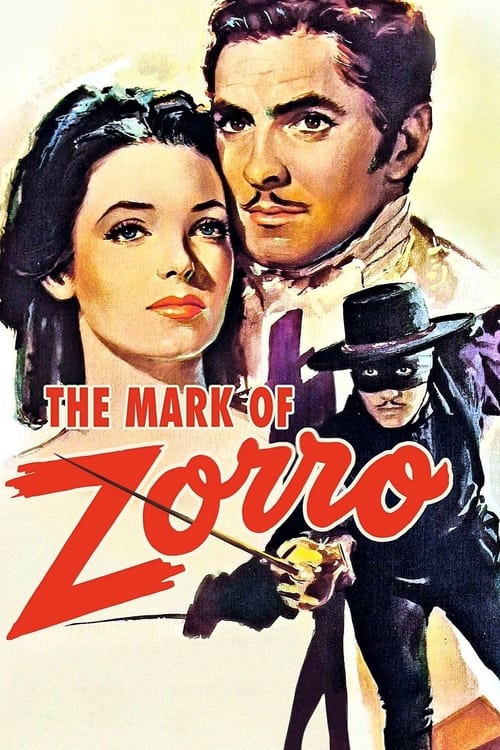
1940
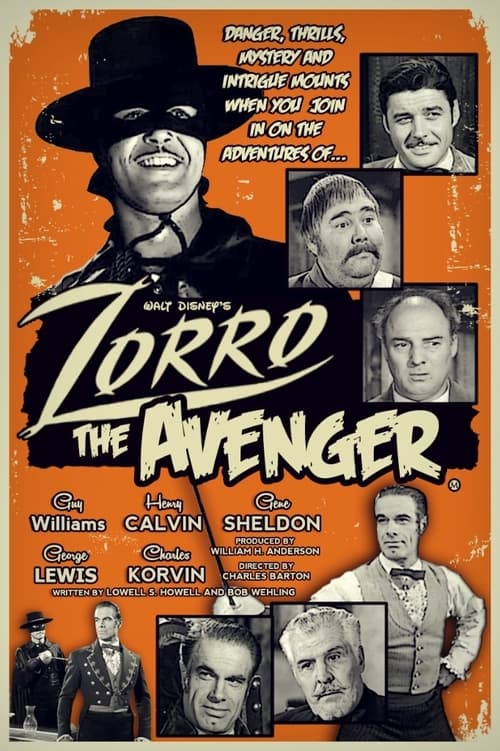
1959
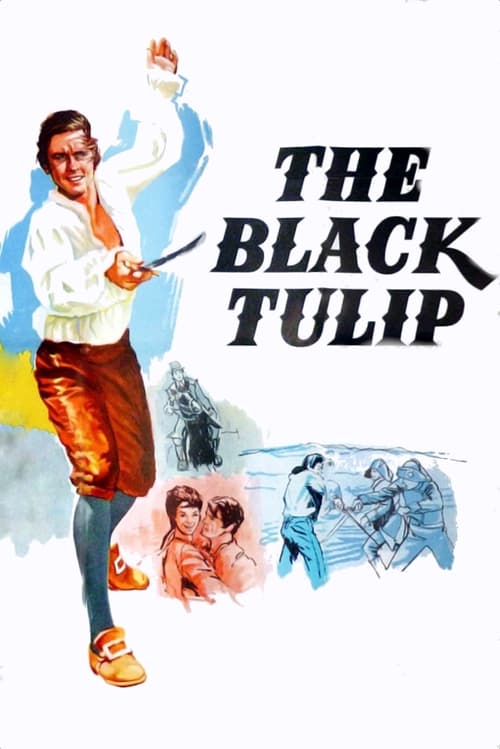
1964
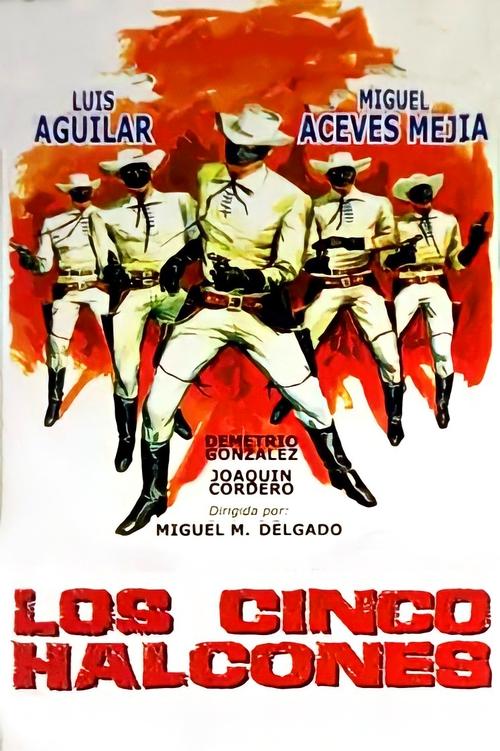
1962
1966
No reviews yet. Be the first to share your thoughts on this movie!
Use the rating form above to leave a star rating and optional review.