
The Mark of Zorro
1975
No user ratings available yet
Representation score: 2.1 out of 10
Representation Score
Limited
1974
ApprovedDirector
Don McDougall
Runtime
78 minutes
Average Rating
No ratings yetNew Showbiz Analysis
The film is a transitional work that blends mid-1970s genre conventions with progressive casting choices. Its strongest attribute lies in its ethnic authenticity, providing a level of control uncommon for the time period. However, the narrative remains tied to traditional gender roles and lacks LGBTQ+ representation or characters with disabilities. The emphasis on masculine strength as the primary driver of justice limits the film's gender diversity. Ultimately, the film's success is bolstered by its decision to center a Latino cast in a Spanish colonial setting, effectively challenging the typical Western perspective.
Category Breakdown
The film does not include any LGBTQ+ characters or non-straight identities. The romantic storyline follows a traditional courtship pattern without any queer undertones.
Gender roles remain traditional, with the male protagonist taking a leading role. Despite using a comedic 'fop' persona, the story ultimately emphasizes traditional masculine authority.
The film features a predominantly Hispanic/Latino cast, including actors Alfonso Arau and Maria Conesa. This choice counters the historical trend of whitewashing Spanish colonial narratives.
The story criticizes institutional corruption by portraying the hero as a rebel against tyranny. It highlights systemic injustice and the struggle against an oppressive ruling class.
The film does not depict any visible or invisible disabilities. There are no characters with disabilities used as narrative devices.
Present on Screen
Limited or Absent
Official Synopsis
The swishing fop Don Diego de la Vega becomes the swashbuckling masked hero Zorro when tyranny threatens his people in nineteenth-century California.
1975
1940
1959
1975

2002
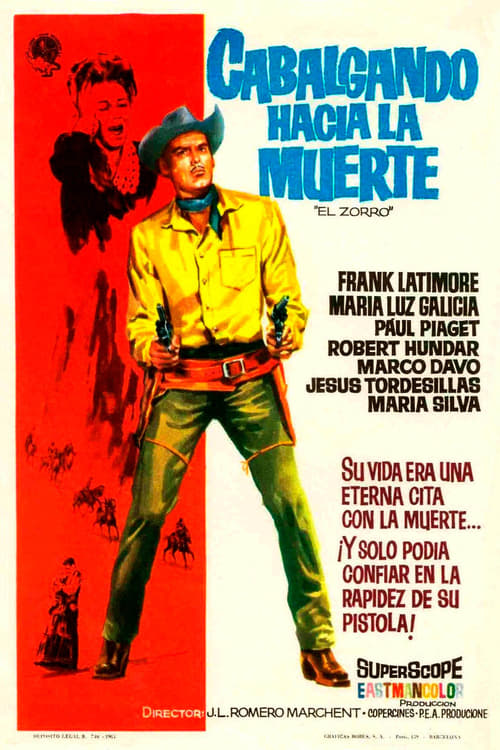
1962
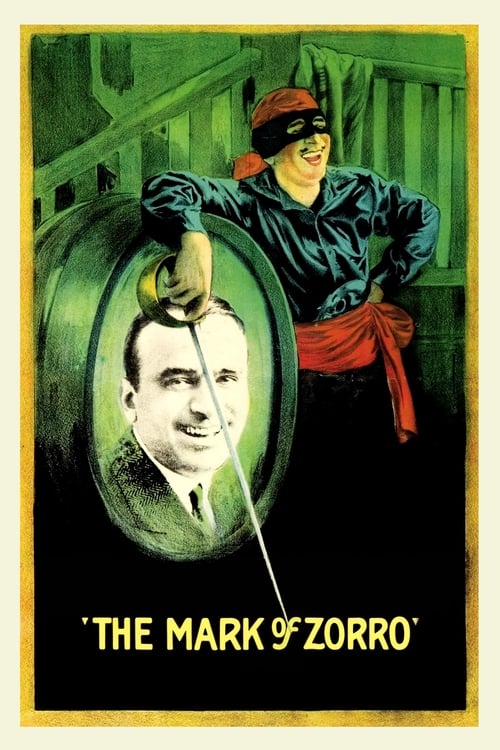
1920
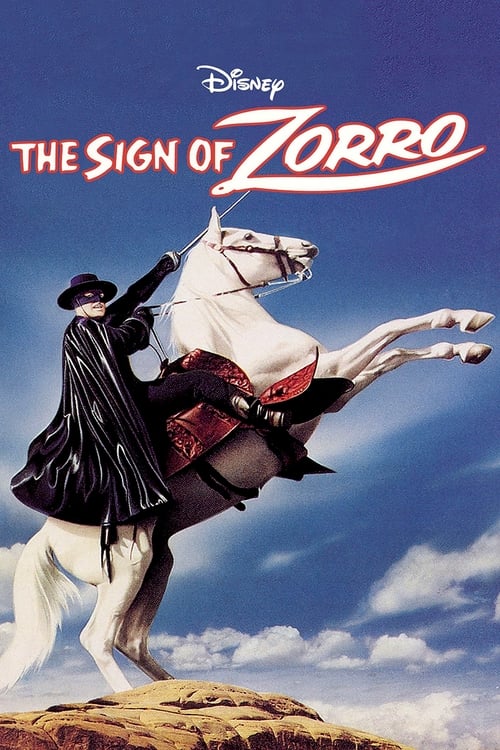
1958
No reviews yet. Be the first to share your thoughts on this movie!
Use the rating form above to leave a star rating and optional review.