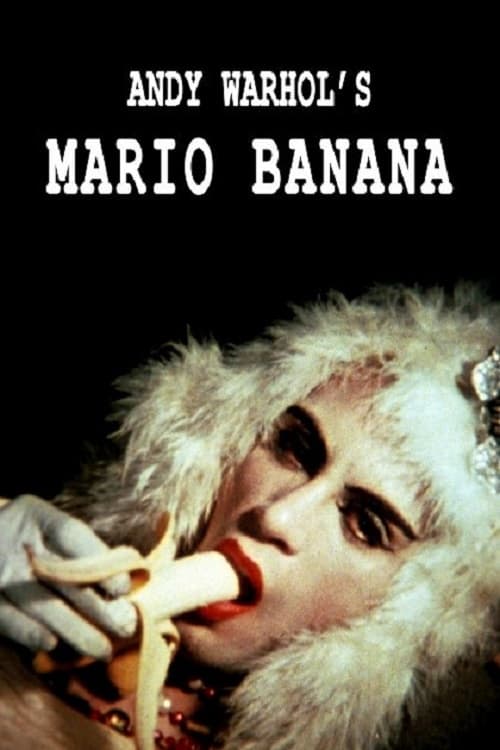
Mario Banana I
1964
No user ratings available yet
Representation score: 4.7 out of 10
Representation Score
Good
1964
Director
Andy Warhol
Runtime
45 minutes
Average Rating
No ratings yetNew Showbiz Analysis
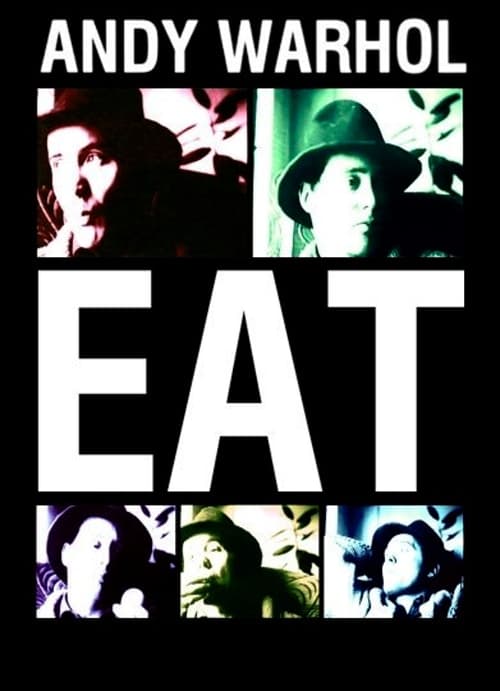
Warhol's *Eat* functions as a structuralist observation of consumption rather than a traditional narrative. It succeeds by documenting the lived experiences of a underrepresented subculture, prioritizing presence over rigid, moralistic storytelling structures. The film's strength lies in its subversion of mid-20th-century cinematic norms. By rejecting the teleological drive of Hollywood, it creates a landscape where identity and social parity emerge through unscripted, mundane reality. However, the film's focus is limited to a specific New York avant-garde milieu. While it challenges mainstream homogeneity, its scope remains tied to a particular bohemian social stratum.
Category Breakdown
The film captures the Warhol Factory social circle naturally, treating queer identities as inherent rather than exceptional. It portrays members of the queer underground within their natural social environment.
By removing traditional hero and heroine roles, the film dismantles 1960s gender hierarchies. The unscripted act of consumption creates a space where masculine leadership and submissive femininity are neutralized.
The cast includes a degree of ethnic diversity uncommon for mainstream 1960s cinema. While not focusing on racial politics, the presence of Black individuals challenges the era's homogeneous white social norms.
The work critiques capitalist utility by elevating the mundane to the status of art. It operates through radical secularism and skepticism toward traditional Western values and institutionalized truths.
There are no specific depictions of visible or invisible disabilities that drive the narrative or serve as significant character arcs.
Present on Screen
Limited or Absent
Official Synopsis
This art experiment by Andy Warhol captures the simple act of a man eating mushrooms. This one-man show starring Robert Indiana presents the actor slowly eating some mushrooms, having an enjoyable time not only with the food but also with a friendly cat that from time to time comes to see what the man is doing.
1964
1978

1967
2003
1964
2000
1966
1963
No reviews yet. Be the first to share your thoughts on this movie!
Use the rating form above to leave a star rating and optional review.