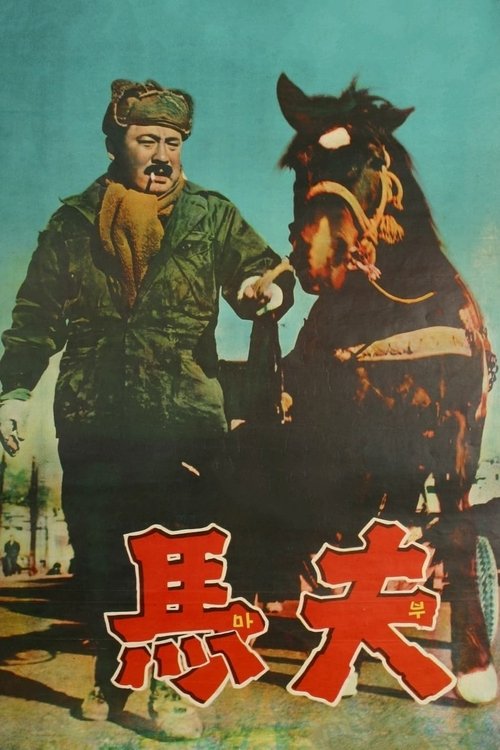
The Coachman
1961
No user ratings available yet
Diversity score: 4.1 out of 10

1994
Director
Im Kwon-taek
Runtime
164 minutes
Average Rating
No ratings yetSynopsis
Based on the great river story, The Taebaek Mountains chronicles the lasting generational conflict between proprietors and peasants in South Korea.
Overall Score
Fair
Category Breakdown
LGBTQ+ Representation
The film focuses strictly on macro-political and class-based struggles. There is no discernible presence of non-cisnormative identities or narratives addressing heteronormativity.
Gender Representation
Women are central to the era's emotional and physical suffering, though their agency is often reactive to male-dominated political factions. The film avoids idealized femininity by showing war's brutalizing effects on the domestic sphere.
Racial & Ethnic Diversity
The cast is largely a homogeneous ethnic Korean group reflecting historical reality. The narrative uses the peasantry's struggle to explore post-colonial identity and systemic inequality.
Religious & Cultural Diversity
The film offers a sophisticated exploration of moral relativism and anti-capitalist perspectives. It centers the grievances of the working class against the landed elite to critique established power structures.
Disability Representation
Disability serves primarily as a signifier of wartime brutality rather than a medium for character agency. There is little evidence of neurodivergent or specific disability-focused narratives.
Strengths
Areas for Improvement
AI Analysis
Im Kwon-taek’s work is a profound exercise in social critique, utilizing the Korean War era to deconstruct national myths. It excels in its cultural depth, moving beyond simple binaries to explore the complex ethics of systemic oppression and class warfare. However, the film remains limited by the traditional hierarchies of its mid-century setting. The lack of intersectional representation, particularly regarding LGBTQ+ identities and neurodiversity, keeps the overall score moderate despite its intellectual rigor. Ultimately, the film is a powerful study of post-colonial trauma and the struggle of the oppressed, even if it operates within narrow demographic parameters.
1961

1957
1992
2015
1965
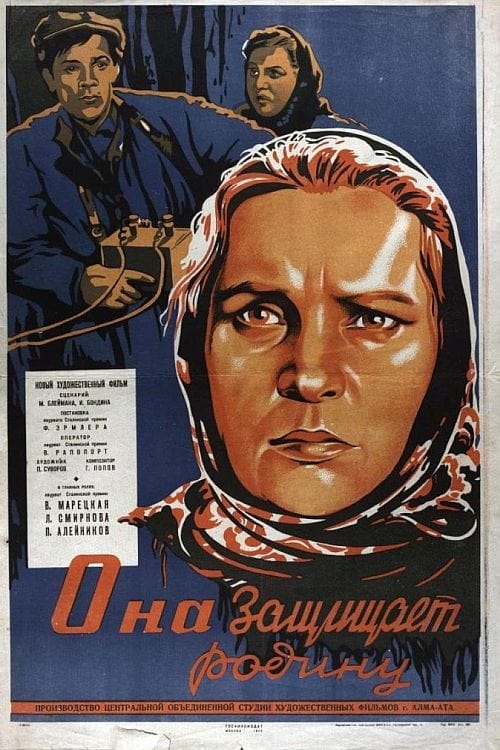
1943

1960
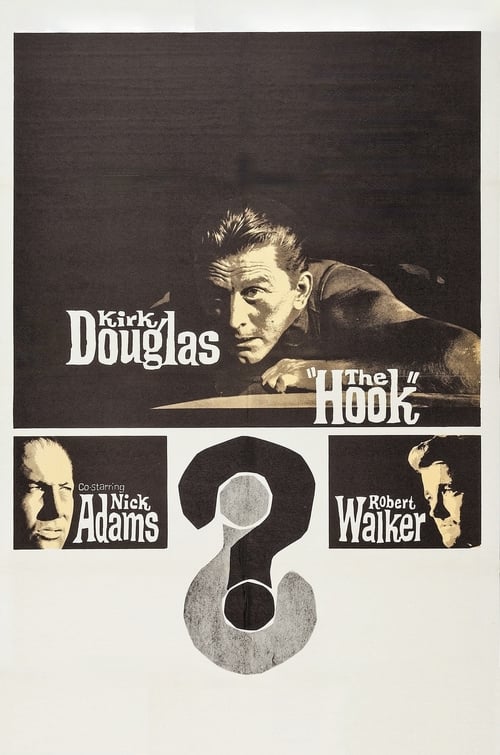
1963
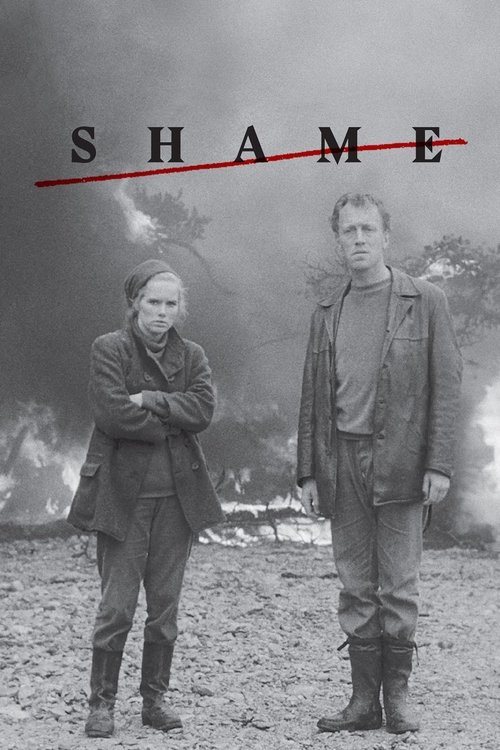
1968

2017
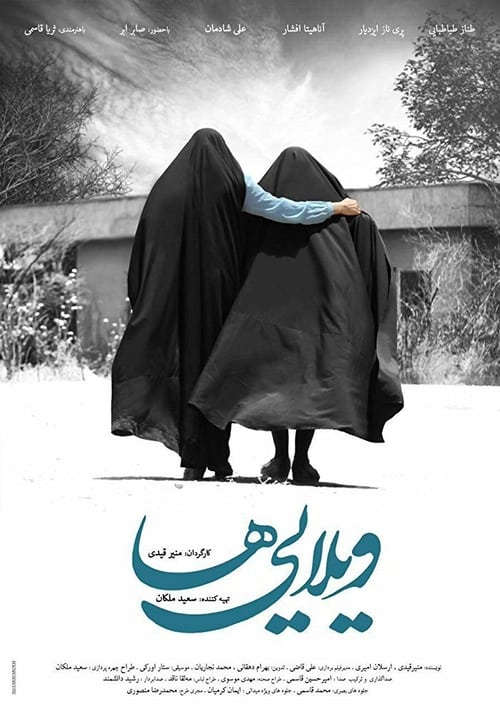
2017
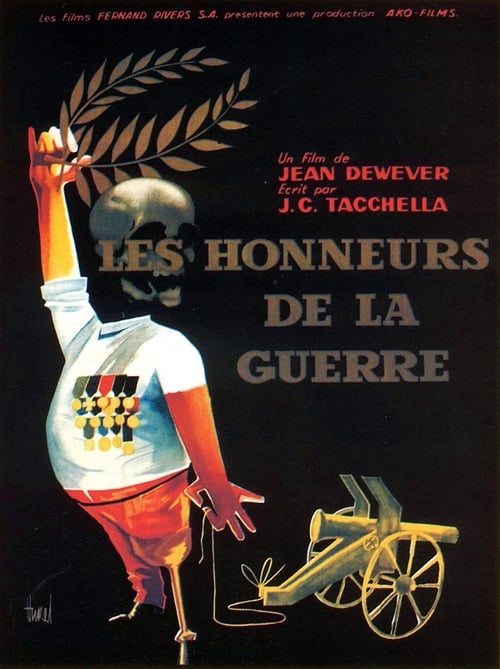
1962
No reviews yet. Be the first to share your thoughts on this movie!
Use the rating form above to leave a star rating and optional review.