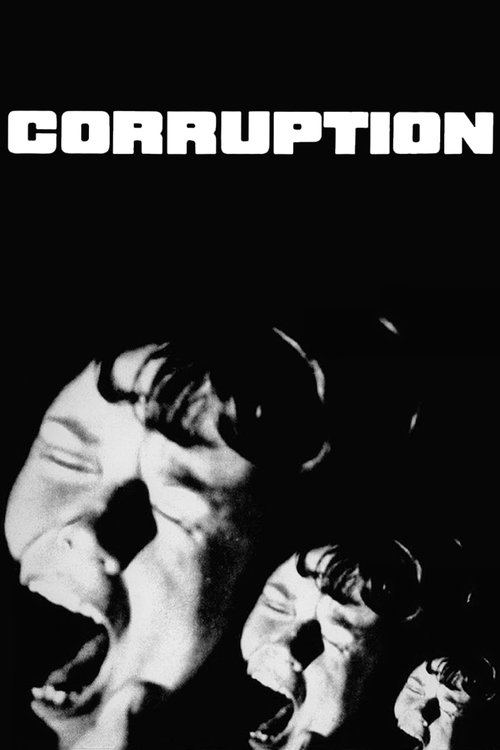
Corruption
1968
No user ratings available yet
Diversity score: 2.4 out of 10
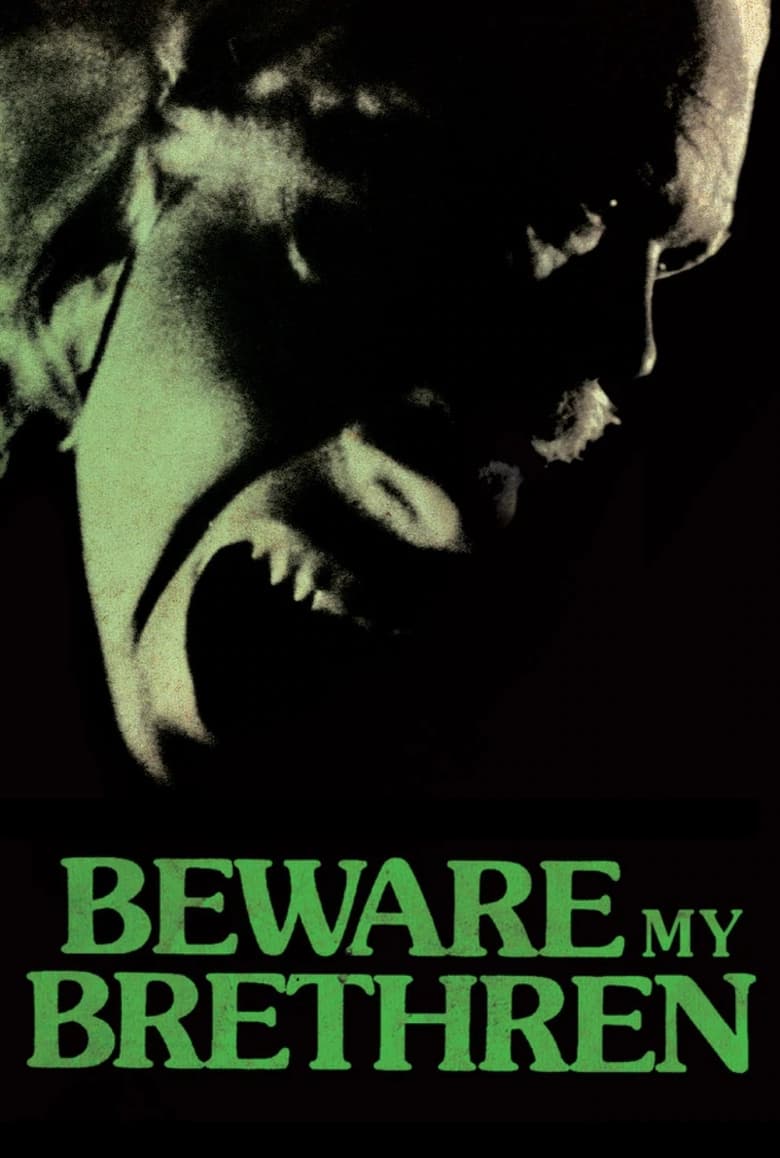
1972
RDirector
Robert Hartford-Davis
Runtime
92 minutes
Average Rating
No ratings yetSynopsis
Led by a sinister minister, a controlling religious sect called the Brethren has taken control of widow Birdy Wemys, sending her unstable son, Kenny, into a spiraling descent into madness and murder. No woman is safe when Kenny's religious mania overpowers him and leads to a rampage of carnage and chaos!
Overall Score
Minimal
Category Breakdown
LGBTQ+ Representation
The film lacks any indication of LGBTQ+ characters or non-cisnormative identities. The narrative focus remains strictly on religious and psychological motivations.
Gender Representation
The story establishes a hierarchy of vulnerability, positioning women as subjects of control. It reinforces traditional roles of female victimhood and masculine volatility.
Racial & Ethnic Diversity
There is no evidence of a diverse or non-Anglo-Saxon cast. Character names and settings imply a conventional Western or British context.
Religious & Cultural Diversity
The Brethren religious sect serves as a catalyst for horror rather than a tool for social critique. The portrayal aligns with tropes depicting organized belief as a source of chaos.
Disability Representation
Kenny's instability is presented without nuanced complexity or agency. Mental health appears to function as a plot device for violence rather than a meaningful exploration.
Strengths
Areas for Improvement
AI Analysis
The Fiend operates as a traditional psychological horror film centered on religious mania and domestic instability. It follows established genre tropes of the 1970s, focusing on individual madness rather than systemic social critique. The narrative architecture prioritizes a singular antagonist and a descent into carnage. This approach results in a film that adheres to conventional cinematic hierarchies rather than subverting them. Ultimately, the work offers minimal intersectional representation. It relies on standard horror dynamics where religious influence and mental instability drive the plot toward chaos.
1968
1966

1988
2022
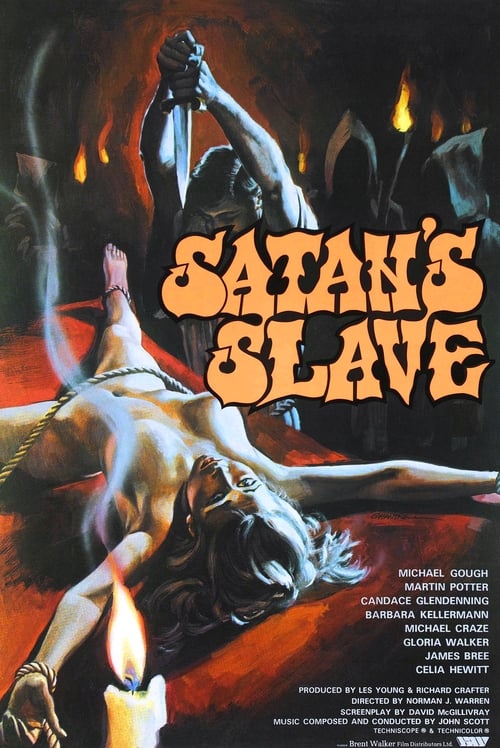
1976
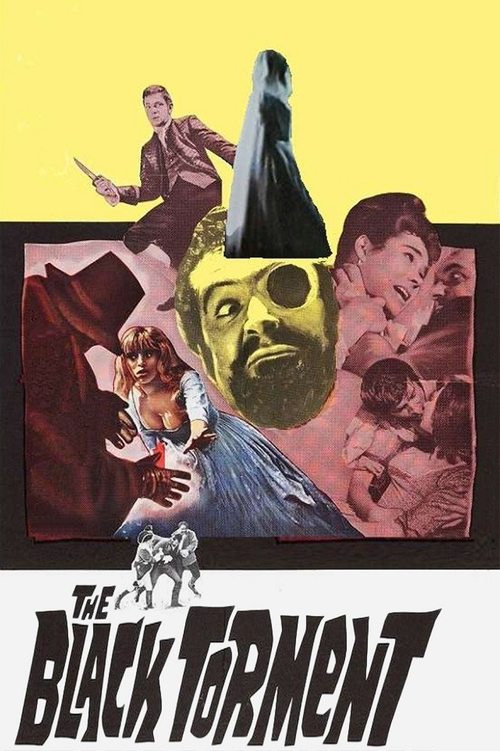
1964
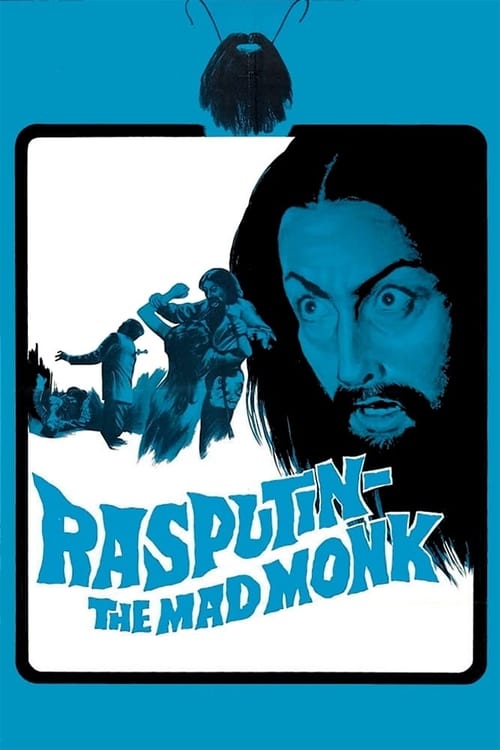
1966
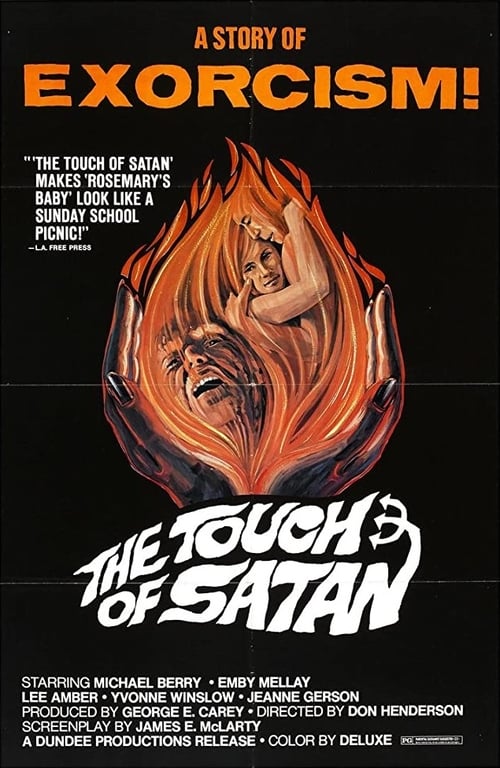
1971
1974
1976
1976
1976
No reviews yet. Be the first to share your thoughts on this movie!
Use the rating form above to leave a star rating and optional review.