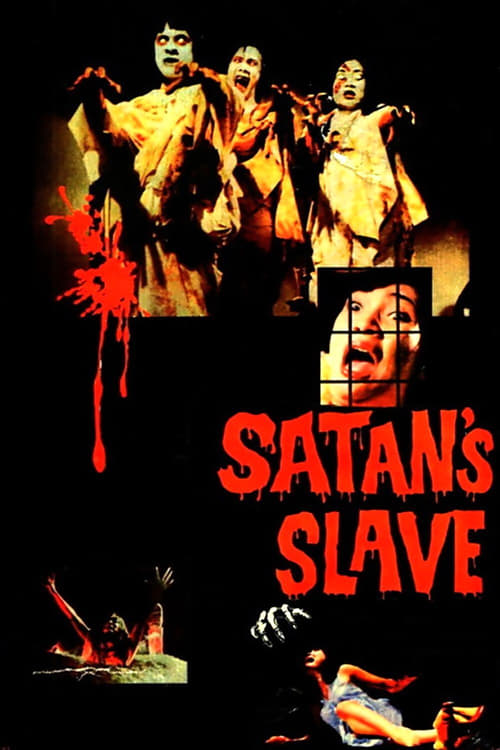
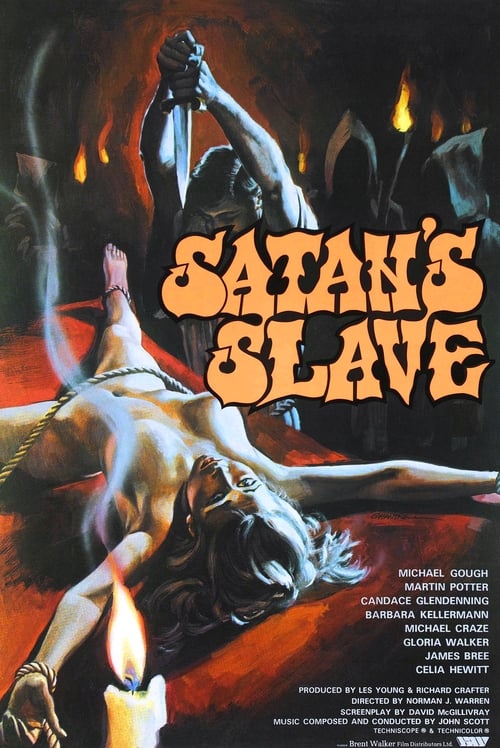
Satan's Slave
1980
No user ratings available yet
Representation score: 3.0 out of 10
Representation Score
Minimal
1976
RDirector
Norman J. Warren
Runtime
90 minutes
Average Rating
No ratings yetNew Showbiz Analysis
Satan's Slave adheres to the traditionalist clichés of 1970s British folk horror, focusing on a localized, homogeneous demographic that lacks social complexity or disruption. The film relies on established genre conventions, such as the 'Final Girl' archetype, which provides a strong female lead but maintains conventional power dynamics. Male figures serve as the primary sources of systemic threat and authority. Ultimately, the narrative lacks representation of diverse identities, focusing instead on a narrow, Anglo-Saxon social landscape and standard moral frameworks.
Category Breakdown
The film does not include any LGBTQ+ characters or narratives. Relationships and interactions are centered around heterosexual family structures and antagonistic roles.
Jane embodies the 'Final Girl' cliché, showing strength through her fight for survival. However, she remains a target of male-driven occult violence, reinforcing traditional gender hierarchies.
The setting and casting reflect a homogeneous demographic typical of a 1970s rural English village. There is no indication of racial or ethnic diversity among the cast members.
Occultism is portrayed as a source of horror without critiquing religious structures. The film upholds a standard moral framework where deviation from norms is considered evil.
No characters with visible or invisible disabilities are central to the story. There are no depictions of neurodivergence or physical impairments used as character drivers.
Present on Screen
Limited or Absent
Official Synopsis
A young girl is caught up in a devil cult run by her wicked uncle and cousin. She can trust no one and even those she thought were dead return to haunt her.
1980
1977
1979

1977
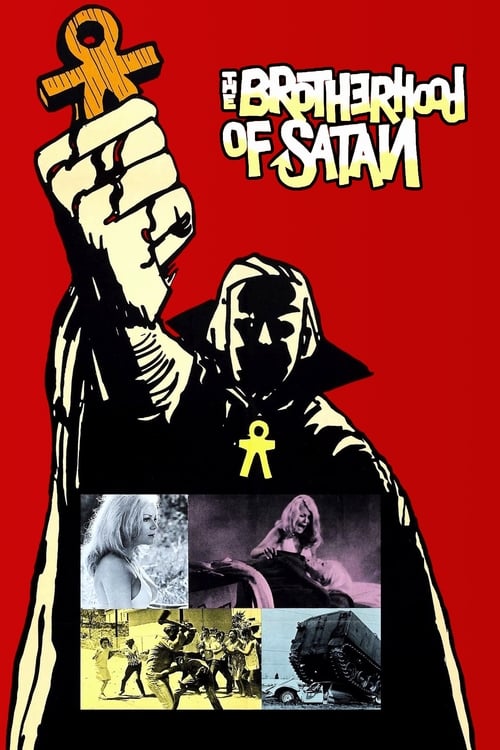
1971
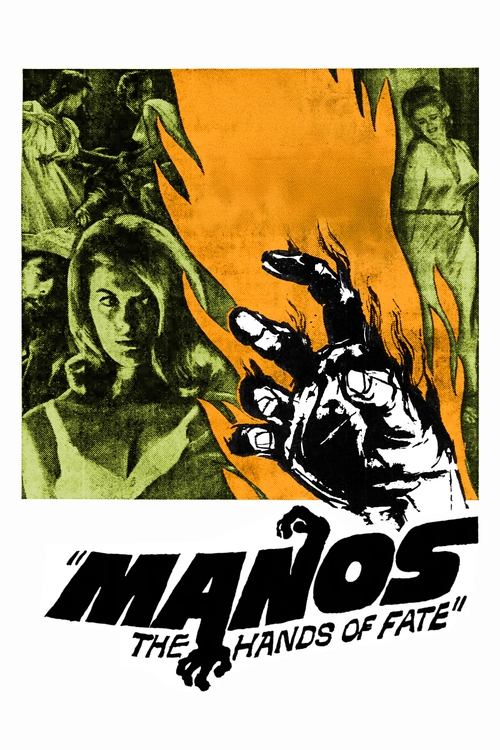
1966
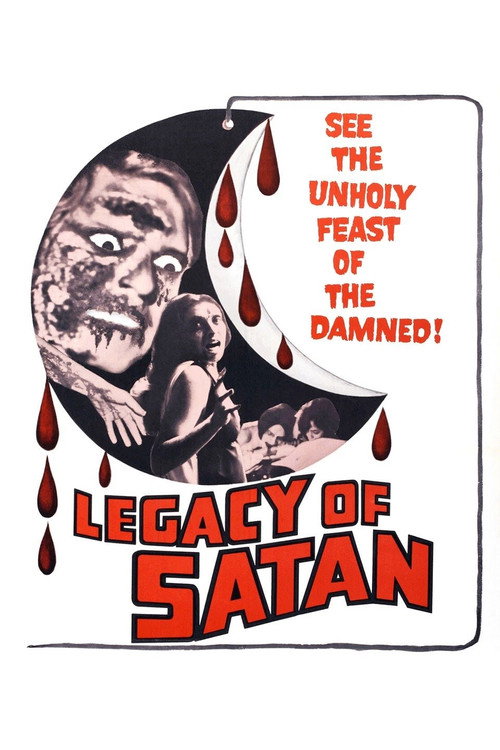
1974
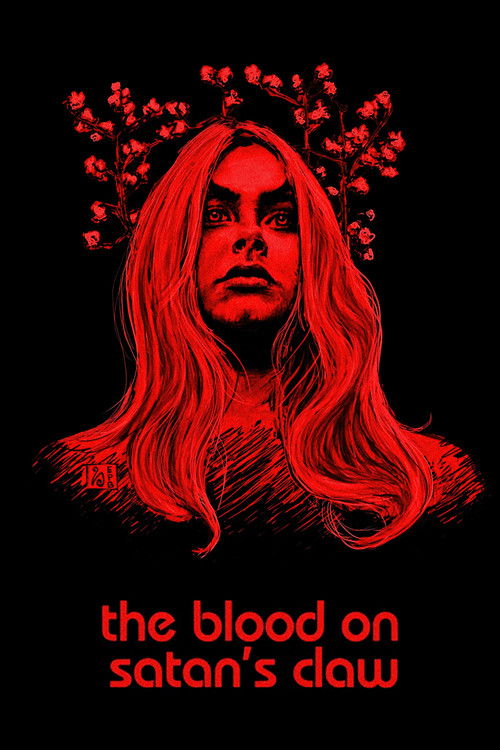
1971
No reviews yet. Be the first to share your thoughts on this movie!
Use the rating form above to leave a star rating and optional review.