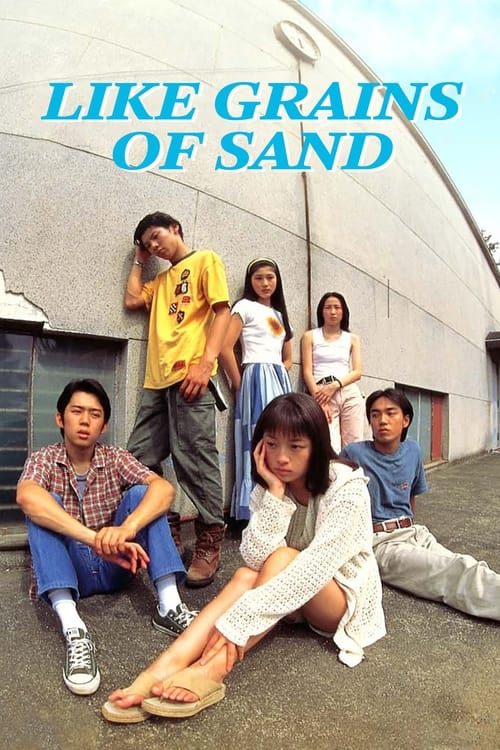
Like Grains of Sand
1995
No user ratings available yet
Representation score: 5.2 out of 10

Representation Score
Limited
1991
Director
Hitoshi Yazaki
Runtime
118 minutes
Average Rating
No ratings yetNew Showbiz Analysis
Hitoshi Yazaki’s drama emphasizes psychological depth and atmospheric storytelling rather than social activism. The film employs non-linear techniques, such as Polaroids and voice-overs, to explore the subjective experience of childhood memories and interpersonal bonds. Although the narrative structure is sophisticated, it relies on conventional dramatic clichés. The film does not overtly challenge systemic hierarchies or multi-layered complexities, focusing instead on character-driven storytelling of early human connections. Ultimately, the work prioritizes internal landscapes and memory over intentional social subversion, resulting in a traditional dramatic framework.
Category Breakdown
The film includes a scene where a brother and sister declare their marriage as children. Apart from this, there are no clear representations of LGBTQ identities or characters exploring non-traditional gender roles.
A female voice-over introduces the story, indicating a focus on the female perspective. However, the film does not actively challenge traditional gender roles or patriarchal structures.
The production seems to stay within a specific cultural context. There is no indication of diverse casting or efforts to include various ethnic backgrounds.
The story uses memories to explore personal history. It does not explicitly address anti-Western or anti-capitalist themes.
The film does not depict physical disabilities, neurodivergence, or mental health conditions.
Present on Screen
Limited or Absent
Official Synopsis
Set in Tokyo, Ice brings her amnesiac older brother Haruo home from the hospital to care for him. He is reluctant to go, until Ice tells him that she is his lover. Since he has no memory of his sister Ice, he obliges her. How long until his memory returns?
1995

2000
1995

1998

2012
2005

2006

1985
No reviews yet. Be the first to share your thoughts on this movie!
Use the rating form above to leave a star rating and optional review.