
Midori
1996
No user ratings available yet
Representation score: 8.4 out of 10
Representation Score
Fair
1995
Director
Ryosuke Hashiguchi
Runtime
129 minutes
Average Rating
No ratings yetNew Showbiz Analysis
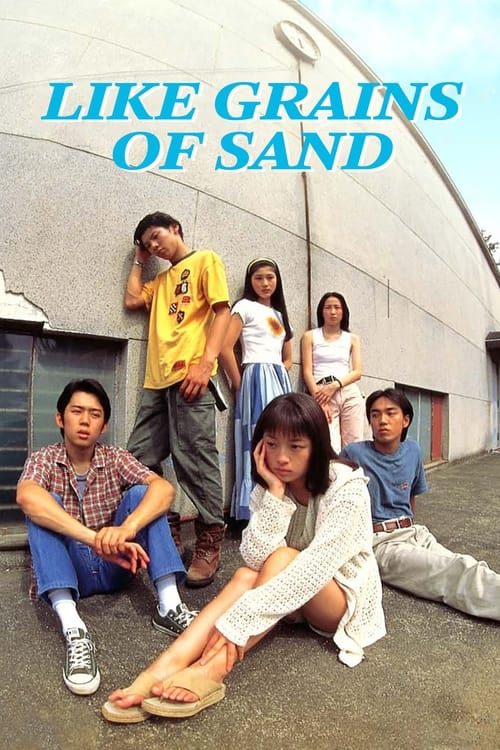
Like Grains of Sand is a nuanced character study that prioritizes psychological realism over formulaic storytelling. Its primary strength lies in disrupting traditional gender norms by focusing on a male-to-male emotional arc through a minimalist lens. However, the film remains limited by its homogeneous setting. Focusing on a localized Japanese experience means it lacks significant racial or ethnic diversity and does not represent disabilities. Ultimately, the film succeeds as a deconstruction of traditional social cohesion, offering a meaningful departure from mainstream coming-of-age narratives through its fragmented, postmodern approach.
Category Breakdown
The film focuses on Shuji's feelings for his friend Hiroyuki, presenting a realistic and subtle portrayal of male-to-male attraction. It avoids melodramatic Western clichés, emphasizing internal desires instead.
The narrative explores adolescent power dynamics through emotional vulnerability rather than traditional masculine roles. It favors fluid, character-driven relationships over rigid gender norms.
Set in a contemporary Japanese context, the film portrays a largely homogeneous social environment. It focuses on a localized urban experience without exploring racial or ethnic diversity.
The episodic structure critiques traditional morality by prioritizing everyday experiences. It presents a secular, individualistic worldview that breaks down cohesive social structures.
There is no documented evidence regarding the portrayal of visible or invisible disabilities within the film.
Present on Screen
Limited or Absent
Official Synopsis
A coming-of-age story. Shuji, a Japanese teen, is falling in love with his friend Hiroyuki, however, Hiroyuki is attracted to Kasane, the new girl in their class.
1996

2004

1993

2010

2003

2006

2003
2005
No reviews yet. Be the first to share your thoughts on this movie!
Use the rating form above to leave a star rating and optional review.