
Gloss
2007
No user ratings available yet
Representation score: 5.2 out of 10
Representation Score
Good
1966
Not RatedDirector
William Klein
Runtime
103 minutes
Average Rating
No ratings yetNew Showbiz Analysis
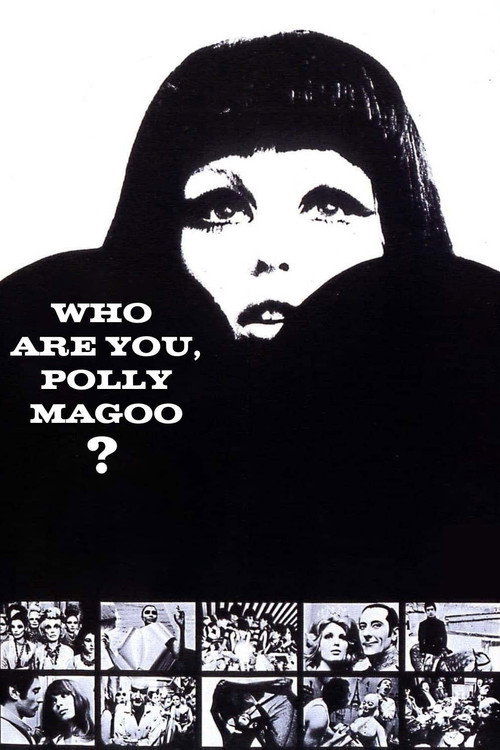
William Klein’s satire is a sophisticated deconstruction of the mid-century media apparatus. It uses a surrealist lens to critique how the fashion industry commodifies human identity and reinforces exploitative power dynamics. While the film provides a progressive critique of Western capitalism and the 'spectacle,' it remains limited by the demographic norms of its era. It lacks explicit representation of LGBTQ+ identities and racial diversity. Ultimately, the film's strength lies in its thematic critique, subverting traditional power structures by portraying the male-dominated media machine as a hollow, frenetic force.
Category Breakdown
The film adheres to the conventions of the 1960s fashion industry, which assumes everyone is straight and cisgender. There are no characters with non-traditional gender identities or same-sex romantic relationships.
The narrative challenges traditional gender hierarchies by focusing on the psychological impact of the male gaze. It criticizes the predatory nature of a male-dominated media machine.
The cast reflects a cosmopolitan Parisian atmosphere, yet the visual language remains centered on Western fashion standards. Race is not used as a primary narrative driver.
The film excels in its critique of capitalist consumerism and the media spectacle. It portrays Western institutions as absurd, mechanical, and inherently exploitative through a postmodern lens.
There are no characters with visible or invisible disabilities. The plot focuses strictly on the socioeconomic elite and the psychological pressures of fame.
Present on Screen
Limited or Absent
Official Synopsis
A model tells a television crew about her dreams of a life with prince charming all while fending off the lecherous advances of a horde of men.
2007
1967

2001

1974

2000
1957

2016
1965
No reviews yet. Be the first to share your thoughts on this movie!
Use the rating form above to leave a star rating and optional review.