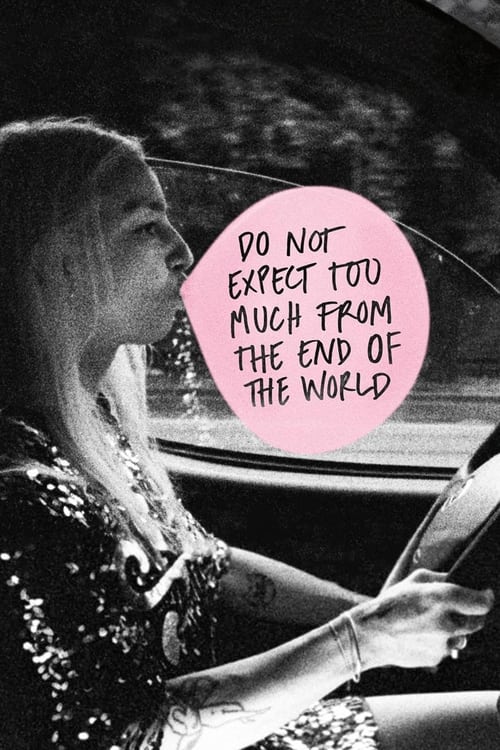
Do Not Expect Too Much from the End of the World
2023
No user ratings available yet
Representation score: 7.0 out of 10

Representation Score
Good
2009
Director
Radu Jude
Runtime
99 minutes
Average Rating
No ratings yetNew Showbiz Analysis
Radu Jude’s satire provides a deep psychological look at a society influenced by consumerism and systemic corruption. While the film excels at critiquing institutional norms and the performative nature of social interactions, it lacks broad demographic representation. The narrative’s strength lies in its critique of societal norms and the performative nature of social interaction. However, the film remains focused on a specific socioeconomic critique, resulting in a narrow demographic scope.
Category Breakdown
The film does not include explicit LGBTQ+ characters or storylines. It also does not provide critiques of the assumption that everyone is straight or cisgender.
The story focuses on a female protagonist navigating restrictive social environments. It delves into the psychological pressures and the need for performative happiness imposed on women in a controlled society.
The cast is primarily made up of actors from similar backgrounds, reflecting the specific Romanian context. The film does not use diverse casting to explore broader themes of identity overlap.
The film offers a sharp critique of consumerism and capitalist desires within a totalitarian framework. It effectively highlights social hierarchies and the absurdity of state-driven ethics.
There are no characters with visible or invisible disabilities playing central roles. The focus remains on the protagonist's psychological and social environment.
Present on Screen
Limited or Absent
Official Synopsis
Delia, a young Romanian girl, comes to Bucharest with her parents to collect a prize she has won in a contest organized by a soft-drinks company. The prize is a beautiful new car. All Delia has to do now is appear in front of the camera in a commercial. All goes well until it becomes clear that Delia and her parents have very different ideas about what to do with the new car. Meanwhile, the contest's sponsor needs a radiant prize-winner with a gleaming smile. A wicked satire and a psychological portrait of a society perverted by its slavery to capitalism and consumerism
2023

1967

2007

2011
1998

2016

2023
1991
No reviews yet. Be the first to share your thoughts on this movie!
Use the rating form above to leave a star rating and optional review.