
Before Night Falls
2000
No user ratings available yet
Representation score: 6.5 out of 10
Representation Score
Good
2004
RDirector
Mick Davis
Runtime
128 minutes
Average Rating
No ratings yetNew Showbiz Analysis
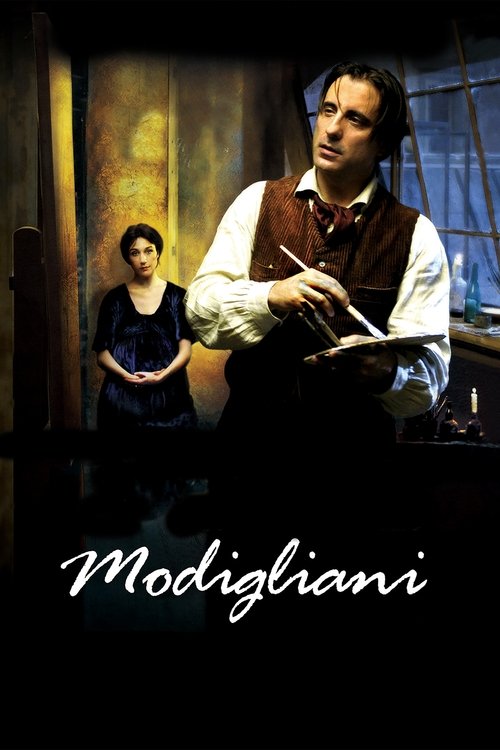
Modigliani focuses on the conflict between individual expression and societal constraints, emphasizing the protagonist's psychological journey over traditional biography. The film critiques systemic hierarchies, especially religious and familial structures. However, it relies on clichés, particularly those related to mental health and the 'muse' archetype. It lacks explicit LGBTQ+ representation, staying within traditional gender norms.
Category Breakdown
The film follows the traditional romantic pairing of Modigliani and Jeanne, without including any characters with non-traditional gender identities.
Jeanne Héloïse plays a significant role in the romantic storyline, showing strong emotional ability to act. Masculinity is portrayed through addiction and non-conformity.
The film uses the diverse cultural environment of Montparnasse to explore ethnic identity. The protagonist, an Italian Jew, navigates his identity within Western Europe.
The film critiques religious and familial institutions as controlling forces. It also examines the tension between the artist and the commercial art market.
Mental health and neurodivergence are explored through the 'tortured artist' archetype, serving as dramatic devices rather than detailed representations.
Present on Screen
Limited or Absent
Official Synopsis
Set in Paris in 1919, biopic centers on the life of late Italian artist Amedeo Modigliani, focusing on his last days as well as his rivalry with Pablo Picasso. Modigliani, a Jew, has fallen in love with Jeanne, a young and beautiful Catholic girl. The couple has an illegitimate child, and Jeanne's bigoted parents send the baby to a faraway convent to be raised by nuns.
2000

1991

2018

1937
1958

1986
1995

1996
No reviews yet. Be the first to share your thoughts on this movie!
Use the rating form above to leave a star rating and optional review.