Ladies in Black
2018
No user ratings available yet
Diversity score: 5.7 out of 10
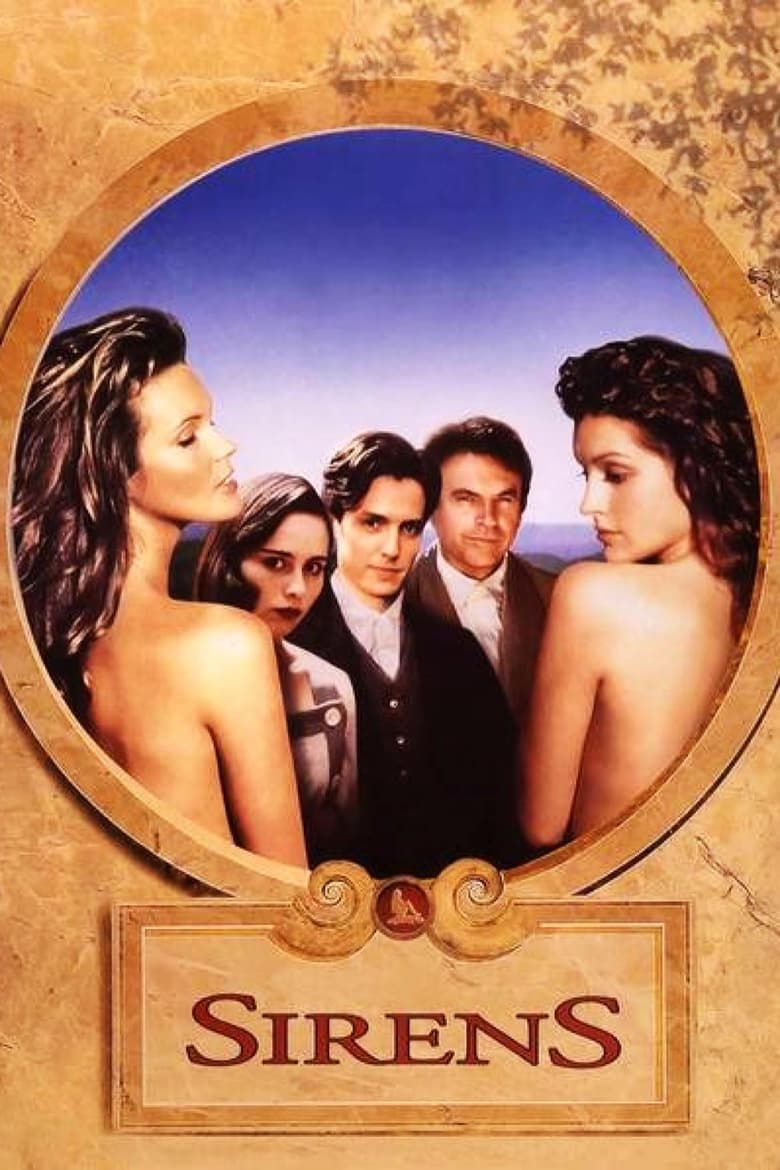
1994
RDirector
John Duigan
Runtime
98 minutes
Average Rating
No ratings yetSynopsis
In 1930s Australia, Anglican clergyman Anthony Campion and his prim wife, Estella, are asked to visit noted painter Norman Lindsay, whose planned contribution to an international art exhibit is considered blasphemous. While Campion and Lindsay debate, Estella finds herself drawn to the three beautiful models sitting for the painter's current work, freethinking Sheela, sensual Pru and virginal Giddy.
Overall Score
Good
Category Breakdown
LGBTQ+ Representation
The story centers on heteronormative romantic tensions and sexual awakening. It lacks explicit depictions of same-sex intimacy or LGBTQ+ identities, remaining within conventional romantic frameworks.
Gender Representation
Female characters drive the emotional momentum, often challenging patriarchal structures. The film subverts traditional domestic roles by presenting women who operate outside of prim societal expectations.
Racial & Ethnic Diversity
The narrative focuses on a relatively homogeneous social circle within its historical Australian setting. It does not prioritize intersectional racial diversity or non-Anglo-Saxon perspectives.
Religious & Cultural Diversity
The film critiques Western institutions by pitting organized religion against secular artistic expression. It favors moral relativism and artistic freedom over rigid religious or societal morality.
Disability Representation
There is no significant or meaningful depiction of visible or invisible disabilities that impact the narrative arc.
Strengths
Areas for Improvement
AI Analysis
Sirens is a study of social transgression that prioritizes emotional authenticity over rigid social structures. It succeeds in deconstructing traditional authority and the nuclear family unit through its focus on bohemian lifestyles. However, the film lacks significant intersectional depth. The narrative remains largely centered on a homogeneous social group and conventional romantic frameworks, missing opportunities for broader racial and LGBTQ+ representation. Ultimately, the film's progressive value lies in its subversion of mid-century social norms, replacing strict moralism with a fluid exploration of human experience.
2018
2015
1989
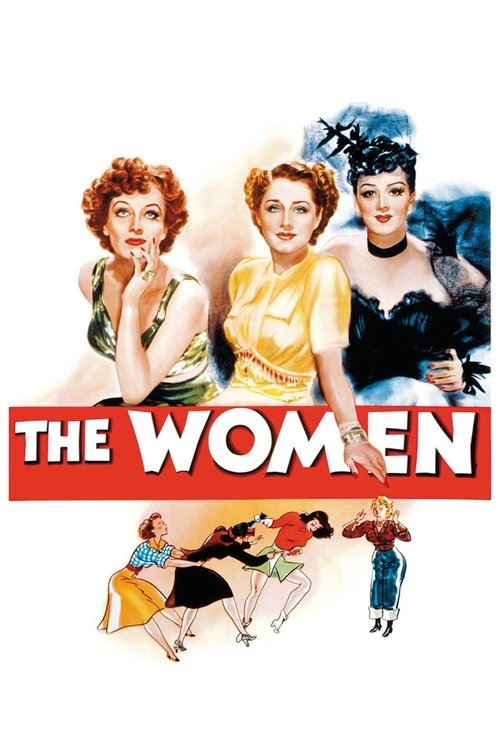
1939
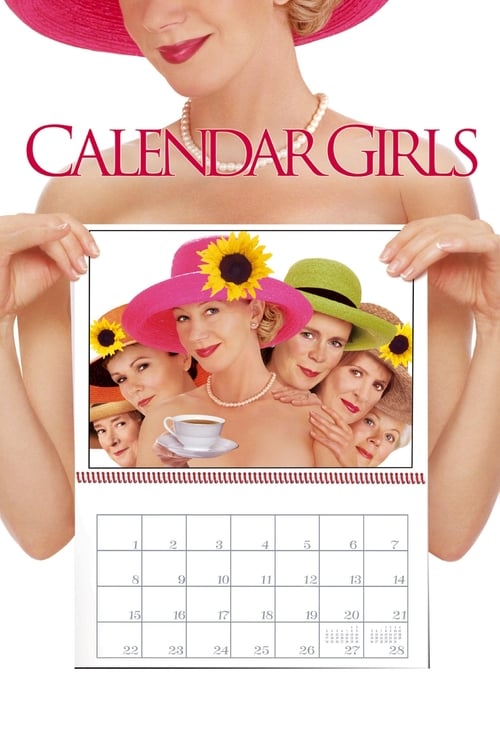
2003

1962

2014
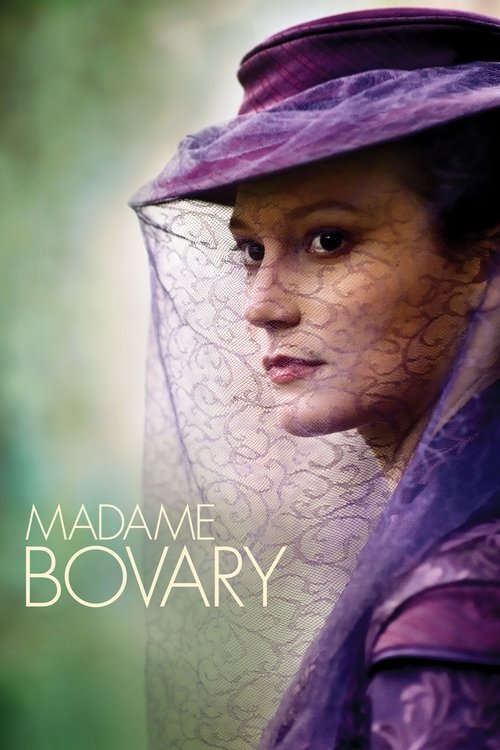
2015
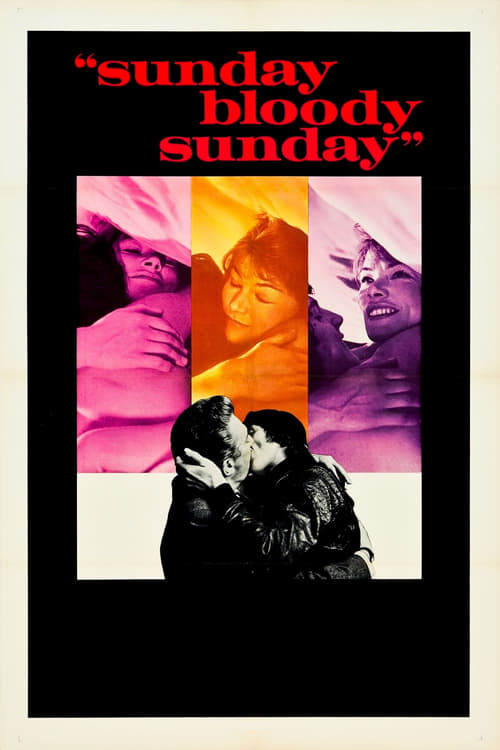
1971
1989
2000

2013
No reviews yet. Be the first to share your thoughts on this movie!
Use the rating form above to leave a star rating and optional review.