Sylvia
2003
No user ratings available yet
Representation score: 6.4 out of 10
Representation Score
Fair
2013
Not RatedDirector
Christopher Menaul
Runtime
101 minutes
Average Rating
No ratings yetNew Showbiz Analysis
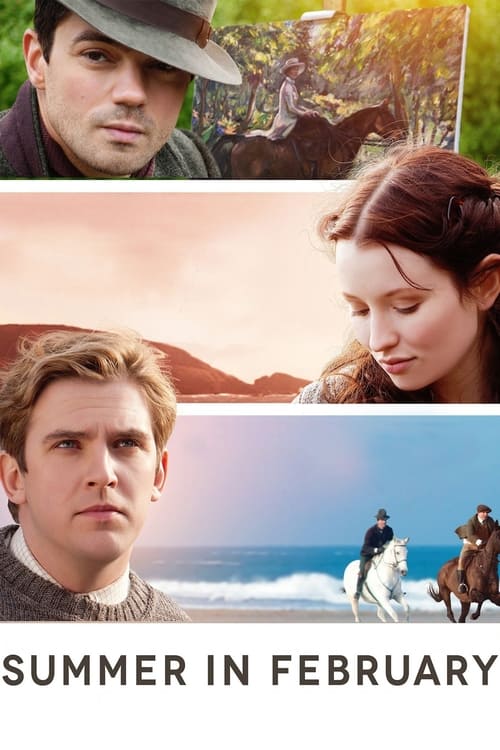
Summer in February stands out as a character-driven film that challenges the rigid social structures of its time. By focusing on the bohemian Lamorna Group, the film moves beyond typical period pieces to examine individual ability to act and complex interpersonal relationships. The film's strength lies in its portrayal of women as active participants with professional ambitions, rather than passive figures. This approach offers a nuanced look at the interplay between personal passion and societal expectations. However, the film's historical context limits its scope. It lacks racial diversity and explicit LGBTQ+ representation, which are reflective of the specific Anglo-Saxon environment of the Newlyn School.
Category Breakdown
The film focuses on a heterosexual love triangle involving Florence, Gilbert, and Alfred. It explores bohemian lifestyles but does not include explicit queer narratives or non-traditional gender identities.
Florence Carter-Wood is portrayed as an aspiring artist with professional goals rather than a passive figure. The film highlights her active role and intellectual independence, challenging the traditional roles of women in Edwardian society.
The cast is primarily Anglo-Saxon, reflecting the historical makeup of the early 20th-century Cornish art scene. It lacks significant racial diversity but captures the disruptive influence of the Lamorna Group.
The narrative contrasts the bohemian Lamorna Group with the strict moral codes of Victorian and Edwardian times. It uses artistic tension to explore the breakdown of traditional Western values.
There are no prominent depictions of physical or cognitive disabilities that play central roles in this period drama.
Present on Screen
Limited or Absent
Official Synopsis
The Newlyn School of artists flourished at the beginning of the 20th Century and the film focuses on the wild and bohemian Lamorna Group, which included Alfred Munnings and Laura and Harold Knight. The incendiary anti-Modernist Munnings, now regarded as one of Britain's most sought-after artists, is at the centre of the complex love triangle, involving aspiring artist Florence Carter-Wood and Gilbert Evans, the land agent in charge of the Lamorna Valley estate. True - and deeply moving - the story is played out against the timeless beauty of the Cornish coast, in the approaching shadow of The Great War.
2003
2012
1995
2015
2016
2008
2019
2012
No reviews yet. Be the first to share your thoughts on this movie!
Use the rating form above to leave a star rating and optional review.