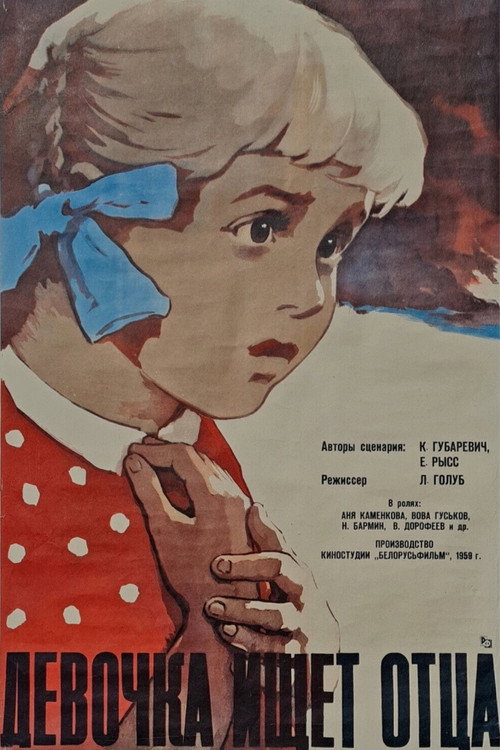
Girl Seeks Father
1959
No user ratings available yet
Representation score: 4.1 out of 10
Representation Score
Fair
1955
Director
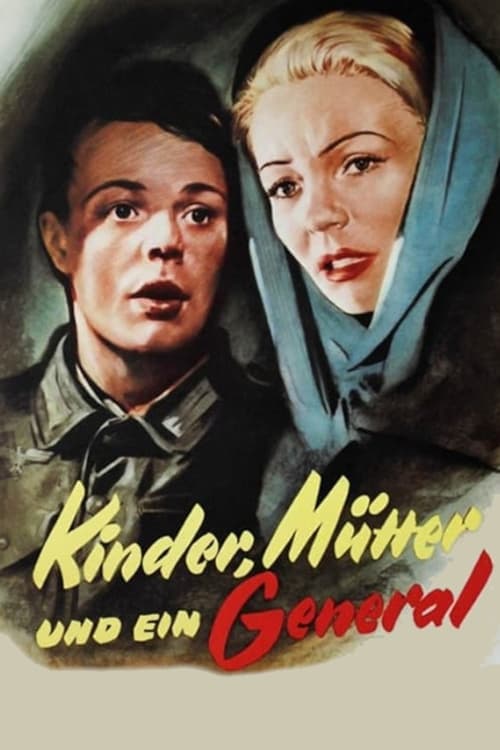
László Benedek
Runtime
110 minutes
Average Rating
No ratings yetNew Showbiz Analysis
The film serves as a study of gendered ability to act and systemic change during wartime. It successfully shifts the focus of leadership to women, emphasizing their role in survival. However, the work is limited by its lack of diverse representation. It focuses on a homogeneous population, offering little representation for LGBTQ+ identities or ethnic diversity. Ultimately, the film's strength lies in its portrayal of the working class and its critique of traditional social and political structures during a period of significant political transformation.
Category Breakdown
The film does not include any LGBTQ+ characters or themes. It centers on the biological family unit and traditional social structures of the time.
The story challenges traditional gender roles by focusing on the experiences of mothers as the main drivers of survival and empowerment. Male figures are largely absent due to war.
The film portrays a culturally homogeneous Hungarian population. It reflects the demographic reality of the setting without incorporating diverse ethnic backgrounds.
The narrative critiques traditional hierarchies by documenting the shift towards a socialist framework. It highlights the struggles of the working and peasant classes.
There is no evidence of characters with visible or invisible disabilities playing central roles in the narrative.
Present on Screen
Limited or Absent
Official Synopsis
As Germany's fortunes in the latter part of World War II wane, several young boys, in their enthusiasm to do something "for the fatherland", volunteer to fight with the German army in the East. Horrified at the news that their children left for the Russian front, the boys' mothers begin a desperate effort to get their sons back.
1959
1959

1978
2015
1943

2015

1954

1928
No reviews yet. Be the first to share your thoughts on this movie!
Use the rating form above to leave a star rating and optional review.