Madame
1988
No user ratings available yet
Representation score: 7.8 out of 10
Representation Score
Good
2013
Director
Ayten Amin
Runtime
120 minutes
Average Rating
No ratings yetNew Showbiz Analysis
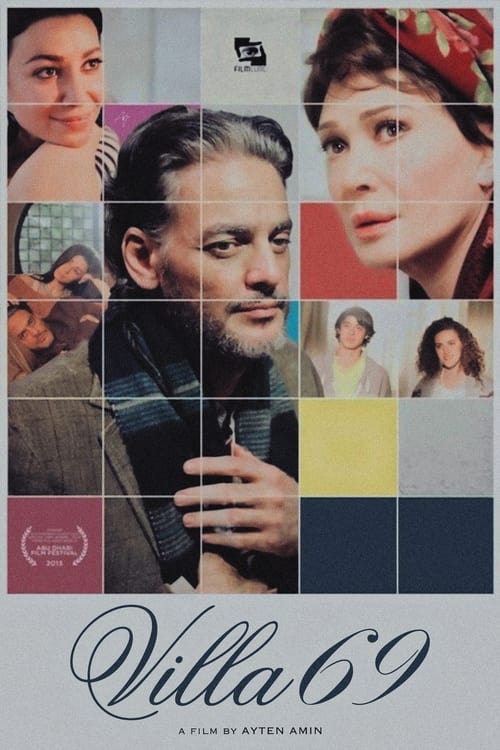
Villa 69 presents a character-driven exploration of non-conformity and the dismantling of traditional family structures. It effectively uses a protagonist's terminal illness to provoke deep reflection on life and love, going beyond simple sympathy. The film excels at challenging social norms by highlighting individual autonomy against conservative expectations. However, it lacks clear representation of specific identity markers such as LGBTQ+ or neurodivergent characters, which limits its scope in those areas.
Category Breakdown
The film features a protagonist who interacts with various female visitors, suggesting a departure from traditional monogamous relationships. Although it doesn't explicitly label the protagonist as LGBTQ+, it hints at a lifestyle that deviates from conventional norms.
The story shifts power dynamics by introducing female characters who challenge the male protagonist's autonomy. This move transitions the narrative from a male-dominated perspective to a more complex social reality influenced by women.
As an Egyptian production, the film reflects the local demographic primarily through internal family dynamics. It focuses on these internal changes rather than showcasing a diverse cast or blending different racial backgrounds.
The film critiques traditional social structures by breaking down the sanctity of the family unit. It prioritizes individual experiences and moral relativism over established institutional or religious doctrines.
Hussein's terminal illness serves as a philosophical catalyst, driving the intellectual and emotional arc of the film rather than just being a tragic element.
Present on Screen
Limited or Absent
Official Synopsis
Hussein is a terminally ill yet charming architect who enjoys a solitary routine in his old family home, and a variety of female visitors. Not realizing his past is about to catch up with him, Hussein's sister and her grandson move into the house, disrupting a well-established lifestyle, and forcing him to re-examine his ideas about life, love, and family.
1988

2005

2016

2021

2014

2001

2005
2014
No reviews yet. Be the first to share your thoughts on this movie!
Use the rating form above to leave a star rating and optional review.