
Martha
2010
No user ratings available yet
Representation score: 6.8 out of 10
Representation Score
Good
1988
Director
Halit Refiğ
Runtime
102 minutes
Average Rating
No ratings yetNew Showbiz Analysis
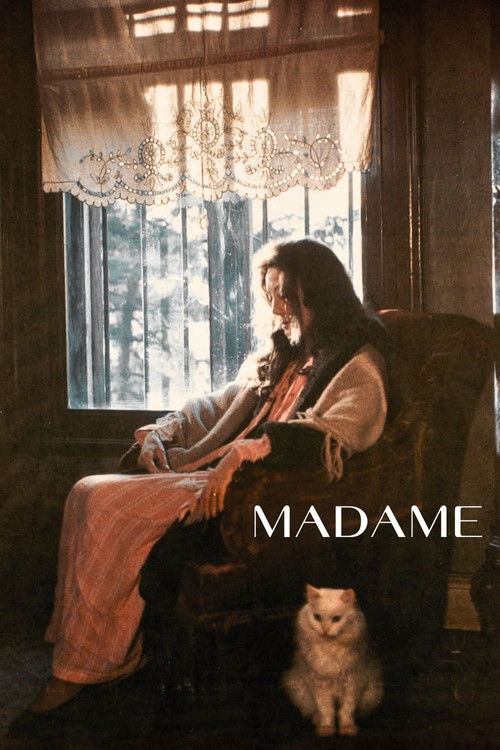
Madame is a significant work of cultural preservation that uses a personal crisis to mirror systemic societal shifts. It prioritizes a post-colonial perspective, examining how rapid, Western-aligned urbanization in Istanbul displaces traditional social structures. The film excels in its cultural critique, resisting Western cultural dominance by centering on localized identity. However, it lacks explicit markers of identity politics, such as LGBTQ+ representation or diverse neurodivergent portrayals, which limits its breadth. Ultimately, the film is a study of individual isolation and the struggle to maintain local values amidst a changing urban landscape. It offers a deep, localized look at Turkish identity during a period of intense social transition.
Category Breakdown
The film focuses on the solitary life of an elderly woman and her pet. There are no queer narratives or representations of non-straight identities in this traditional social setting.
The narrative centers on a female piano teacher who drives the emotional arc through her own actions rather than through relationships with men. She exhibits significant intellectual and emotional autonomy.
The cast reflects a culturally homogeneous Turkish population. The film avoids Western-style multi-ethnic casting to focus on authentic, localized representation of the Turkish social fabric.
The film critiques rapid modernization and the erosion of local identities in Istanbul. It explores the tension between indigenous values and the encroaching influence of Western-style urbanism.
A terminal cancer diagnosis serves as the central catalyst for the protagonist's existential crisis. The condition functions as a narrative device to explore themes of legacy and loneliness.
Present on Screen
Limited or Absent
Official Synopsis
An elderly piano teacher recently diagnosed with terminal cancer lives in fear of death. But her real fear is who will take care of her cat, her only friend, after her death. As she tries to find someone to take care of her cat, the generational clash of the times and the drastically changing urban identity of Istanbul confront her with an unpleasant prospect.
2010

2005
2013

1983
2018

2001

2015
2018
No reviews yet. Be the first to share your thoughts on this movie!
Use the rating form above to leave a star rating and optional review.