
Peaceful
2021
No user ratings available yet
Representation score: 8.4 out of 10

Representation Score
Good
2014
Director
Lars Kraume
Runtime
88 minutes
Average Rating
No ratings yetNew Showbiz Analysis
Lars Kraume’s drama succeeds by centering the narrative on the intellectual and emotional lives of its female protagonists. By focusing on the three sisters, the film challenges traditional male-centric structures and explores complex domestic tensions caused by medical crises. The film's strongest contribution is its sophisticated treatment of disability. Linda is not a passive victim; her condition drives the story's philosophical inquiries and her active pursuit of meaningful connections. However, the film lacks breadth in terms of racial and LGBTQ+ representation. The focus remains on a localized, seemingly homogeneous European family unit, which limits its reach in reflecting diverse experiences.
Category Breakdown
The narrative focuses primarily on the existential crisis of the protagonist and her sibling bonds. There is no explicit evidence of queer identities or non-straight relationships within the plot.
The film centers entirely on the roles and internal lives of three women. It avoids clichés that depict women as submissive, instead exploring the psychological effort needed to maintain family cohesion during a crisis.
The story appears to be a localized European drama centered on a specific familial unit. The cast seems to reflect a homogeneous demographic typical of contemporary German realist cinema.
The film prioritizes subjective experience and existentialism over rigid religious frameworks. The journey from a family home to Paris suggests a movement toward a more fluid, secular exploration of life.
Linda is portrayed with significant autonomy despite her congenital heart defect. Her illness serves as a philosophical catalyst rather than a tool for inspiration or passive suffering.
Present on Screen
Limited or Absent
Official Synopsis
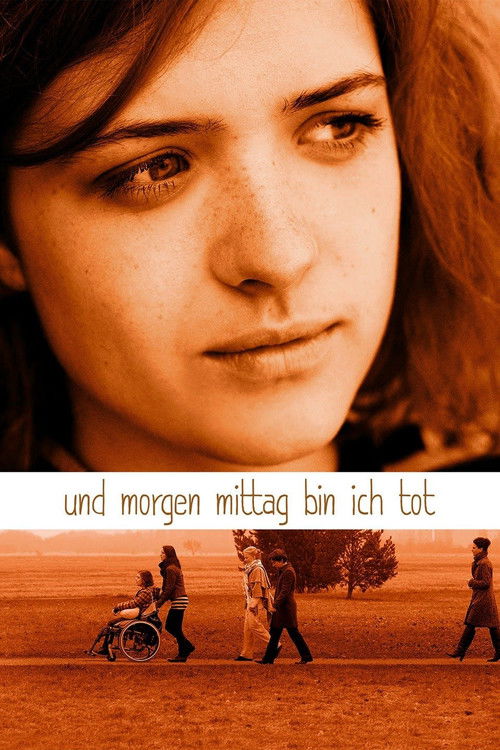
How should you spend your time if your days are numbered? This is the question facing Linda, a young woman suffering from a congenital heart defect. Contrary to her doctors’ expectations she has managed to survive to celebrate her thirtieth birthday, but with an operation looming, Linda nonetheless feels a deep need to spend what might be her last weekend with her two sisters: Katharina who is older, and Clara who is younger than her. Linda must use their journey, which begins at their family’s weekend house and ends in Paris, to examine the ways in which her family has been fundamentally affected by her illness; she must also consider how much she can expect from herself and her sisters – faced as they are with the possibility of her death.
2021

2005

2016

2016
2014

2001

2016
2003
No reviews yet. Be the first to share your thoughts on this movie!
Use the rating form above to leave a star rating and optional review.