Country Teachers
1994
No user ratings available yet
Representation score: 3.5 out of 10
Representation Score
Limited
1961
Director
Shin Sang-ok
Runtime
142 minutes
Average Rating
No ratings yetNew Showbiz Analysis
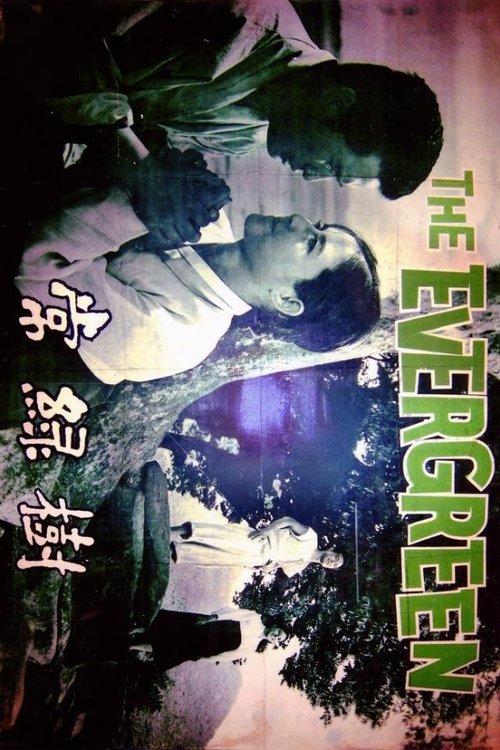
The Evergreen examines the tension between traditional farming communities and the push for intellectual progress. It centers on the disruption of old hierarchies through modern educational systems. Despite the lack of contemporary representations such as LGBTQ+ or disability inclusion, the film advances progressive ideals through its emphasis on systemic improvement. It portrays the pursuit of knowledge as a means to transform society, challenging the status quo to create a more modern community.
Category Breakdown
The film does not include any LGBTQ+ characters or stories that go beyond the assumption that everyone is straight or cisgender. The plot focuses solely on the educational journey of the main characters.
Yeong-shin is a key figure who demonstrates intellectual leadership. Her role in founding a school challenges the typical portrayal of women in mid-century dramas, which often confine women to domestic roles.
The film features a cast that is culturally uniform, representing Korean identity and the role of individuals during a time of national change. However, it does not show diverse racial backgrounds.
The story criticizes closed-minded village traditions by promoting modernization over outdated customs. The main characters work to bring about a more progressive, knowledge-driven community.
The film does not provide any specific details about characters with physical or neurological differences.
Present on Screen
Limited or Absent
Official Synopsis
Yeong-shin and Dong-hyuk graduate from college with a cause. They plan to bring education and modernization to farmers living in the rural area of their hometown. When they arrive, the pair immediately get to work, Dong-hyuk builds a village hall and starts aiding the farmers while Yeong-shin tries to gather the children to form a school. However, the villagers at first resent and resist the pair. It is not until one child, Ok-bun, takes the initiative and and learns to read under Yeong-shin’s care that the villages trust the pair and allow their children to be taken from the fields and taught reading, writing and math.
1994

1999

1981
1936
1974
2010
1987
1965
No reviews yet. Be the first to share your thoughts on this movie!
Use the rating form above to leave a star rating and optional review.