
Courage for Every Day
1965
No user ratings available yet
Representation score: 3.8 out of 10

Representation Score
Fair
1986
Director
Nadav Levitan
Runtime
95 minutes
Average Rating
No ratings yetNew Showbiz Analysis
Stalin's Disciples is a period drama that prioritizes ideological and sociological themes over explicit demographic representation. The film functions as a study of collective identity and the fragility of socialist structures during a time of political transition. The narrative strength lies in its critique of centralized authority and the breakdown of traditional hierarchies. However, the film lacks visible evidence of multi-layered casting or diverse ethnic representation. The focus remains heavily on the specific socio-political landscape of the 1950s Israeli Kibbutz movement.
Category Breakdown
The film does not include any explicit depictions of LGBTQ+ identities or romantic subplots. Although the communal setting of the Kibbutz offers potential for subtle explorations, there are no confirmed non-straight storylines.
The story focuses on the disruption of established social hierarchies after the loss of a central leader. This shift towards collective decision-making challenges traditional patriarchal structures.
The story is deeply rooted in the specific socio-political context of the Israeli Kibbutz movement. It appears focused on ideological struggles rather than significant racial or ethnic blending.
The film provides a strong critique of centralized political institutions and Stalinist ideology. It explores the deconstruction of established power structures and the search for meaning within a community.
There is no evidence regarding the portrayal of physical or neurodivergent characters in the narrative.
Present on Screen
Limited or Absent
Official Synopsis
A comical exploration of the 50's in the Israeli Kibutz movement, when socialist values were reexamined following the death of Stalin. With their mentor and iconic leader gone, the members of the Kibutz have to face a political and social reality without a leader to encourage and unite them.
1965

1985

1978

1971

1990

1981
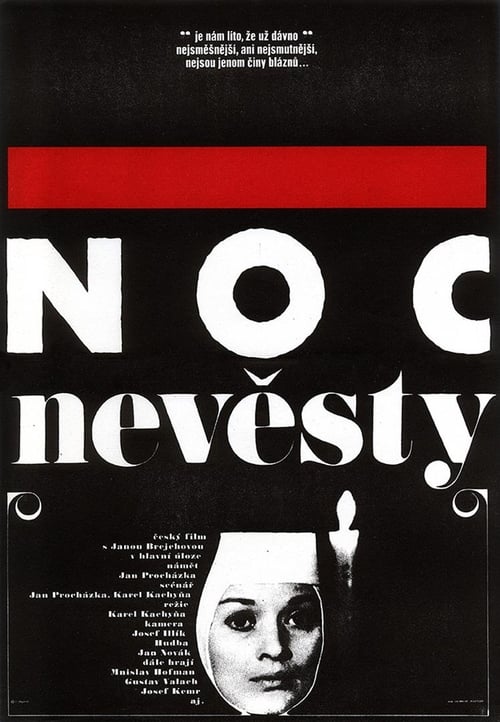
1967

1978
No reviews yet. Be the first to share your thoughts on this movie!
Use the rating form above to leave a star rating and optional review.