
The Love Department
1935
No user ratings available yet
Representation score: 0.4 out of 10
Representation Score
Minimal
1930
ApprovedDirector
Roy Mack
Runtime
12 minutes
Average Rating
No ratings yetNew Showbiz Analysis
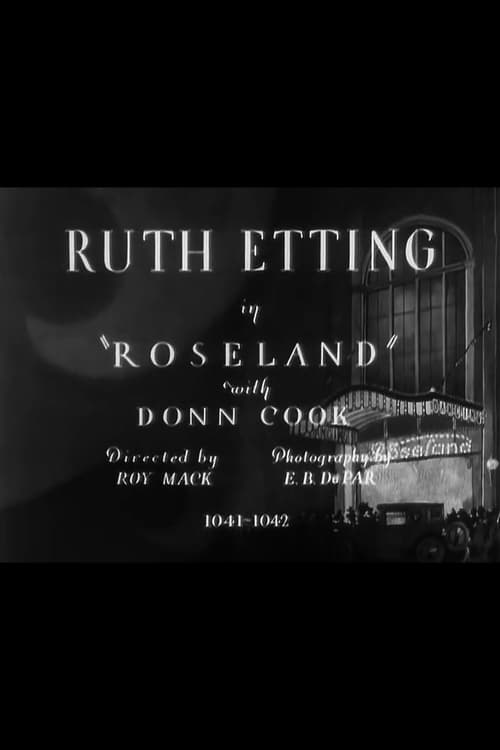
Roseland adheres to the rigid social and narrative hierarchies of the early 1930s. The film follows standard studio-era genre conventions rather than attempting any progressive disruption of systemic norms. The narrative is driven by a traditional romance, focusing on a dance hall girl's search for a partner. This structure prioritizes conventional courtship over complex character roles or diverse identities. Ultimately, the film serves as escapist entertainment that reinforces the status quo of its era. It lacks representation of diverse identities, disabilities, or non-straight-centered perspectives.
Category Breakdown
The film does not include any characters with non-straight or non-cisgender identities. The plot revolves around a traditional romance focused on heterosexual relationships.
While the story centers on a female protagonist, her role is tied to finding a male partner. This suggests a traditional structure where a woman's fulfillment is defined by romantic success.
The film likely reflects the era's standard of racial homogeneity. There is no evidence of diverse ensemble casts or actors from different racial backgrounds.
The premise aligns with early 20th-century musical clichés that reinforce traditional social structures. It functions as standard escapist entertainment without challenging Western institutions.
There is no evidence of neurodivergent or physically disabled characters. Disability is not used as a narrative element in this work.
Present on Screen
Limited or Absent
Official Synopsis
A pretty dance hall girl is looking for the right guy.
1935
1955
1931
1933
1935
1933
1934
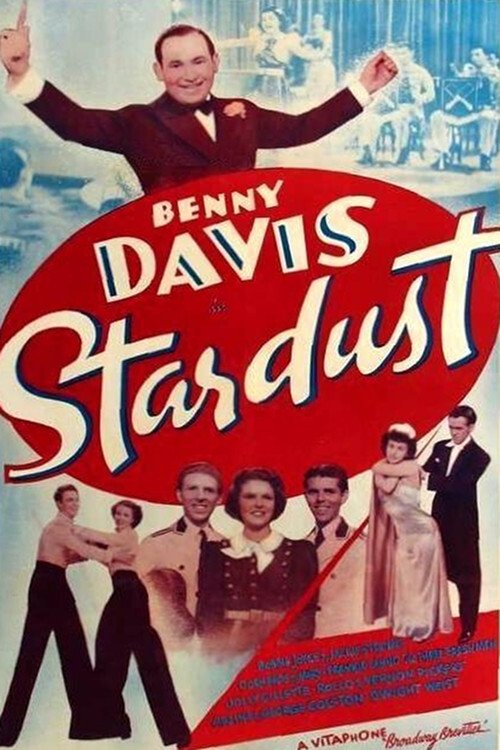
1938
No reviews yet. Be the first to share your thoughts on this movie!
Use the rating form above to leave a star rating and optional review.