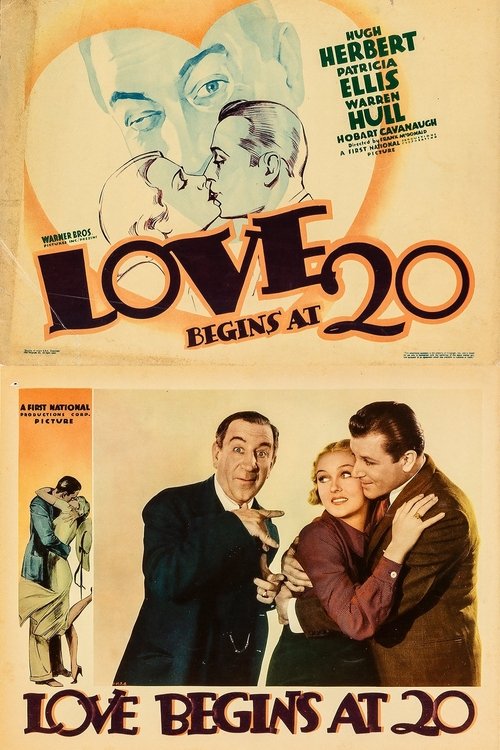
Love Begins at Twenty
1936
No user ratings available yet
Representation score: 1.1 out of 10
Representation Score
Minimal
1934
PassedDirector
Ralph Murphy
Runtime
74 minutes
Average Rating
No ratings yetNew Showbiz Analysis
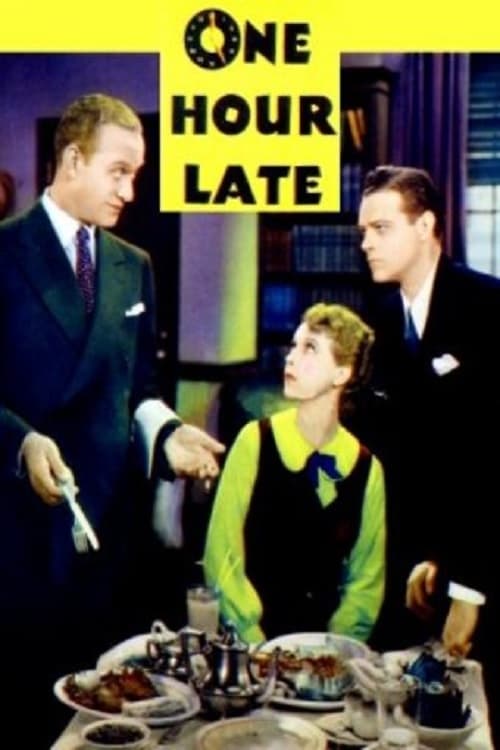
One Hour Late is a classic example of 1930s studio-era filmmaking, adhering closely to the standard comedic structures of the time. The narrative relies on conventional romantic clichés, particularly focusing on a secretary torn between her boss and her boyfriend. Since the film emphasizes traditional social hierarchies and heterosexual relationships, it lacks complexity in representing multiple aspects of identity. The storytelling prioritizes established courtship rituals over any meaningful challenge to social norms. Ultimately, the film reflects the social norms of the early 20th century without critiquing them, offering limited diverse representation.
Category Breakdown
The film does not include any characters with non-straight sexual orientations or same-sex relationships. The plot revolves around a traditional romantic triangle that supports heterosexual relationships.
The female lead mainly serves as an object of desire for several male characters. Despite having a professional position, the story is driven by the male characters' romantic intentions.
The production seems to follow the homogeneous casting practices common in the early 1930s. It centers on a predominantly white, Anglo-Saxon cast typical of the period.
The story emphasizes traditional social institutions such as marriage and courtship. It operates within the conventional moral and social frameworks of the early 20th century.
There are no characters with visible or invisible disabilities mentioned in the film. There is no information about neurodivergence or physical impairments in the story.
Present on Screen
Limited or Absent
Official Synopsis
A secretary catches the eye of her amorous boss while her regular boyfriend keeps trying to propose marriage to her.
1936
1933

1930
1935
1933
1937
1930

1932
No reviews yet. Be the first to share your thoughts on this movie!
Use the rating form above to leave a star rating and optional review.