Charlie's Country
2013
No user ratings available yet
Representation score: 6.1 out of 10

Representation Score
Fair
2010
Not RatedDirector
Brendan Fletcher
Runtime
94 minutes
Average Rating
No ratings yetNew Showbiz Analysis
Mad Bastards is a powerful example of community-driven storytelling that prioritizes racial and cultural authenticity. By collaborating closely with Aboriginal communities, the film avoids the outsider perspective, providing a genuine look at life in the Kimberley region. The film's main strength lies in its dedication to Indigenous ability to act and cultural immersion. This is enhanced by the use of local talent and the musical contributions of the Pigram Brothers, making the setting feel authentic and lived-in. However, the film's heavy focus on masculine dynamics can reinforce patriarchal storytelling structures. Although it tries to challenge aggressive masculine clichés, the absence of LGBTQ+ representation and the emphasis on male archetypes limit its overall diversity.
Category Breakdown
The film focuses on intergenerational masculine dynamics and family reconciliation. There are no explicit mentions of LGBTQ+ characters or non-straight relationships.
The movie emphasizes the journey to manhood, which can reinforce patriarchal structures. However, it challenges these clichés by highlighting emotional growth and personal change rather than aggression.
The film stands out by embedding its storytelling in Indigenous traditions through collaboration with Aboriginal communities. Using a local cast ensures a strong focus on non-Anglo-Saxon perspectives.
The story prioritizes Indigenous storytelling and communal wisdom, moving away from Western institutional norms. It values ancestral connections and healing over rigid social frameworks.
While the film explores psychological trauma and violence, there are no characters specifically identified with physical or neurodivergent disabilities.
Present on Screen
Limited or Absent
Official Synopsis
TJ is a mad bastard, and his estranged 13‐year‐old son Bullet is on the fast track to becoming one, too. After being turned away from his mother’s house, TJ sets off across the country to the Kimberly region of northwestern Australia to make things right with his son. Grandpa Tex has lived a tough life, and now, as a local cop in the outback town of Five Rivers, he wants to change things for the men in his community.
2013
2015
2016

2015

2013

2017
1986
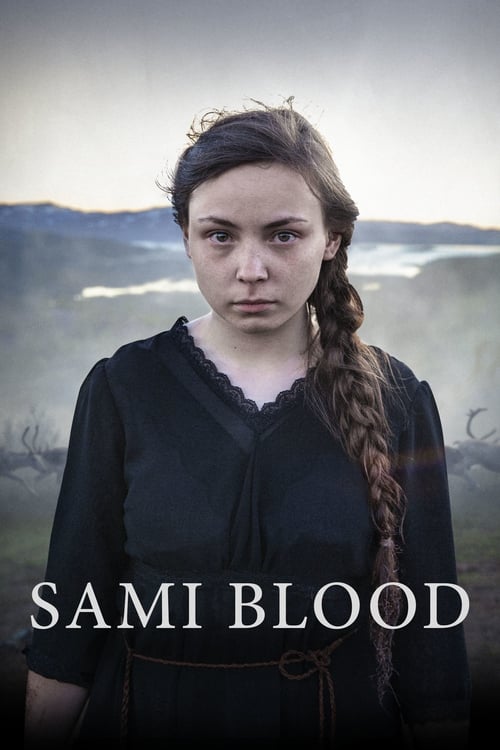
2017
No reviews yet. Be the first to share your thoughts on this movie!
Use the rating form above to leave a star rating and optional review.