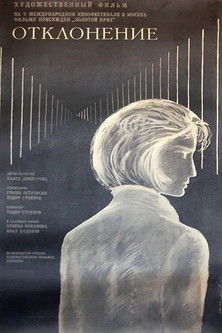
Detour
1967
No user ratings available yet
Diversity score: 4.1 out of 10
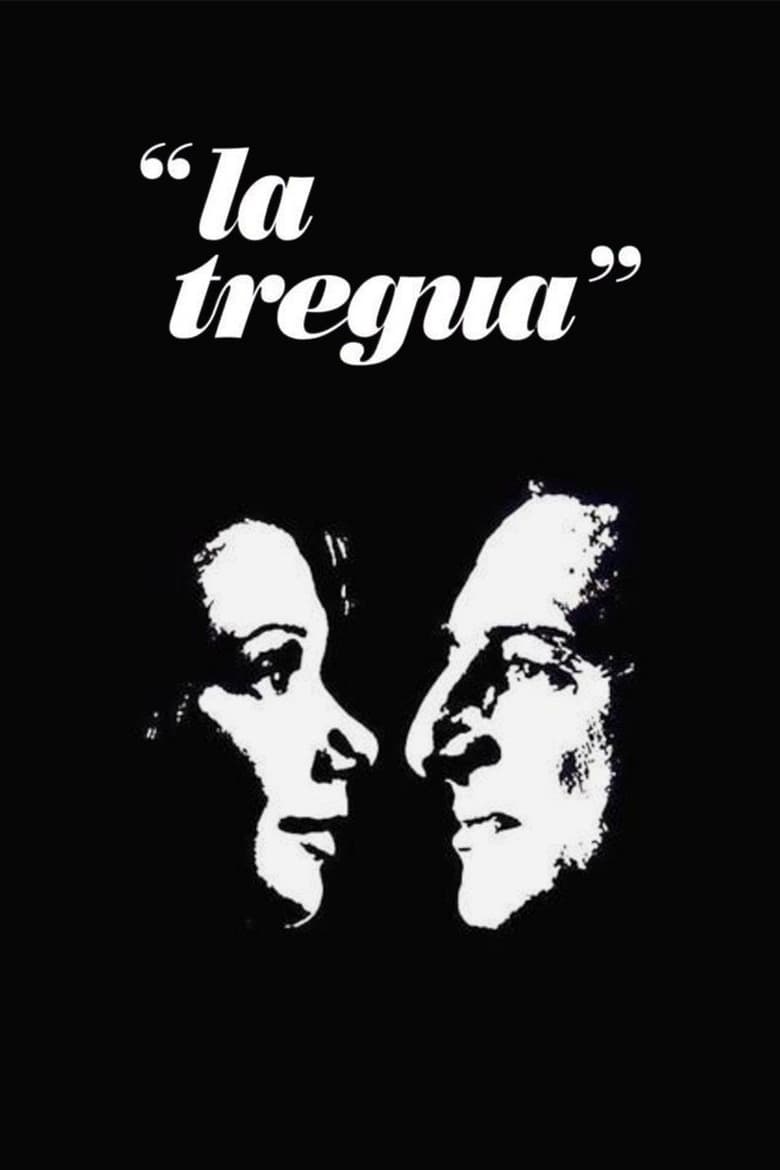
1974
Not RatedDirector
Sergio Renán
Runtime
108 minutes
Average Rating
No ratings yetSynopsis
A man has to come to terms with his wasted youth, estranged family and grim prospects for the future.
Overall Score
Limited
Category Breakdown
LGBTQ+ Representation
The film centers on a heterosexual romance as its primary emotional driver. It lacks any discernible queer narratives or non-cisnormative identities, adhering to the heteronormative social structures of its era.
Gender Representation
The narrative disrupts the stoic male trope by highlighting the protagonist's emotional fragility. While the female lead possesses significant agency as a catalyst for change, the power dynamics remain within traditional romantic archetypes.
Racial & Ethnic Diversity
Casting reflects the socioeconomic realities of mid-20th-century urban Argentina, featuring a predominantly white/mestizo ensemble. The film does not actively seek to diversify the cast or challenge the homogeneity of its social strata.
Religious & Cultural Diversity
The story focuses on secular, existentialist themes rather than religious morality. It portrays the stability and decay of traditional institutions like the workplace through a lens of personal disillusionment.
Disability Representation
There is no visible or narrative focus on physical or neurodivergent disabilities. Characters are presented through the lens of standard physical and mental functionality typical of period dramatic conventions.
Strengths
Areas for Improvement
AI Analysis
The Truce is a classicist character study that prioritizes psychological depth and existential malaise over social critique. It functions as a traditionalist drama, operating within the established cultural and social norms of 1970s Argentina. While the film offers nuanced emotional realism, particularly regarding male vulnerability, it lacks the intentionality required to disrupt social hierarchies. The narrative remains largely homogeneous, reflecting the specific demographic and socioeconomic realities of its setting. Ultimately, the film excels as a study of the human condition but provides very little in the way of intersectional representation or systemic diversity.
1967

1967

2001
1964

2008

1969
1997
1979

1978

1975

2002
1954
No reviews yet. Be the first to share your thoughts on this movie!
Use the rating form above to leave a star rating and optional review.