Could We Maybe
1976
No user ratings available yet
Diversity score: 5.0 out of 10
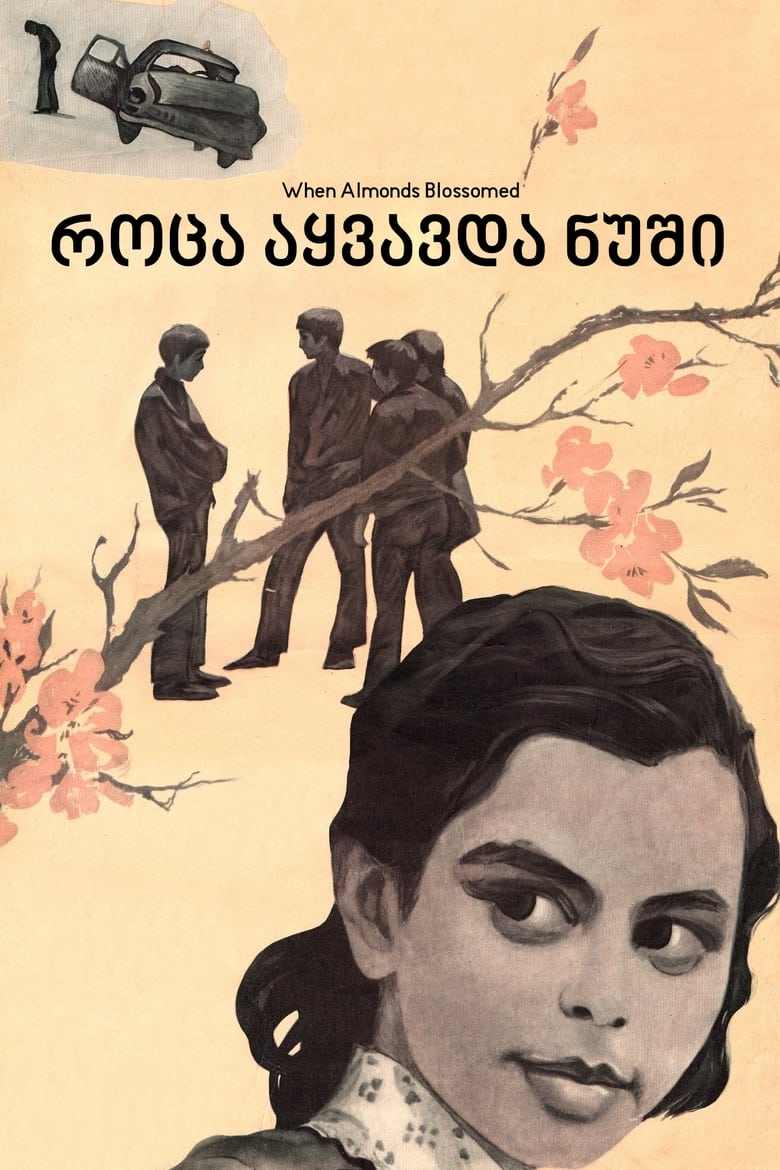
1973
Director
Lana Goghoberidze
Runtime
75 minutes
Average Rating
No ratings yetSynopsis
Zura, a son of a rich businessman, steals a car of his father’s friend to amuse his classmates. When informed about it, the school principal discards him from the bike tournament. Nevertheless, Zura’s father manages to persuade her to allow his son to participate and even succeeds in bribing his championship. Zura’s classmates know that he became a champion undeservedly but can’t do anything about it. Only Khatuna, his alleged girlfriend, and Lexo, Zura’s friend, dare to protest against it. Their lack of loyalty enrages Zura and in the rush of the blood he crashes his father’s car. The accident takes Laxo’s life. Zura’s father does his best to save his son from deserved punishment but the first one against his decision is Zura himself.
Overall Score
Good
Category Breakdown
LGBTQ+ Representation
The film centers on traditional interpersonal dynamics between Zura and Khatuna. It lacks explicit queer themes or non-cisnormative identities, though it avoids derogatory depictions of such identities.
Gender Representation
Khatuna serves as a vital source of agency, providing moral protest against systemic corruption. She challenges the male-driven power structures of Zura and his father with intellectual autonomy.
Racial & Ethnic Diversity
The film offers a culturally specific Georgian perspective that avoids a Western lens. While the cast is ethnically homogeneous, it provides a non-Hollywood narrative structure.
Religious & Cultural Diversity
The story offers a sharp critique of class-based corruption and the misuse of wealth. It examines how institutional integrity fails when capital is used to bypass social rules.
Disability Representation
There are no visible or invisible disabilities portrayed as central to the narrative arc.
Strengths
Areas for Improvement
AI Analysis
Lana Goghoberidze’s drama succeeds by subverting the standard coming-of-age trope, replacing it with a sophisticated study of moral accountability and systemic dysfunction. The film's strength lies in its refusal to romanticize privilege, instead highlighting the rot caused by institutional bribery. While the film remains within the heteronormative and ethnically homogeneous bounds of its era and region, it provides a necessary counter-perspective to Western cinematic hegemony. The character of Khatuna is particularly noteworthy for her refusal to succumb to submissive tropes. Ultimately, the film is a critique of how wealth can erode individual morality. It moves beyond simple delinquency to explore the complex friction between personal impulse and the corruptive influence of social hierarchies.
1976
1961

1962
1974
1953

1990
1950
1956
1973
1957
1957

1977
No reviews yet. Be the first to share your thoughts on this movie!
Use the rating form above to leave a star rating and optional review.