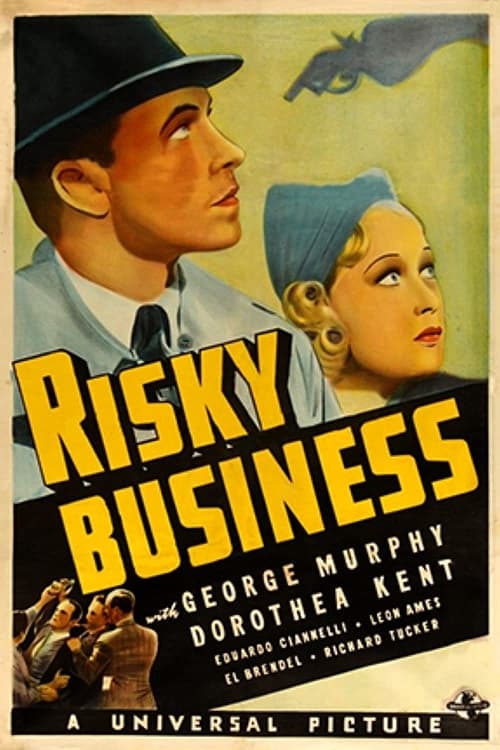
Risky Business
1939
No user ratings available yet
Representation score: 0.4 out of 10
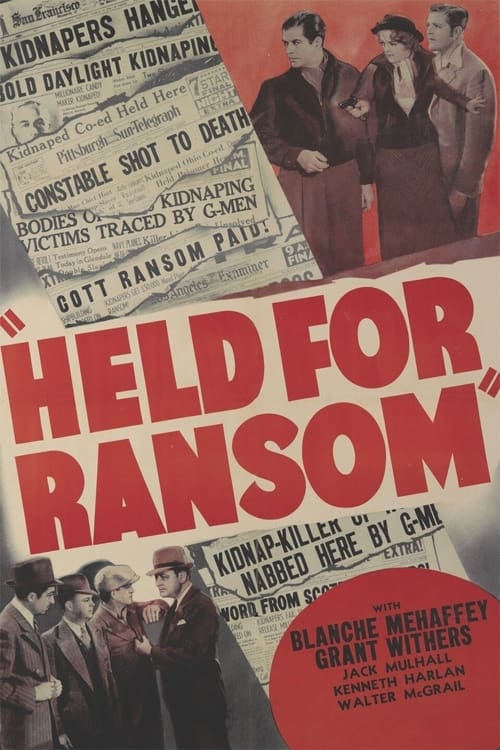
Representation Score
Minimal
1938
ApprovedDirector
Clarence Bricker
Runtime
59 minutes
Average Rating
No ratings yetNew Showbiz Analysis
Held For Ransom operates within the conventional social and systemic frameworks of 1938 crime cinema. While the inclusion of a female detective offers a slight departure from standard genre clichés, the film largely adheres to the period's traditional hierarchies. The narrative lacks depth in reflecting multiple aspects of identity, focusing instead on protecting established economic interests and Anglo-Saxon-centric protagonists. It reflects the demographic and cultural homogeneity typical of late-1930s American productions.
Category Breakdown
The film does not include any characters with non-straight or non-cisgender identities, nor does it challenge the assumption that everyone is straight or cisgender. This reflects the strict censorship and social norms of 1938.
A female detective plays a significant role, diverging from typical male-dominated crime stories. However, it is unclear if she truly challenges the status quo or simply fits a standard archetype.
The story focuses on a wealthy businessman and a detective, indicating a homogeneous demographic. Characters of color are not represented and do not play significant roles.
The plot centers on protecting private property and capitalist stability, reinforcing Western institutions and law and order rather than questioning them.
There is no mention of characters with physical or neurodivergent disabilities.
Present on Screen
Limited or Absent
Official Synopsis
A female detective investigates the kidnapping of a wealthy businessman.
1939
1963
1937
1936
1939

1935
1936

1933
No reviews yet. Be the first to share your thoughts on this movie!
Use the rating form above to leave a star rating and optional review.