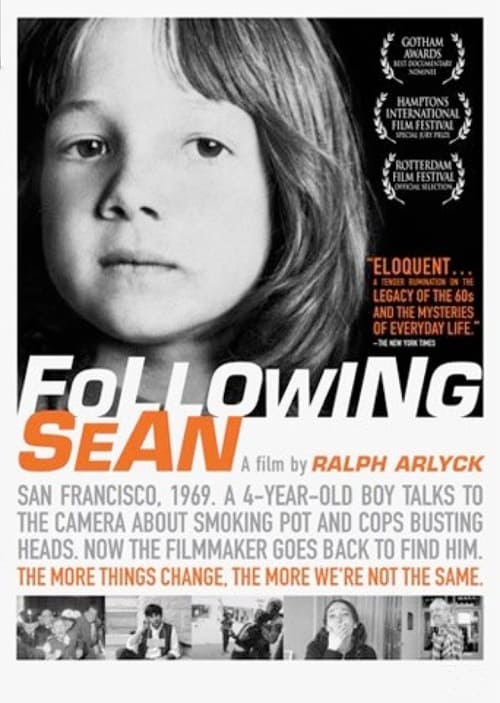
Following Sean
2006
No user ratings available yet
Representation score: 5.6 out of 10
Representation Score
Fair
1970
Director
Ralph Arlyck
Runtime
15 minutes
Average Rating
No ratings yetNew Showbiz Analysis
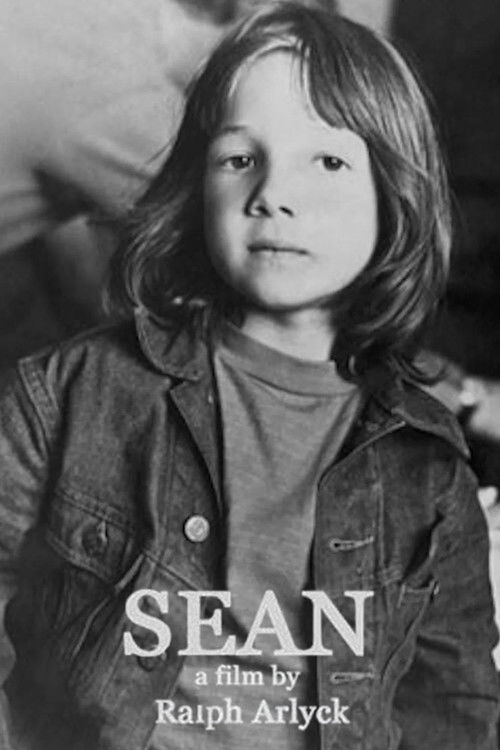
Sean serves as a vital sociological document of the late 1960s counterculture. It succeeds by capturing the deconstruction of traditional Western social norms through the lens of a child living in a communal 'crash pad.' The film's strength lies in its cultural authenticity, portraying the rejection of standard social decorum and capitalist domesticity. It provides a rare, observational look at the shifting values of the Haight-Ashbury district. However, the film lacks specific details regarding racial, gender, or LGBTQ+ identities. The diversity is largely environmental and implied by the setting rather than being driven by explicit character representation.
Category Breakdown
The film captures a hippie crash pad environment that challenges traditional domestic structures. While specific identities are not explicitly stated, the communal setting reflects non-traditional living arrangements.
By focusing on a child in a communal space rather than a nuclear family, the film challenges patriarchal household hierarchies. However, specific character arcs for female protagonists are not detailed.
The Haight-Ashbury setting implies a diverse, multi-ethnic communal atmosphere typical of 1969. Without specific casting details, the film provides a baseline for environmental diversity rather than explicit character representation.
The film is a significant artifact of anti-establishment sentiment, documenting the rejection of traditional Western institutions. It frames countercultural lifestyles and non-traditional domesticity through a child's perspective.
There is no evidence of characters with visible or invisible disabilities within the provided context.
Present on Screen
Limited or Absent
Official Synopsis
Filmmaker Ralph Arlyck interviews his neighbor, Sean Farrell, a 4-year-old living on San Francisco's Haight Street in 1969. Sean gives his thoughts on life in his home, a hippie crash pad, and casually mentions that he smokes pot, which caused this short film to become a national sensation.
2006
1961
1968

2010

1968
1967
1971
1965
No reviews yet. Be the first to share your thoughts on this movie!
Use the rating form above to leave a star rating and optional review.