Salvador
1986
No user ratings available yet
Representation score: 3.3 out of 10
Representation Score
Limited
1983
RDirector
Roger Spottiswoode
Runtime
128 minutes
Average Rating
No ratings yetNew Showbiz Analysis
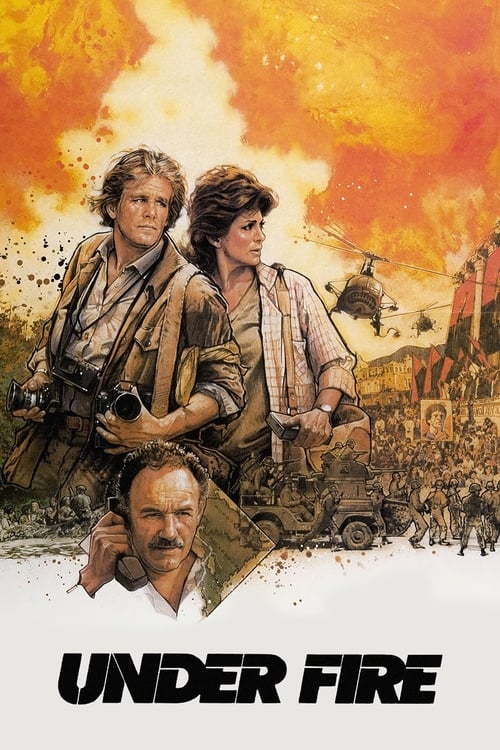
Under Fire is a traditional period drama focusing on masculine perspectives and standard demographics of the early 1980s. The film explores the psychological fragmentation of men in combat and photojournalism. While it lacks significant LGBTQ+ representation or diverse casting, it offers depth through its sophisticated critique of 'truth' and institutional authority. Ultimately, the film challenges singular, heroic narratives in Western war cinema, emphasizing the human cost of intervention over nationalist ideals.
Category Breakdown
The film follows the conventions of 1980s war cinema, which assume everyone is straight and cisgender. There is no depiction of non-binary gender identities or same-sex relationships.
The story centers on the male experience in combat and photojournalism. It does not challenge traditional gender roles or give significant roles to female characters.
The casting reflects typical demographics of the time. Despite an international setting, the story remains primarily American without a diverse cast.
The film questions patriotic heroism by embracing moral relativism. It frames truth as subjective through the camera lens, challenging Western moral certainty.
The film highlights the psychological impact of war and mental health trauma. These elements create tension but do not give specific character's ability to drive the story.
Present on Screen
Limited or Absent
Official Synopsis
Three U.S. journalists get too close to one another and their work in 1979 Nicaragua.
1986
1997
1984

2005
2011
2018
2000
1989
No reviews yet. Be the first to share your thoughts on this movie!
Use the rating form above to leave a star rating and optional review.