Darling
1965
No user ratings available yet
Representation score: 4.3 out of 10
Representation Score
Fair
1967
PG-13Director
Mark Robson
Runtime
123 minutes
Average Rating
No ratings yetNew Showbiz Analysis
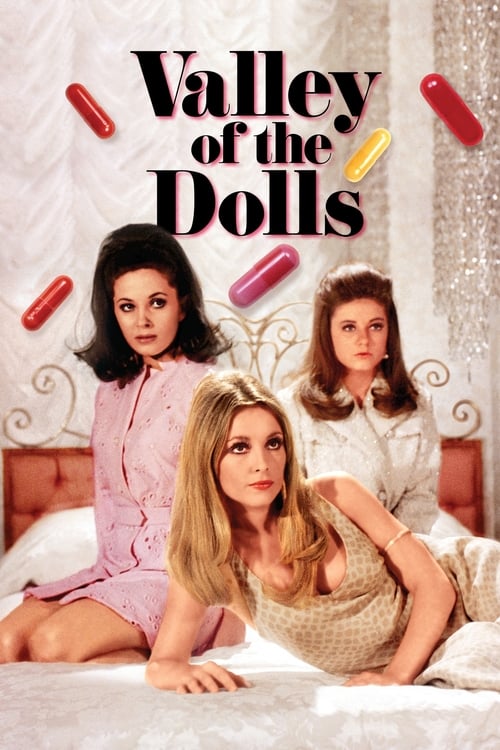
Valley of the Dolls is a bleak deconstruction of mid-century celebrity culture. It replaces aspirational glamour with a study of systemic instability and personal dissolution among three ambitious women. While the film lacks demographic diversity, particularly regarding race and LGBTQ+ identities, it offers a sophisticated critique of Western social hierarchies. It avoids simplistic moralizing, focusing instead on the pressures of fame. The narrative succeeds in centering women's ability to drive the story and complex psychological struggles, even as it remains tethered to the exclusionary social vacuum of 1960s high society.
Category Breakdown
The film operates within a framework that assumes everyone is straight. Character arcs are driven by romantic relationships with men and the pursuit of status within male-dominated hierarchies.
The narrative centers on women taking control of their lives as they navigate and manipulate their environments. It passes the Bechdel test, focusing conversations on shared struggles with addiction and psychological trauma.
The setting reflects the exclusionary social strata of the 1960s jet-set elite. The cast is almost entirely white and Anglo-Saxon, reinforcing the era's socioeconomic boundaries.
The film critiques capitalist excess and the superficial nature of Western high society. It portrays traditional family and authority structures as ineffective in mitigating the chaos of the protagonists.
Mental health and neurodivergence are explored through the lens of addiction and trauma. These elements are framed as personal tragedies rather than nuanced explorations of lived disability.
Present on Screen
Limited or Absent
Official Synopsis
Lured by their dreams of fame and fortune, three ambitious young women enter the world of show business and discover how easy it is to sink into a celebrity nightmare of ego, alcohol and pills — the beloved "dolls."
1965
1937
1998
1952
1976
1971
1974
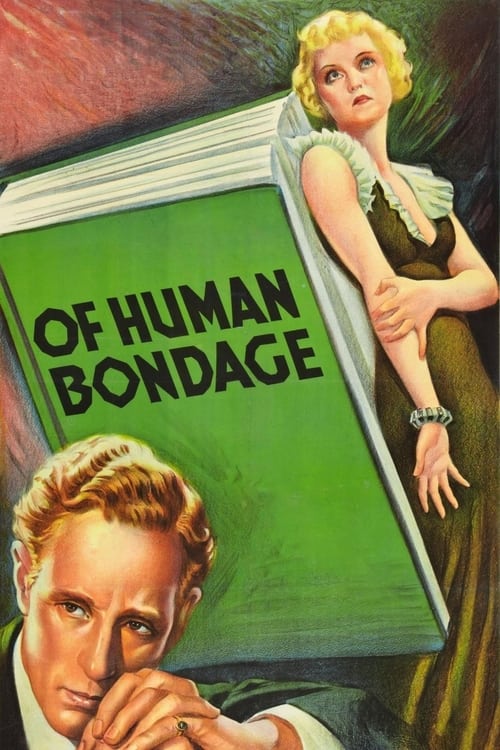
1934
No reviews yet. Be the first to share your thoughts on this movie!
Use the rating form above to leave a star rating and optional review.