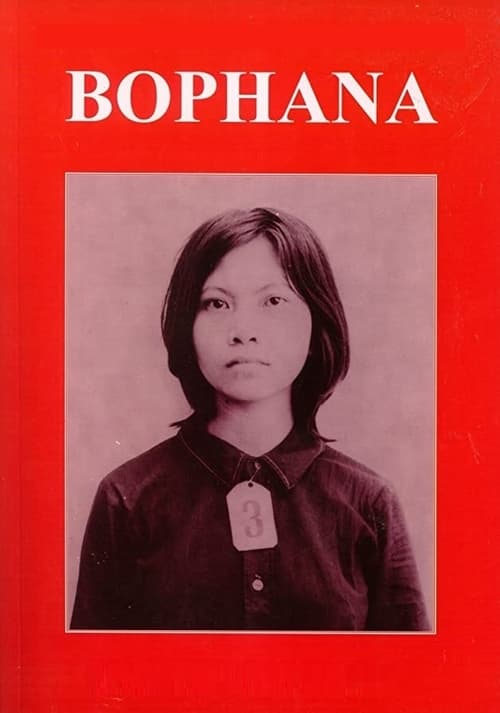
Bophana: A Cambodian Tragedy
1996
No user ratings available yet
Representation score: 6.8 out of 10
Representation Score
Good
2009
Director
Rob Lemkin, Thet Sambath
Runtime
93 minutes
Average Rating
No ratings yetNew Showbiz Analysis
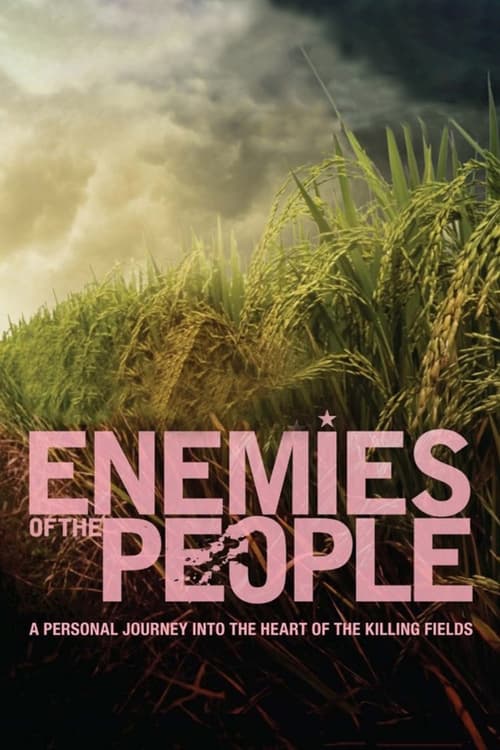
Enemies of the People succeeds by shifting the documentary lens from a Western observational perspective to a participatory mode driven by indigenous ability to act. By centering Thet Sambath’s personal mission and the testimonies of Khmer survivors and perpetrators, the film provides an authentic, non-Western account of the Cambodian Genocide. The film offers a sophisticated critique of how radical political ideologies dismantle cultural and religious institutions. However, its scope is narrow regarding specific identity-based representation. It lacks focus on LGBTQ+ narratives or neurodivergent ability to act, treating the collective trauma of the nation as a historical backdrop rather than a specific study of disability.
Category Breakdown
The documentary focuses on the historical trauma of the Cambodian Genocide. There are no LGBTQ+ narratives or queer-coded subtext within the testimonies or the central investigative arc.
The film explores the gendered realities of survival and the impact of state violence on domestic roles. It does not explicitly focus on subverting gender hierarchies as a primary theme.
The film excels by centering Khmer voices, disrupting the conventional Western observer cliché. It utilizes local testimony to provide a non-Western perspective on a global tragedy.
The narrative highlights the destruction of Buddhist institutions and the dismantling of traditional social structures. It critiques the radical ideological imposition of the Khmer Rouge.
The film depicts the psychological and physical scars left by the genocide. However, it treats trauma as a historical byproduct rather than a focused exploration of disability.
Present on Screen
Limited or Absent
Official Synopsis
The Khmer Rouge slaughtered nearly two million people in the late 1970s. Yet the Killing Fields of Cambodia remain unexplained. Until now. Enter Thet Sambath, an unassuming, yet cunning, investigative journalist who spends a decade of his life gaining the trust of the men and women who perpetrated the massacres. From the foot soldiers who slit throats to Pol Pot's right-hand man, the notorious Brother Number Two, Sambath records shocking testimony never before seen or heard. Having neglected his own family for years, Sambath's work comes at a price. But his is a personal mission. He lost his parents and his siblings in the Killing Fields. Amidst his journey to discover why his family died, we come to understand for the first time the real story of Cambodia's tragedy.
1996

1985
2013
2015

2011
2014
2008
1998
No reviews yet. Be the first to share your thoughts on this movie!
Use the rating form above to leave a star rating and optional review.