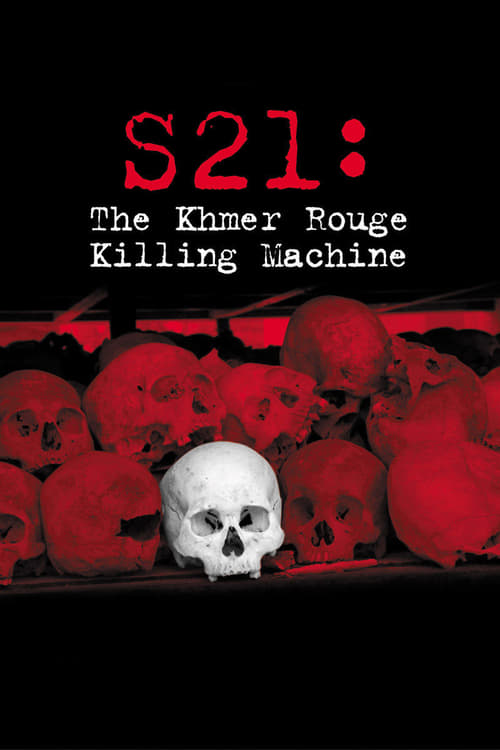
S21: The Khmer Rouge Killing Machine
2003
No user ratings available yet
Diversity score: 5.7 out of 10
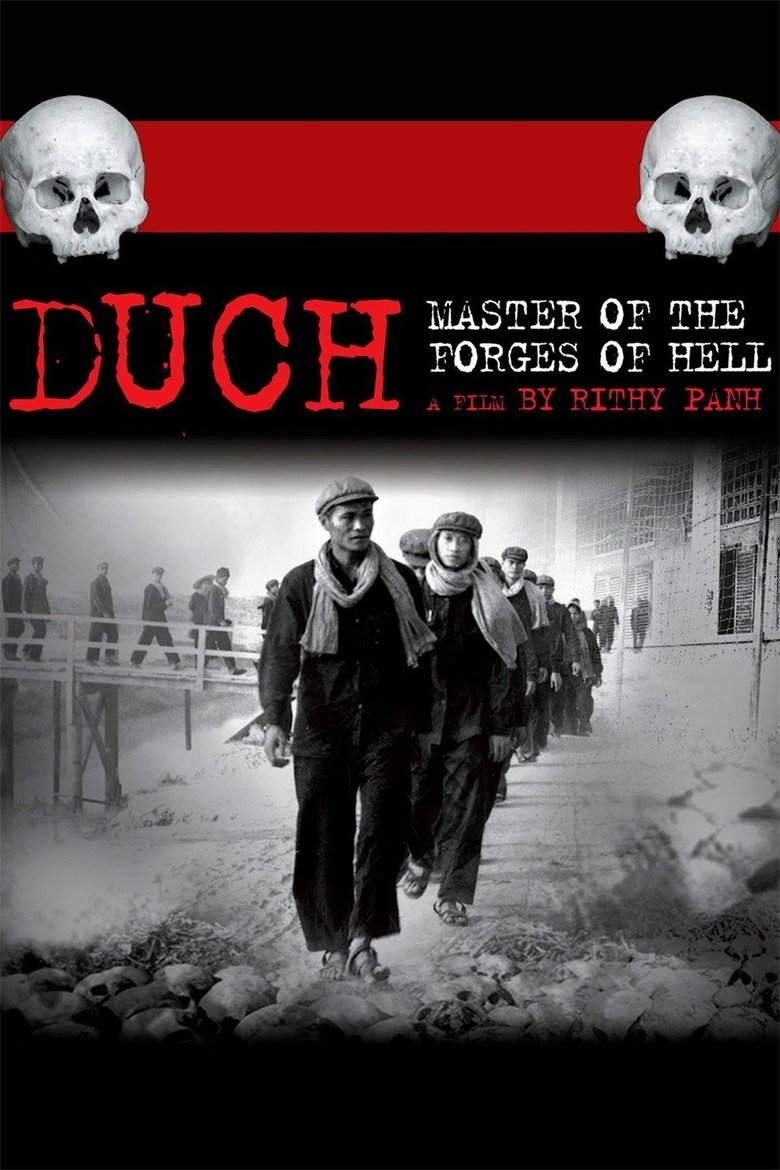
2012
Director
Rithy Panh
Runtime
103 minutes
Average Rating
No ratings yetSynopsis
Under the Khmer Rouge regime, Kaing Guek Eav, known as Duch, directed the M13 prison for four years, before becoming the head of S21, the terrifying death machine that eliminated Khmer Rouge opponents. Some 12,280 Cambodians met their deaths here. In July 2010, Duch was the first Khmer leader to appear before an international court, which sentenced him to 35 years in prison. He appealed the sentence. While Duch waited for his new trial, Rithy Panh questioned him in depth.
Overall Score
Good
Category Breakdown
LGBTQ+ Representation
The documentary focuses on the clinical interrogation of a genocide perpetrator. There are no LGBTQ+ characters or narratives addressing queer existence within this historical framework.
Gender Representation
The film explores how the Khmer Rouge dismantled traditional gender hierarchies and family units. However, it prioritizes macro-level destruction over the individual agency of female characters.
Racial & Ethnic Diversity
This work provides a profound centering of Cambodian identity and lived experiences. It functions as a vital reclamation of history from a non-Western perspective.
Religious & Cultural Diversity
The narrative documents the systematic destruction of religious and familial structures. It critiques the totalizing nature of radical agrarianism and its disruption of established social orders.
Disability Representation
The film implicitly engages with the psychological fracturing and physical toll of state violence. It avoids tropes, focusing instead on the grim reality of survival.
Strengths
Areas for Improvement
AI Analysis
Rithy Panh’s documentary serves as a powerful post-colonial corrective, centering Cambodian identity and the systemic collapse of traditional social institutions. By focusing on the mechanics of the Khmer Rouge regime through the interrogation of Kaing Guek Eav, the film prioritizes local history over Western-centric narratives. While the film excels in cultural and racial representation, it lacks specific focus on LGBTQ+ identities or individual disability narratives. The scope remains strictly tied to the psychological and historical interrogation of state-sponsored violence. Ultimately, the film is a sophisticated study of how radical ideologies dismantle the social fabric, offering a deep, non-Western critique of historical trauma.
2003

1975
1956
1985
1996
2022
2021
2012
2004
2015

2017
1998
No reviews yet. Be the first to share your thoughts on this movie!
Use the rating form above to leave a star rating and optional review.