David Letterman: A Life on Television
2015
No user ratings available yet
Diversity score: 4.0 out of 10
2014
NRDirector
Rob Epstein, Jeffrey Friedman
Runtime
95 minutes
Average Rating
No ratings yetSynopsis
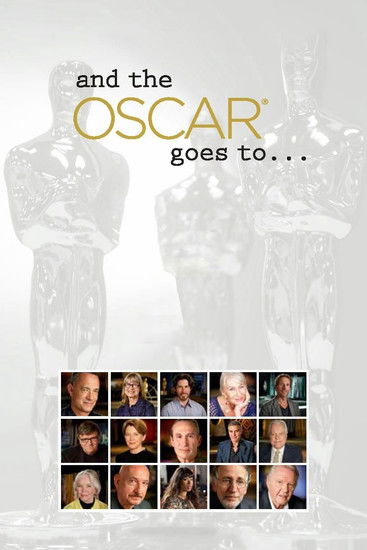
The story of the gold-plated statuette that became the film industry's most coveted prize, AND THE OSCAR GOES TO... traces the history of the Academy itself, which began in 1927 when Louis B. Mayer, then head of MGM, led other prominent members of the industry in forming this professional honorary organization. Two years later the Academy began bestowing awards, which were nicknamed "Oscar," and quickly came to represent the pinnacle of cinematic achievement.
Overall Score
Fair
Category Breakdown
LGBTQ+ Representation
The film documents the professional trajectories of various industry figures, including queer icons. While it provides a nuanced look at identity, the narrative does not center on a specific critique of heteronormativity.
Gender Representation
The documentary showcases the professional agency of women navigating patriarchal Hollywood structures. It highlights the achievements of female winners, disrupting tropes of women as mere supporting players in cinematic history.
Racial & Ethnic Diversity
Archival footage and interviews effectively showcase the integration of diverse racial and ethnic identities. The film acknowledges the shifting demographic landscape by centering the achievements of actors of color.
Religious & Cultural Diversity
The film functions primarily as a celebration of a major Western institution. While it includes diverse voices, it does not explicitly prioritize anti-Western or anti-capitalist critiques.
Disability Representation
Visibility regarding disability is limited. While the film touches on the personal challenges of performers, there is no concentrated effort to center neurodivergence or physical disability.
Strengths
Areas for Improvement
AI Analysis
The documentary provides a sophisticated historical survey that weaves a tapestry of diverse professional successes. It successfully challenges the notion of a monolithic Hollywood history by documenting a broadening spectrum of human experience. While the film avoids aggressive deconstruction of systemic power dynamics, the directors' pedigree ensures that marginalized voices are treated with dignity. The work acts as a bridge between traditional cinematic history and a more inclusive understanding of achievement. Ultimately, the film balances the prestige of the Academy with a respectful acknowledgment of the diverse individuals who shaped its evolution.
2015

2016
1995
1990
2007
2014
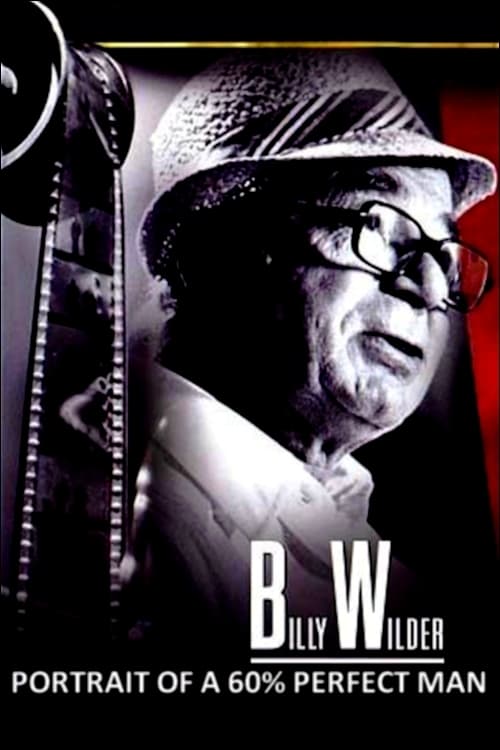
1982
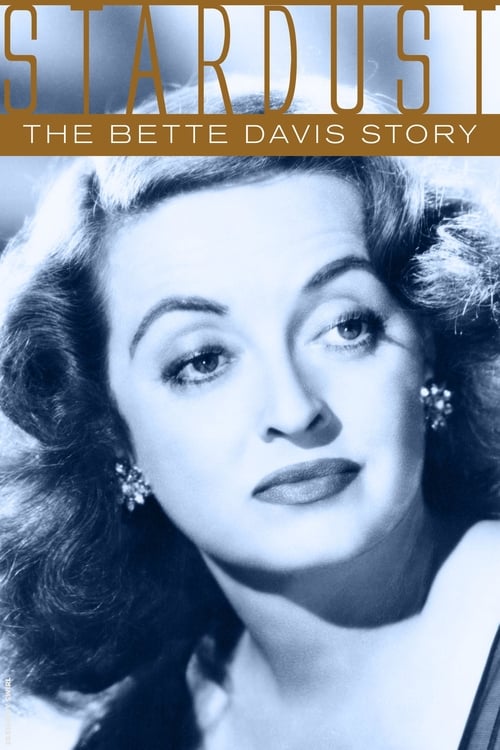
2006

2017
1973
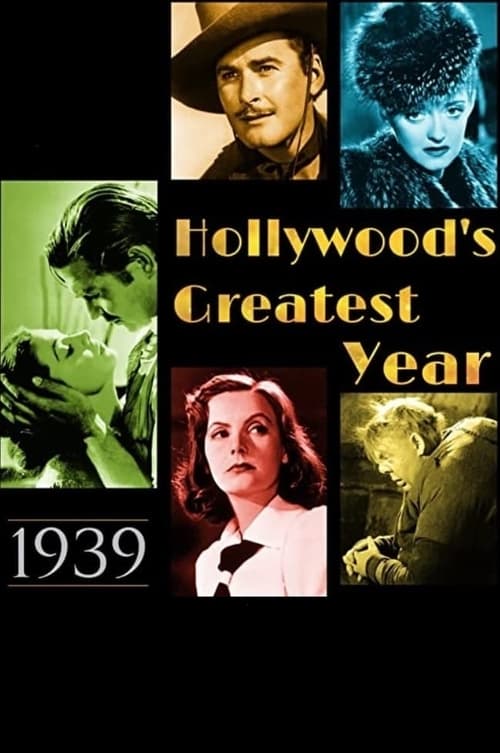
2009
1996
No reviews yet. Be the first to share your thoughts on this movie!
Use the rating form above to leave a star rating and optional review.