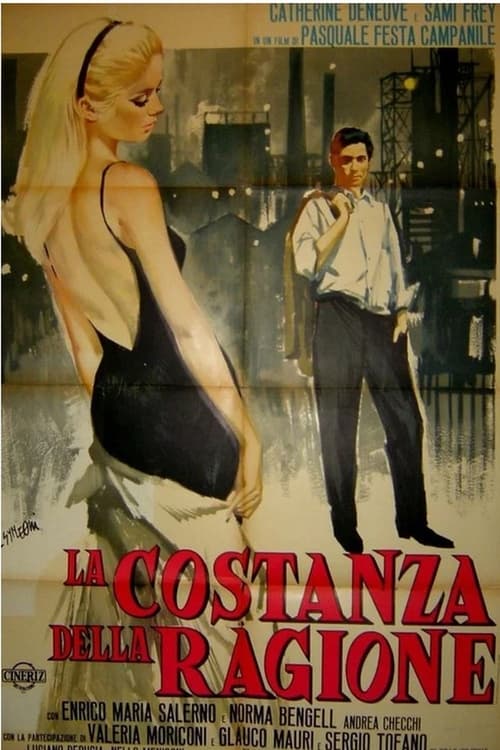
The Constancy of Reason
1964
No user ratings available yet
Representation score: 4.3 out of 10
Representation Score
Fair
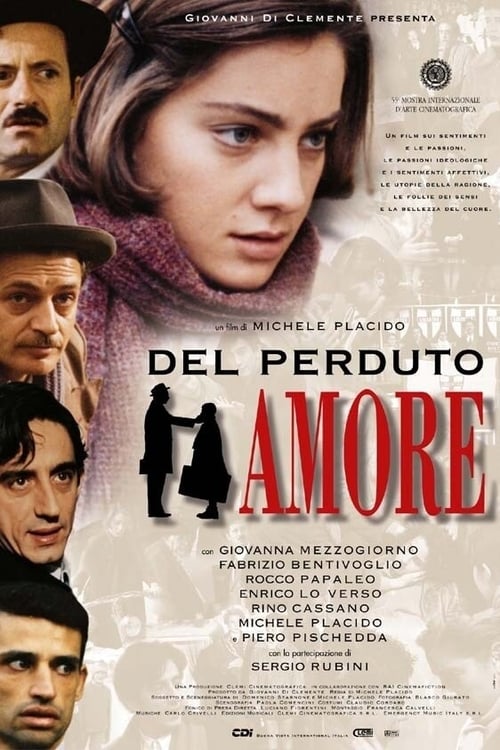
1998
Director
Michele Placido
Average Rating
No ratings yetNew Showbiz Analysis
Del perduto amore is a period drama that prioritizes systemic critique over broad demographic representation. Its strength lies in its subversion of mid-century gender roles, centering a woman's fight for emancipation and education. However, the film is limited by its historical setting, which results in a lack of racial and LGBTQ+ diversity. The narrative remains rooted in the demographic homogeneity of 1950s Italy. Ultimately, the film succeeds as a social commentary on institutional friction, even if it does not offer a diverse cast by modern standards.
Category Breakdown
The film focuses on the socio-political struggles of 1950s rural Italy. There are no LGBTQ+ characters or non-straight relationships driving the plot.
A female protagonist drives the narrative through her intellectual role and commitment to social reform. She actively challenges patriarchal structures and rigid political hierarchies.
The cast reflects the demographic homogeneity of 1950s Basilicata. The lack of ethnic diversity is consistent with the historical accuracy of the period and setting.
The story explores the tension between grassroots reform and established power structures. It critiques systemic corruption and the limitations of traditional authority through a political lens.
There is no significant evidence regarding the portrayal of physical or neurodivergent disabilities in this work.
Present on Screen
Limited or Absent
Official Synopsis
Basilicata, 1950s. A young teacher with communist leanings is committed to women's emancipation and the spread of education in rural areas, coming into conflict with her party comrades.
1964

1957

1993

1978
2019

1974

1992

1970
No reviews yet. Be the first to share your thoughts on this movie!
Use the rating form above to leave a star rating and optional review.