
Il Grido
1957
No user ratings available yet
Representation score: 4.3 out of 10
Representation Score
Fair
1964
Director
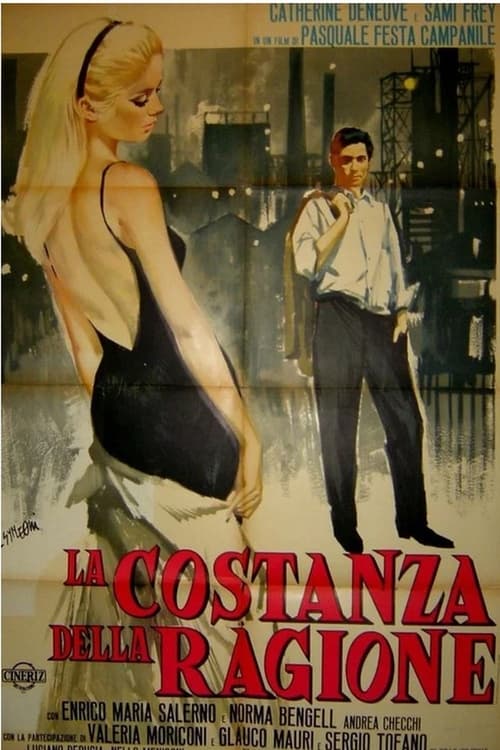
Pasquale Festa Campanile
Runtime
88 minutes
Average Rating
No ratings yetNew Showbiz Analysis
The film is a character-driven exploration of socio-political themes. It effectively deconstructs class loyalty and highlights the tension between personal ambition and political convictions. This offers a nuanced view of the costs associated with social mobility. However, the film lacks contemporary markers of diversity. Its representation of race and LGBTQ+ identities is limited, reflecting the traditional social structures of 1960s Italy. Ultimately, the film's progressive strength lies in its ideological complexity rather than its broad demographic representation. It uses class struggle to challenge established economic and political systems.
Category Breakdown
The film focuses on traditional romantic relationships between Bruno and Lori, without depicting non-traditional sexual orientations or gender identities. It explores unconventional family dynamics but does not include same-sex intimacy or non-binary identities.
Ivana is portrayed as a strong widow navigating societal changes, showcasing female empowerment. However, the main storyline revolves around the male protagonist's professional journey, highlighting his central role in the narrative.
Set in 1960s Florence, the film reflects the era's demographic uniformity. There is no indication of diverse ethnic casting or multicultural perspectives within the setting.
The narrative critically examines Communist ideals and class struggle, emphasizing labor identity over traditional institutions and capitalist ambitions. This provides a strong critique of systemic issues.
The film does not depict any physical or cognitive disabilities that influence the narrative arc.
Present on Screen
Limited or Absent
Official Synopsis
Florence, early 1960s. Bruno aspires to be hired at a prestigious factory, but his Communist ideals — instilled by Millo, a father figure and family friend in love with Bruno's widowed mother Ivana — are an obstacle. His relationship with Lori, a beautiful and tormented young woman who has just returned from Milan, reshapes his convictions. Freely adapted from a minor novel by Vasco Pratolini.
1957
1964
1964
1998
1970
1969
1970
1962
No reviews yet. Be the first to share your thoughts on this movie!
Use the rating form above to leave a star rating and optional review.