
Martha
2010
No user ratings available yet
Representation score: 6.8 out of 10
Representation Score
Excellent
2018
Director
Marcelino Islas Hernández
Runtime
105 minutes
Average Rating
No ratings yetNew Showbiz Analysis
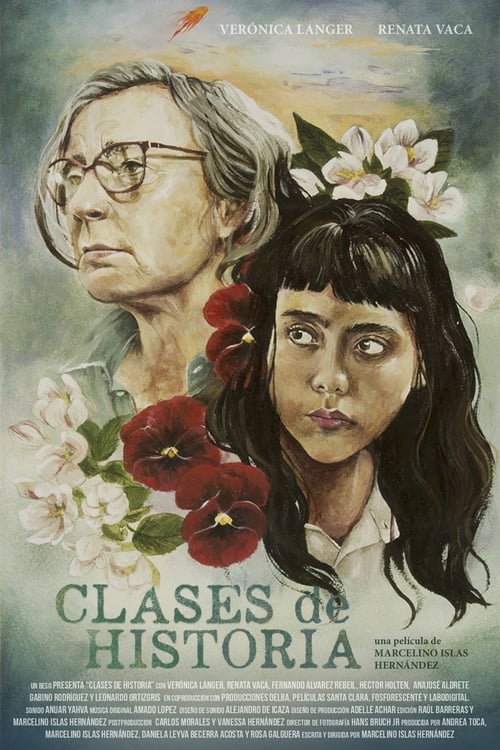
History Lessons grounds its drama in a specific, authentic Mexican context. By centering a Mestizo cast and a rural setting, the film avoids the homogenization often found in global cinema. The narrative's strength lies in its refusal to treat the protagonist's illness as mere melodrama, instead focusing on her role and intellectual life. However, the film remains somewhat conservative in its social signaling. While the bond between the teacher and student is transformative, the lack of explicit LGBTQ+ identity prevents a higher score in that category. The cultural critique is also subtle, leaning more toward personal wisdom than overt political messaging. Ultimately, the film is a character study that subverts traditional hierarchies. It replaces rigid authority and domestic clichés with a focus on female autonomy and the complexities of mortality.
Category Breakdown
The film explores a profound, transformative connection between a teacher and her student. While this bond disrupts the protagonist's stagnant life, it doesn't explicitly signal a queer romantic orientation.
The story centers on a woman's intellectual ability to act and existential autonomy. It avoids reducing the protagonist to her domestic roles as a wife or grandmother, prioritizing her professional identity instead.
The production features a primarily Mexican/Mestizo cast within a rural setting. This localized perspective provides a grounded, culturally specific reality that resists Western-centric storytelling clichés.
The narrative engages with historical memory and the subjective nature of truth. It favors personal connection over institutional dogma, offering a subtle critique of centralized power structures.
Verónica’s terminal illness serves as a central driver of her character arc rather than a melodramatic device. The film explores the psychological dimensions of illness with nuanced human experience.
Present on Screen
Limited or Absent
Official Synopsis
Verónica, a middle-aged highschool history teacher, leads a non eventful life: she has grownup children, grandchildren and a less than perfect marriage. This dynamic seems to be the only thing she can hold on to, as she battles a terminal illness. As she reluctantly accepts her fate, she meets Eva, an irreverent and misunderstood new student who unknowingly injects some life and enthusiasm back into her and provides her with the tools to deal with her destiny.
2010

2017

2021

2001

2016

2019
1988

2023
No reviews yet. Be the first to share your thoughts on this movie!
Use the rating form above to leave a star rating and optional review.