Pushkin: The Last Duel
2006
No user ratings available yet
Representation score: 4.0 out of 10
Representation Score
Good
1990
RDirector
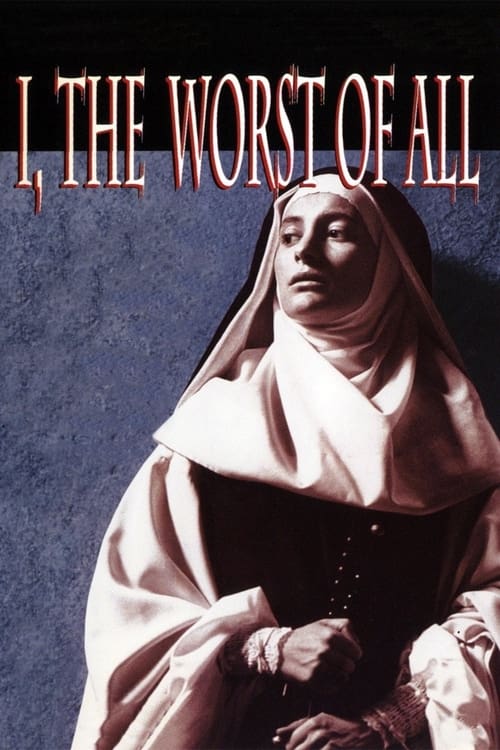
María Luisa Bemberg
Runtime
105 minutes
Average Rating
No ratings yetNew Showbiz Analysis
María Luisa Bemberg’s direction provides a progressive deconstruction of 17th-century patriarchal structures. The film excels by centering female intellectual ability to act, specifically through the protagonist's struggle against religious and social constraints. The narrative successfully challenges traditional hierarchies and institutional power. By framing the pursuit of knowledge as a form of rebellion, it critiques the systemic suppression of women in a colonial setting. While the film is a landmark for gender representation, it lacks explicit LGBTQ+ visibility and does not focus on a diverse multi-ethnic cast, centering instead on class and gender dynamics.
Category Breakdown
The film focuses on rebellion against traditional heterosexual norms rather than providing explicit LGBTQ+ visibility. It explores themes of sexual liberation and defiance of social morality but lacks specific character arcs for LGBTQ+ individuals.
Sor Juana Inés de la Cruz is depicted with significant intellectual ability to act. The narrative challenges the submissive female archetype by emphasizing female autonomy and criticizing the suppression of women's intellect.
Set in a colonial context, the film navigates complex power dynamics. It focuses more on the intersection of gender and class within the colonial hierarchy than on a multi-ethnic ensemble.
The film offers a sophisticated critique of the Catholic Church and patriarchal family units. It frames these institutions as restrictive forces that police individual morality and intellectual truth.
There is no significant evidence regarding the portrayal of visible or invisible disabilities within the narrative.
Present on Screen
Limited or Absent
Official Synopsis
A 17th-century Mexican nun defies expectations by becoming a renowned intellectual and writer during the Spanish Inquisition.
2006

1986
2009
2006
2017

2021
1984
2002
No reviews yet. Be the first to share your thoughts on this movie!
Use the rating form above to leave a star rating and optional review.