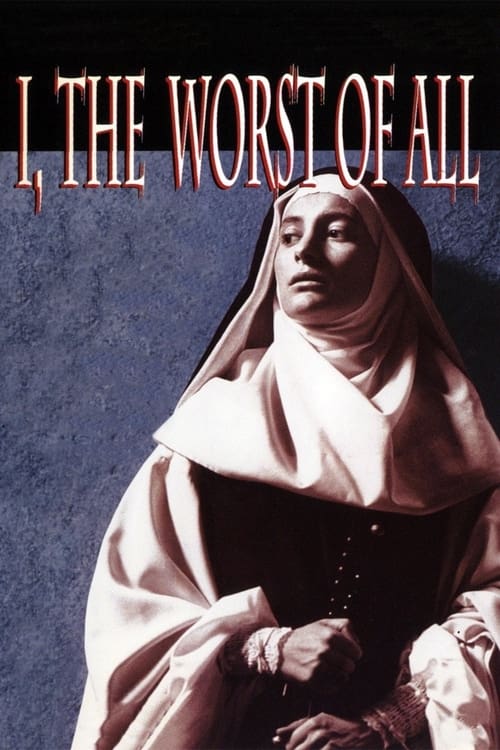
I, the Worst of All
1990
No user ratings available yet
Representation score: 6.6 out of 10
Representation Score
Limited
2006
Director
Natalya Bondarchuk
Runtime
110 minutes
Average Rating
No ratings yetNew Showbiz Analysis
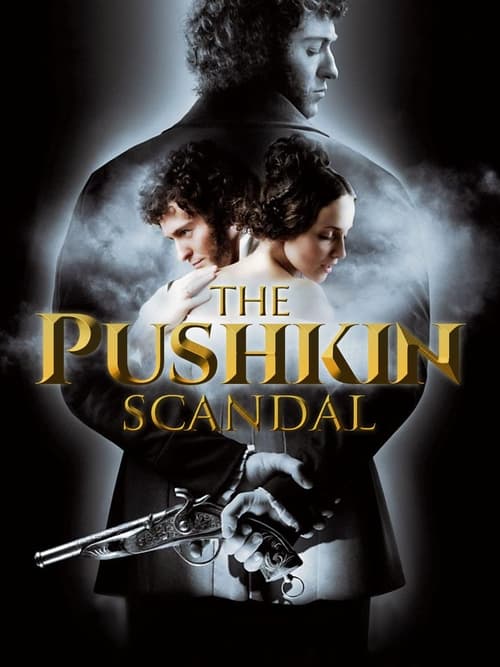
Pushkin: The Last Duel is a period drama that prioritizes psychological depth over modern demographic benchmarks. It functions as a classic tragedy, deconstructing the idealized image of a national literary hero through the lens of personal instability and social rumor. The film's engagement with diversity is primarily thematic rather than demographic. It challenges institutional stability and the hypocrisy of imperial social codes, focusing on the breakdown of traditional family and honor structures. While the film lacks LGBTQ+ representation or queer subtext, it offers a progressive look at how personal ability to act can disrupt the rigid hierarchies of 19th-century Russia.
Category Breakdown
The film focuses on heterosexual relationships and marital tensions. There is no indication of queer subtext or non-cisgender identities in the plot.
The narrative centers on Natalya's role and the scandal surrounding her. This shifts power away from the male protagonist by making her actions the plot's catalyst.
Casting reflects the historical demographic of the 19th-century Russian aristocracy. The film maintains a homogeneous ethnic profile consistent with its period setting.
The story critiques rigid social codes and traditional notions of honor. It portrays the protagonist as a volatile man rather than a stable national icon.
The available information provides no evidence regarding the portrayal of physical or neurodivergent disabilities.
Present on Screen
Limited or Absent
Official Synopsis
The movie has reveal the last days of the famous and popular Russian poet - Alexander Pushkin. After the poet faced scandalous rumors that his wife Natalya Pushkina had embarked a love affair, Pushkin then challenged her brother in law to a duel!
1990

1986
1959
1969
2003
1997
1999
1937
No reviews yet. Be the first to share your thoughts on this movie!
Use the rating form above to leave a star rating and optional review.